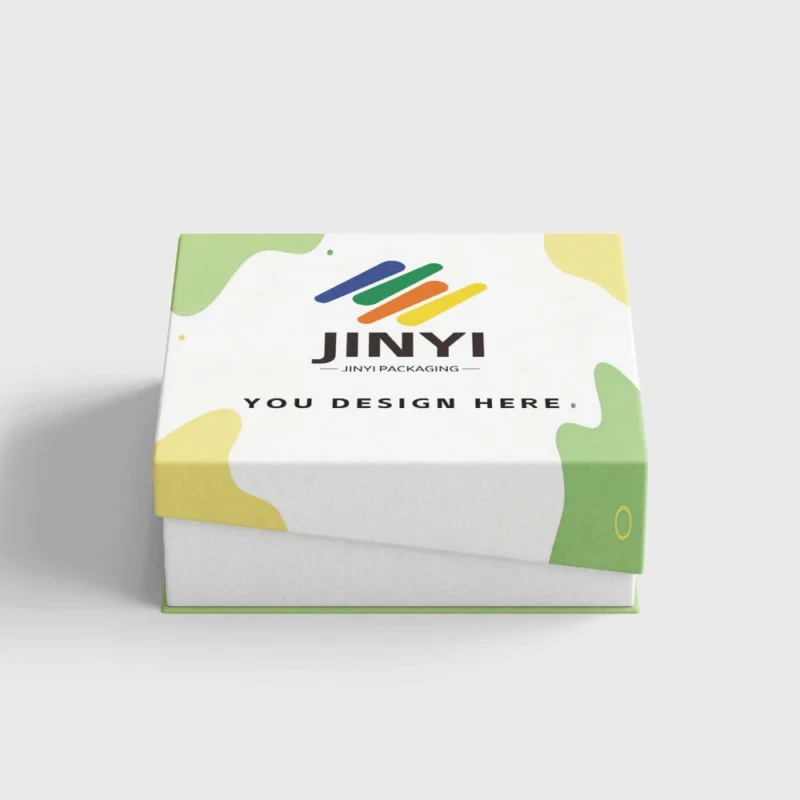
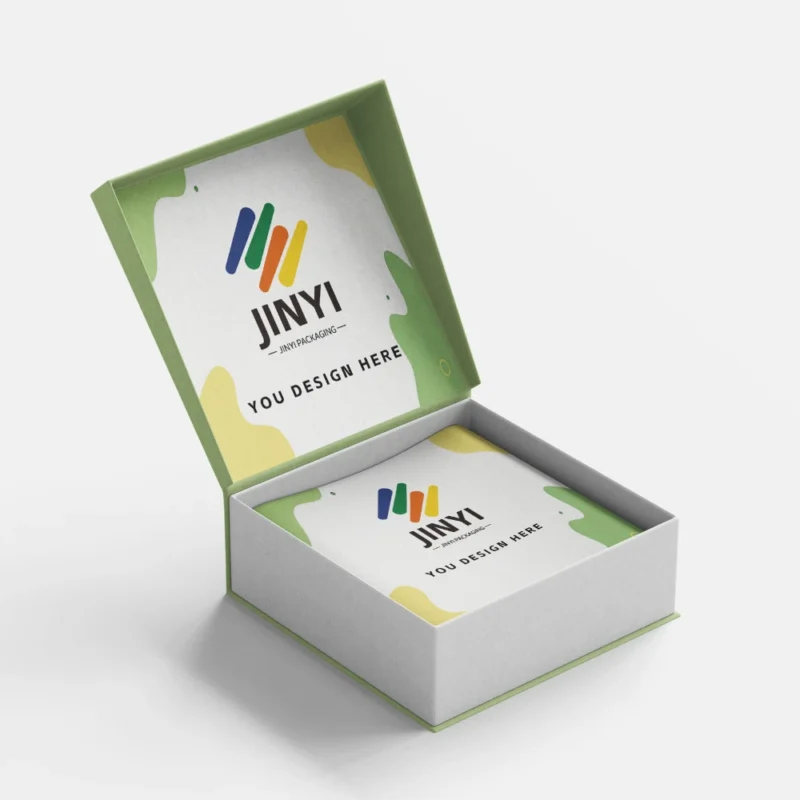
If a customer suspects “cheap,” “used,” or “fake” in the first seconds, the product must fight uphill to recover trust—and returns become easier than reassurance.
Unboxing trust breaks when packaging cues fail to match the customer’s expectation. Accessories are judged fast through visual order, touch feel, and tamper signals. Brands keep trust by making those cues verifiable, repeatable, and stable across batches.
See how packaging can protect “first-touch trust” for accessories—without overbuilding cost.

Customers rarely describe unboxing in engineering terms. Customers still judge it like an audit. Packaging is the first proof system a brand ships. When it looks aligned, feels controlled, and signals “untouched,” trust grows quietly.
What do customers judge in the first 3 seconds of unboxing?
Customers decide “premium or risky” before they inspect details. That snap decision shapes every later interpretation.
The first 3 seconds are a cue test, not a feature review. Customers read color, spacing, print sharpness, and structural alignment as signals of control and authenticity.
Accessories often carry higher emotional value than daily consumables. A customer expects a clean and intentional opening sequence. A loose lid, off-center logo, or soft corner crush can signal “low control,” even if the product is perfect. Customers also treat symmetry and neatness as risk reducers because they imply process discipline. A brand can translate “looks premium” into measurable targets. A team can define acceptable color shift, alignment tolerance, and scuff visibility under typical room lighting. A team can then compare designs with A/B tests that score “authentic feel,” “gift readiness,” and “confidence to keep.” A team should also separate “visual luxury” from “visual clutter.” A busy pattern can look expensive. A busy pattern can also hide damage and trigger suspicion. Customers usually trust what looks simple, stable, and deliberate.
| Customer cue |
What it signals |
What to measure |
| Alignment and spacing |
Process control |
Logo center offset, panel squareness |
| Print clarity |
Authenticity and effort |
Line sharpness, edge fuzz, bleed |
| Surface cleanliness |
New, not handled |
Dust count, fingerprint visibility score |
Evidence (Source + Year): Oliver, 1980. Orth & Malkewitz, 2008.
Why does “touch feel” judge value faster than product specs?
Customers do not need a spec sheet to feel friction, drag, or cheap coatings. Hands become the fastest reviewer.
Touch cues act like “quality proof” because they feel harder to fake. Weight, resistance, and surface slip turn into instant value judgments.
Touch influences trust because it reduces uncertainty. A rigid, smooth box can feel stable. A gritty laminate can feel inexpensive. A squeaky hinge can feel fragile. Customers also judge opening resistance. A lid that opens too easily can feel “previously opened.” A lid that sticks can feel “bad fit.” The best range is a controlled resistance band that feels intentional. A brand can quantify touch feel without becoming academic. A team can define a friction target for coatings, a “quiet close” target for magnets, and a safe range for opening force. A team can also manage hidden risk. Some linings feel soft. Some linings also shed fibers that stick to metal or plated surfaces. A team should test contact materials against common finishes and micro-scratch sensitivity. A team can run blind tests where users handle packaging without logos. Those tests often reveal which tactile cues actually drive “trust to keep” and which cues are only designer preferences.
| Tactile cue |
Customer interpretation |
Packaging control lever |
| Surface slip vs drag |
Silky vs cheap |
Coating choice, texture film, varnish |
| Opening resistance |
Untouched vs loose |
Lid fit, magnet strength, hinge tolerance |
| Lining contact feel |
Protection vs contamination |
Fiber shedding control, clean-room packing |
Evidence (Source + Year): Peck & Wiggins, 2006. Krishna, 2012.
Which small “quiet cues” trigger suspicion of being used or fake?
Most trust breaks do not look dramatic. Trust breaks look like small messes that suggest prior handling.
Customers treat tiny cues as risk signals because they change the story. A fingerprint can look like a return. A smell can look like poor storage.
Accessories are sensitive to “condition credibility.” Dust under a clear window can suggest shelf exposure. A perfume-like odor can suggest uncontrolled materials or storage. A faint scuff on an insert can suggest reuse. These cues drive negative attribution. Customers often jump from “packaging issue” to “brand issue” because packaging is the brand’s first physical proof. A brand can reduce this risk by designing “cleanliness bias” into the system. A team can choose materials that resist fingerprint visibility. A team can add protective slips where contact marks are common. A team can standardize pack-out steps so inserts do not rub against plated surfaces. A team can also build a “Trust-Break Map” from reviews. A team can cluster complaint keywords such as “used,” “fake,” “scratched,” and “smells.” A team can then link each cluster to a packaging failure mode and a verification test. That map turns emotion into an improvement plan.
| Quiet cue |
What customers suspect |
Packaging fix direction |
| Fingerprints / dust |
Opened or handled |
Anti-smudge surfaces, dust control steps |
| Off-odor |
Low-grade materials |
Material screening, ventilation window control |
| Insert rub marks |
Repacked return |
Contact-point redesign, protective sleeves |
Evidence (Source + Year): Oliver, 1980.
If your reviews mention “used,” “fake,” or “scratched,” packaging is often the fastest trust repair lever.
Why does structure matter more than thickness for accessory protection?
Thicker materials can still fail if the product moves. Movement turns small contacts into visible micro-damage.
Structure builds trust because it controls motion, not just strength. Inserts and headspace control reduce scuffs, plating wear, and metal-to-metal impacts.
Accessories rarely fail from pure compression. Accessories often fail from abrasion, impact between parts, and repeated vibration that “polishes” contact points into scuffs. A thick box does not prevent that if the product can slide or rotate. A good pack-out controls degrees of freedom. A tray should block sliding. A cavity should prevent rotation. A cover layer should prevent direct rubbing between hardware and surfaces. Headspace should be intentional. Too much headspace invites movement. Too little headspace can create pressure points and dent risk. A brand can write structure design like an engineering checklist. A team can define maximum allowed movement distance inside the cavity. A team can define contact surfaces and ensure they are soft, non-shedding, and non-staining. A team can also validate with simple tests that match real channels: vibration plus drop, followed by a scratch score and finish-change inspection. That approach reduces “random” damage complaints because the root cause is usually repeated micro-contact, not one big event.
| Risk |
What customers see |
Structure control |
| Metal-to-metal contact |
Micro-scratches |
Separators, sleeves, isolated compartments |
| Tray looseness |
Rattle sound |
Fit tuning, anti-shift locks |
| Excess headspace |
“Damaged in transit” |
Headspace targets, compression pads |
Evidence (Source + Year): Krishna, 2012.
How do tamper cues and “verification paths” prevent the fake/return story?
Customers often ask one question silently: “Can I trust that nobody touched this before me?”
Tamper cues work when they are readable and consistent. A weak seal can create the opposite effect and raise suspicion.
Accessories sit close to authenticity anxiety because the price-to-size ratio is high. Customers also know returns exist. That context makes packaging cues more important than brands expect. A verification path should be simple. A customer should see a clear tamper cue, a clear break pattern, and a clear location for “proof information.” Proof information can be a batch code, a serialized label, or a scannable reference that matches internal records. The system should avoid “too clever” solutions that create confusion. Customers do not want a puzzle. Customers want a fast answer. A team can test this with a 10-second rule. A team can ask users to find the tamper cue and proof point within 10 seconds. A team can measure whether trust scores rise after the user finds them. A team should also treat tamper cues as a design component with tolerance needs. If seals tear unpredictably, customers can interpret that as rework or poor QC. Consistency is the point.
| Trust element |
Customer question |
Design requirement |
| Tamper cue |
Was it opened? |
Clear placement, clear break pattern |
| Proof point |
Is it verifiable? |
Batch/serial logic, readable format |
| Consistency |
Is this normal? |
Same location and look every time |
Evidence (Source + Year): Orth & Malkewitz, 2008.
How can packaging teams deliver “unboxing consistency” at scale without overbuilding?
One great unboxing can convert. Inconsistent unboxing can destroy repeat purchase. Consistency needs a system.
Consistency converts forever because it reduces the customer’s effort to trust again. A scorecard turns “premium” into repeatable controls.
As a flexible packaging manufacturer, we focus on the controllable parts of unboxing consistency. We treat packaging as a delivery system for cues. We define a small set of measurable targets and tie them to process checks. A team can use an “Unboxing Consistency Scorecard” across batches. The scorecard can include appearance alignment, print clarity, surface cleanliness, opening feel, insert stability, and tamper cue readability. A team can also set a “variance budget.” The team can decide what level of color shift, scuff visibility, or opening force drift is acceptable. A team can then sample across production and shipping simulation. If variance rises, the team can adjust structure, material, or pack-out steps instead of adding more thickness. That approach avoids cost inflation. That approach also avoids over-spec choices that slow packing. The goal is a stable customer story: untouched, controlled, protected, and consistent. When customers see the same cues every time, they stop re-evaluating the brand and they start repeating the purchase.
| Scorecard item |
Target outcome |
Quick check |
| Alignment + print |
Authentic, intentional |
Visual tolerance sample set |
| Touch + opening feel |
Premium control |
Opening force band check |
| Insert stability |
No rattle, no rub |
Shake test + scratch inspection |
| Tamper cue clarity |
Untouched proof |
10-second find test |
Evidence (Source + Year): Oliver, 1980.
Conclusion
Accessory trust is built by repeatable cues. Visual order sets expectation. Touch and structure verify protection. Clear tamper paths reduce suspicion. Consistency makes customers return.
FAQ
- Why do accessories get more “fake/used” suspicion than many other products?
Accessories have high value density, frequent returns, and strong authenticity anxiety, so small packaging cues carry more weight.
- What is the most common packaging-driven reason for “scratched” complaints?
Uncontrolled movement and contact points inside the box often create micro-abrasion during vibration and handling.
- How can a brand test “premium feel” without expensive research?
Blind handling tests and a simple scorecard for friction, opening resistance, and cleanliness can reveal the strongest cues.
- Does thicker material automatically improve trust?
Thickness can help, but motion control and clean verification cues usually matter more for trust and returns.
- What should be standardized first to improve repeat purchase?
Alignment, opening feel, insert stability, and tamper cue placement should be stable across batches before adding extra materials.
About Jinyi
Brand: Jinyi
Slogan: From Film to Finished—Done Right.
Website: https://jinyipackage.com/
Our Mission:
JINYI is a source manufacturer specializing in custom flexible packaging solutions. We aim to deliver packaging that is reliable, easy to execute, and ready for real operations, so brands can reduce communication cost and receive stable quality, clear lead times, and structures that fit the product and print goals.
Who We Are:
JINYI is a source manufacturer specializing in custom flexible packaging solutions, with over 15 years of production experience serving food, snack, pet food, and daily consumer brands.
We operate a standardized manufacturing facility equipped with multiple gravure printing lines as well as advanced HP digital printing systems, allowing us to support both stable large-volume orders and flexible short runs with consistent quality.
From material selection to finished pouches, we focus on process control, repeatability, and real-world performance. Our goal is to help brands reduce communication costs, achieve predictable quality, and ensure packaging performs reliably on shelf, in transit, and at end use.