Small label choices can trigger big losses. Poor fit creates wrinkles and scuffs. Then reviews drop. I fix it by matching container, channel, and line reality first.
360° shrink sleeves beat pressure-sensitive labels when you need full-body graphics on curved or tapered containers, and you can control shrink distortion and durability. Pressure-sensitive labels win when you need speed, clean operations, stable barcodes, and fast SKU changeovers. I decide with four checks: container geometry, channel stress, line capability, and end-of-life claims.

I treat labeling as a system. I start with the container shape and how shoppers see it. Then I check production speed and real handling. Only then do I choose shrink sleeves or pressure-sensitive labels.
What are shrink sleeves and pressure-sensitive labels in real production?
Brands call both “labels.” That sounds simple. But the wrong assumption creates rework. Then you lose time, waste film, and miss launches.
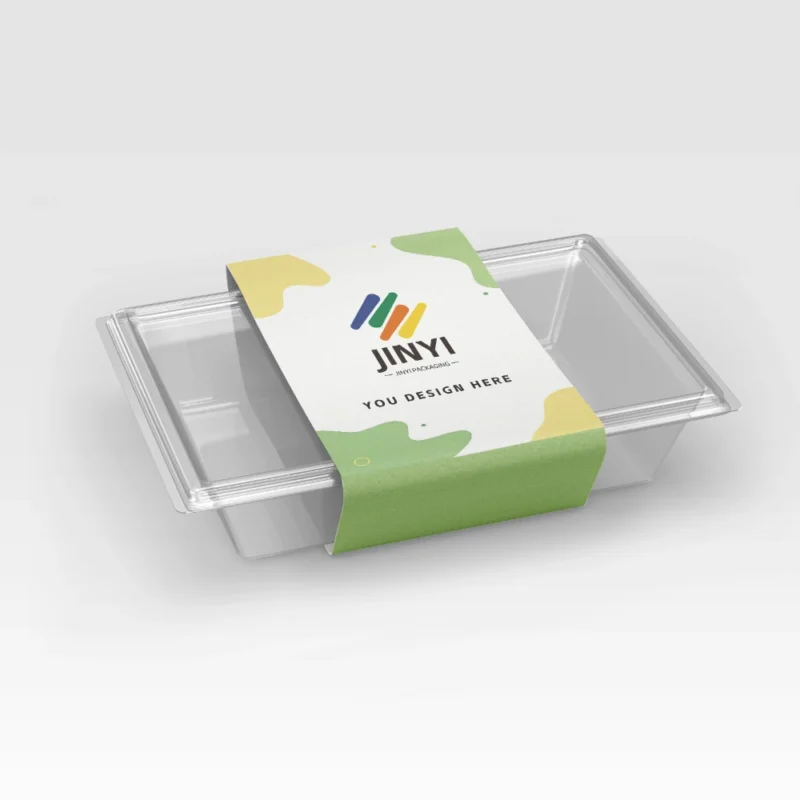
Shrink sleeves wrap the container and shrink with heat for 360° coverage. Pressure-sensitive labels (PSL) stick with adhesive on a defined panel. The “best” option depends on fit, line speed, and what must stay readable.
How I define them for decision-making
I define a shrink sleeve by shrink behavior, seam placement, and distortion zones. I define a PSL by adhesive performance, edge lift risk, and placement tolerance. I also define both by what happens after filling: condensation, abrasion, and compression in cases. Many brands compare only unit price. I compare total loss risk. If a sleeve distorts a barcode, scanners fail and you get chargebacks. If a PSL lifts in a cooler, the product looks dirty and gets rejected. I also check operator reality. Sleeves add a shrink step. PSL adds label application and adhesive control. Both can be stable when the system is designed. Both fail when someone treats them as “just artwork.”
| Item |
Shrink Sleeve |
PSL |
My First Check |
| Coverage |
360° wrap |
Partial panel |
Is full-body story needed? |
| Main risk |
Distortion / scuff |
Edge lift / bubbles |
What will customers notice first? |
| Line impact |
Shrink tunnel/steam |
Label applicator + adhesive |
What equipment is stable? |
When does 360° shrink sleeve branding outperform PSL?
Some containers fight flat labels. Curves and tapers create wrinkles. Then your “premium” pack looks cheap. That hurts shelf conversion.
Shrink sleeves win when the container is curved, tapered, or highly contoured, and when 360° shelf impact matters more than a simple information panel. I still design around distortion and seams.
Where sleeves create real value
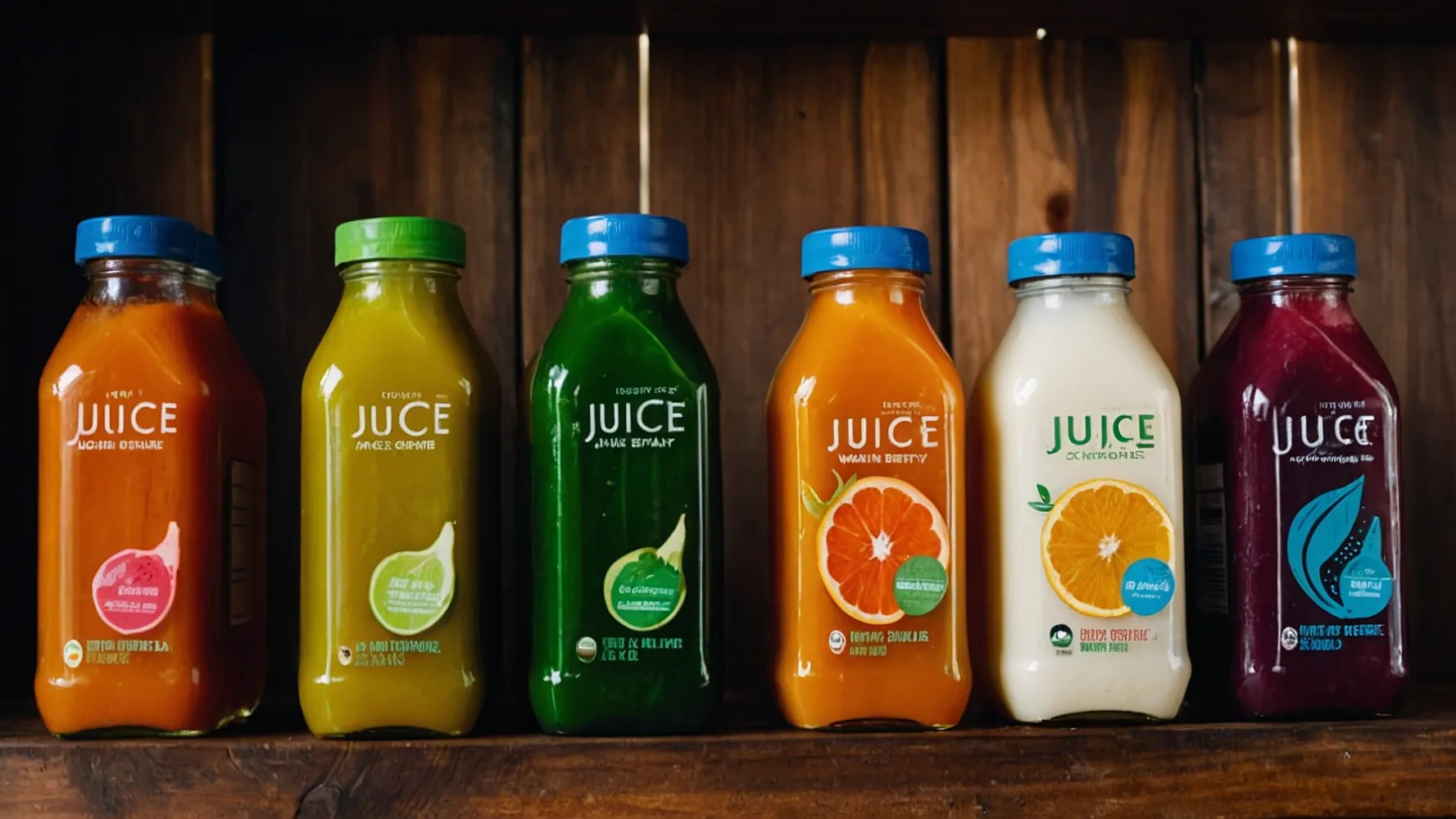
I recommend sleeves when the shape is a marketing asset. A waist bottle, a tapered cup, and a shaped can all benefit from full-body coverage. A sleeve can also hide embossing, seams, and color variation in resin or glass. That makes the pack look cleaner in photos and under strong retail lights. I also use sleeves when a brand wants a family look across sizes. With PSL, different panel sizes can break visual consistency. With sleeves, I can maintain the same storytelling wrap. Still, I do not “free place” critical information. I keep barcodes and legal text in low-distortion zones. I keep key claims away from seams and high-fold areas. If the brand cannot control this, a sleeve becomes a liability.
| Use case |
Why sleeve helps |
Watch-out |
My fix |
| Tapered bottle |
Fits curves better |
Text distortion |
Lock readability zones |
| Premium RTD can |
High shelf impact |
Scuff in cases |
Choose durable topcoat |
| Shaped cup |
Full-body branding |
Seam placement |
Hide seam off-front |
When do pressure-sensitive labels outperform shrink sleeves?
Brands often chase 360° because it looks exciting. But complexity adds failure points. Then line stops rise and scrap climbs.
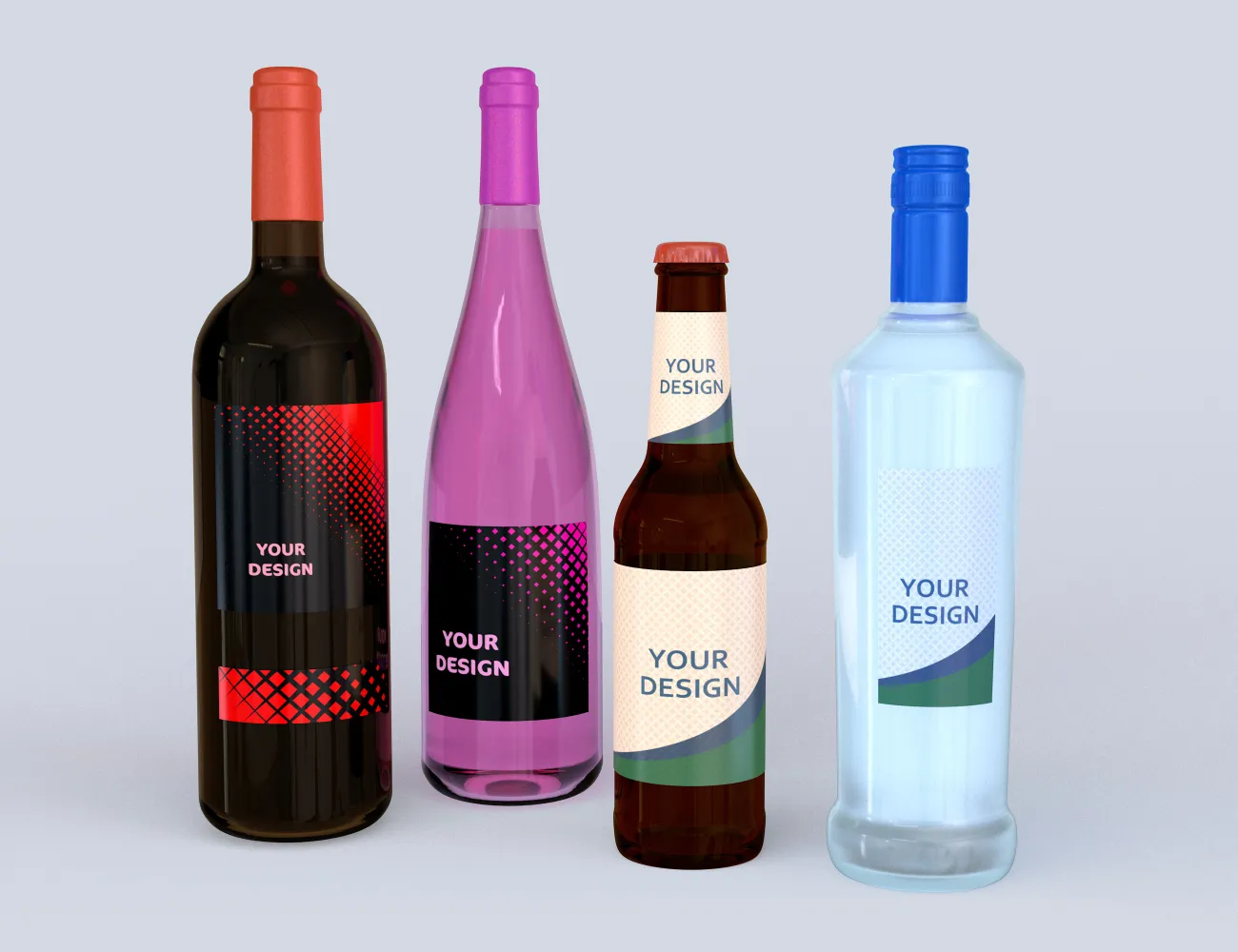
PSL wins when you need high-speed application, frequent SKU changeovers, clean operations, and stable readability. It also wins on standard round containers where a flat label sits smoothly.

Why PSL can be the “most controllable” option
I like PSL when a brand values production rhythm. A good applicator can run fast and stop less. This matters in the U.S. and EU, where labor and downtime are expensive. PSL also gives a stable barcode panel because there is no shrink distortion. This helps retail scanning and e-commerce fulfillment. PSL is also easier for short runs and seasonal variants if the supply chain is set up well. Still, PSL is not “automatic success.” Cold-chain products stress adhesives. Condensation and wet hands can cause edge lift. I solve this by matching adhesive type to surface energy and temperature. I also design label edges and varnish to reduce scuff and peeling. For many brands, PSL is the cleanest path to consistent delivery.
| Need |
Why PSL fits |
Risk |
My control |
| High-speed line |
Fast application |
Misplacement |
Tolerance + sensors |
| Cold chain |
Stable panel |
Edge lift |
Adhesive + wet test |
| Barcode clarity |
No shrink distortion |
Scuff |
Coat + rub tests |
How do I prevent distortion, durability, and “green claim” failures before launch?
Many label projects look perfect on a desk. Then shipping and coolers expose flaws. That creates returns and brand damage.
I prevent failures with three validations: shrink/placement mapping, real-use durability tests, and claim reality checks. I finalize the label only after these pass on the actual container and route.
My shortlist method and test checklist
I start with a container map. For sleeves, I mark high-shrink zones, seam locations, and fold stress points. I place key text and barcodes in safe zones. For PSL, I confirm label panel curvature and placement tolerance so the applicator can hit the target every time. Then I test like the market. I run condensation exposure for cold drinks. I run abrasion and scuff tests for retail cases. I run compression checks for delivery routes. I also test scanning after wear, not only on day one. Finally, I check sustainability claims. In the U.S. and EU, “recyclable” depends on local systems and label guidance. I avoid vague language. I prefer verifiable statements and clear disposal instructions. This keeps brands safe and keeps customers confident.
| Risk |
What causes it |
Test |
My decision |
| Unreadable text |
Sleeve distortion |
On-container shrink map |
Move text to safe zone |
| Bad appearance |
Scuff / rub |
Case rub + wet handling |
Upgrade topcoat |
| Returns |
Edge lift / seam issues |
Cold + compression |
Change adhesive or seam plan |
| Claim backlash |
System mismatch |
Labeling rules review |
Use verifiable wording |
Conclusion
I choose sleeves for curved storytelling and PSL for controllable speed. I validate distortion, durability, and claim reality before I scale.
FAQ
- Do shrink sleeves always look more premium?
No. Sleeves look premium only when distortion, seams, and scuff resistance are controlled on the real container.
- Why do pressure-sensitive labels lift in coolers?
Condensation, low surface energy, and the wrong adhesive can cause edge lift. I always test cold and wet handling.
- Where should I place barcodes on a shrink sleeve?
I place them in low-distortion zones and away from seams and high-fold areas, then I scan after shrink and abrasion.
- Which option is better for many SKUs?
PSL often wins for fast changeovers. Sleeves can work, but they need a stable shrink setup and tighter artwork rules.
- How do I compare total cost fairly?
I compare cost per 10,000 units including scrap, line stops, changeover time, and rework, not only label unit price.
My Role
About Me
Brand: Jinyi
Tagline: From Film to Finished—Done Right.
Website: https://jinyipackage.com/
My mission: I deliver reliable, usable packaging that scales. I help brands reduce back-and-forth, improve consistency, and choose structures and printing that perform in real channels.
What I do: I support brands with flexible packaging, labels, and related packaging solutions. I focus on sampling discipline, production controls, and repeatable quality so reorders stay stable.
About the Decision Maker (Quillon)
Quillon is a packaging and supply chain lead with around 10 years of experience. Quillon manages multiple SKUs, timelines, and suppliers. Quillon values clear specs, stable production, and documents that stand up in U.S. and EU channels. When I work with Quillon, I ask about the container, channel, and line first. Then I provide 2–3 options with risks, test checks, and a clear path to scale.