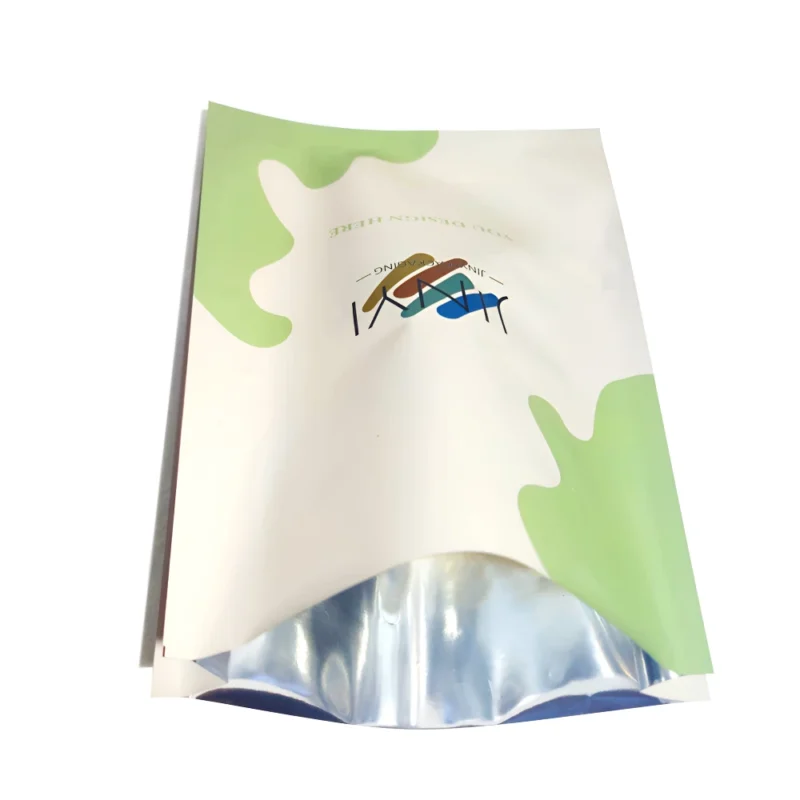
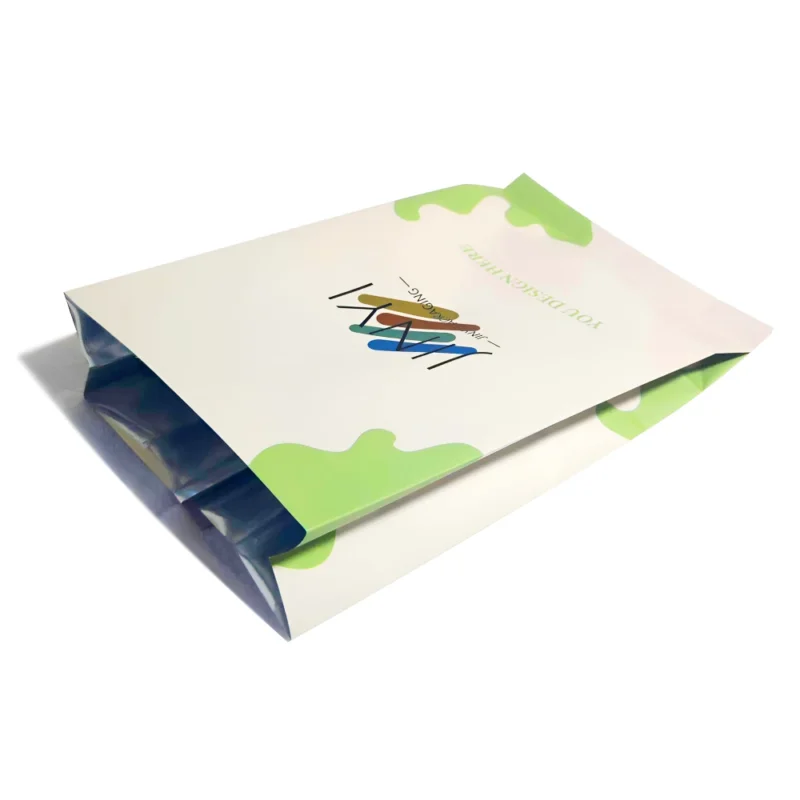
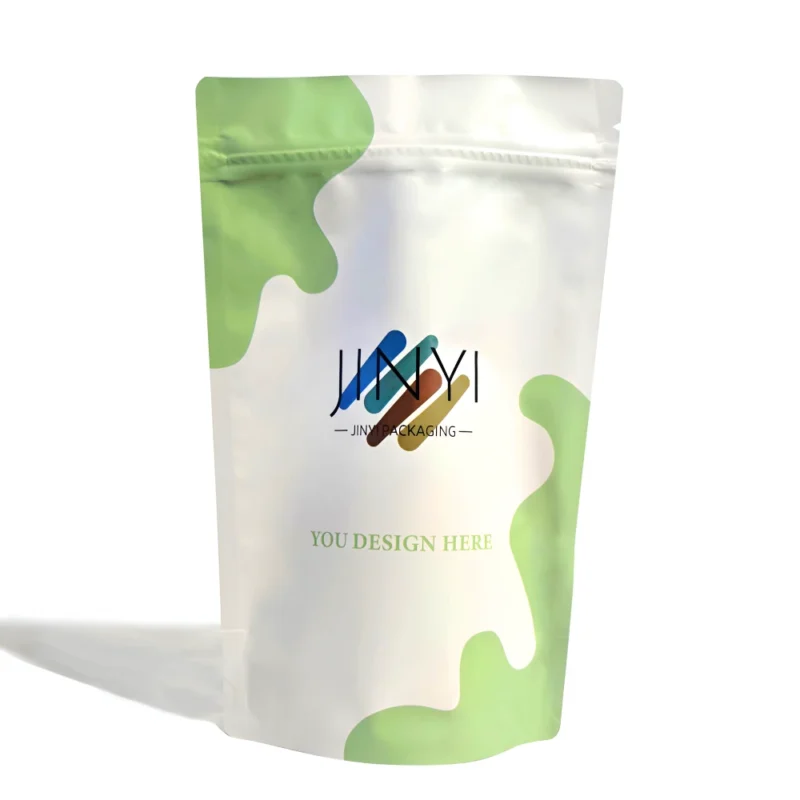
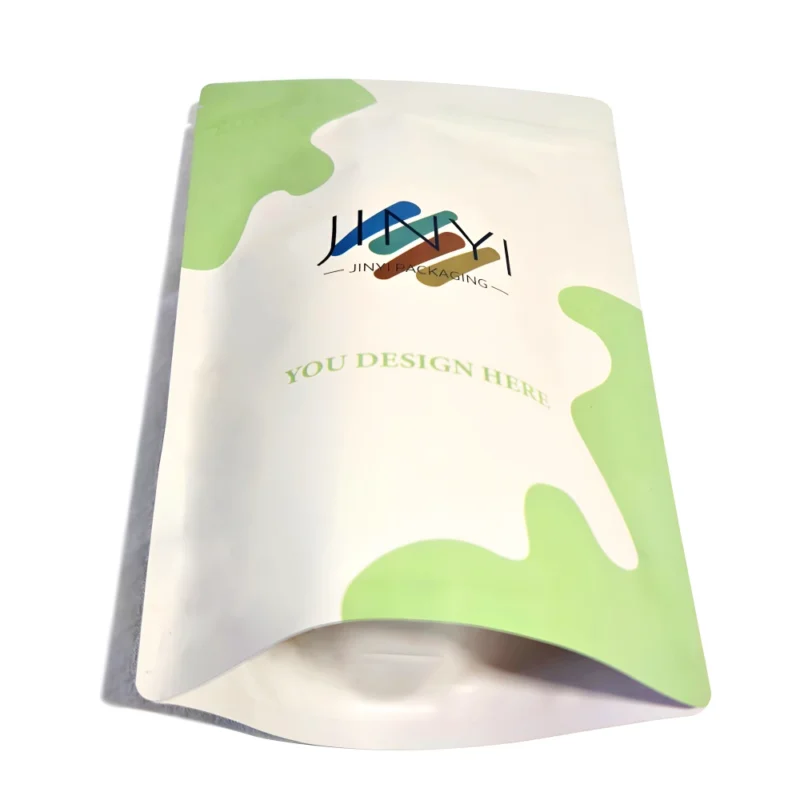
Crunchy one week, leathery the next—and customers blame the treat. The real culprits are usually humidity and oxygen, amplified by the wrong package and a few invisible leaks.
The shelf-life difference between freeze-dried treats and jerky is mostly a two-driver problem: water activity (aw) controls texture stability under humidity, and oxygen exposure controls rancidity and odor loss over time. Packaging cannot change the product’s internal physics, but it can control moisture flux, oxygen budget, and leak probability.

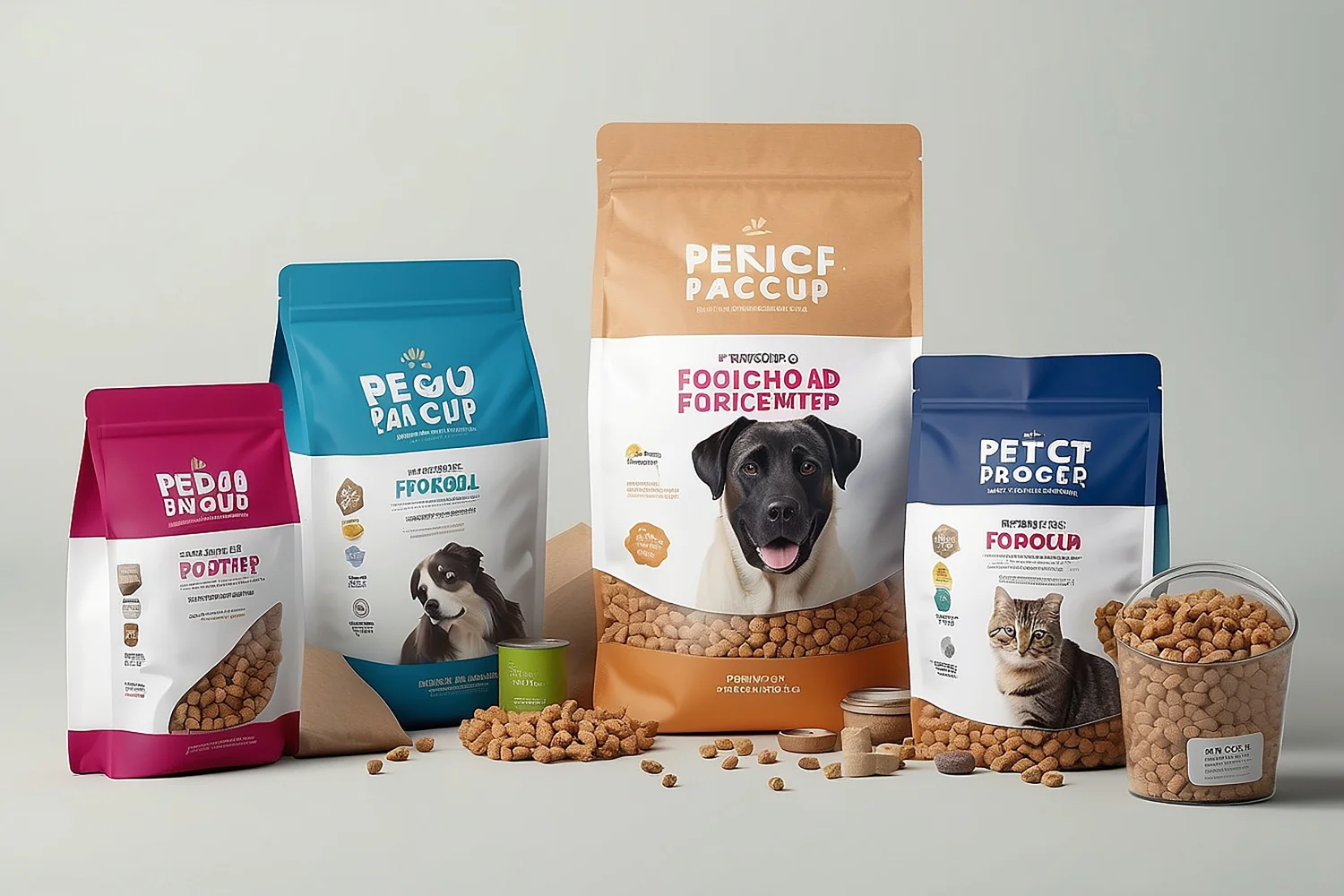
To reduce “soft,” “stale,” and “not as smelly” complaints, buyers should stop debating material names and start matching the format to the real channel timeline. If you want a packaging system built around shelf-risk control, see pet food & treats packaging options here.
Why do freeze-dried treats and jerky soften differently under the same humidity?
When humidity enters the pack, texture does not drift slowly forever. Many treats stay “fine” until moisture pushes them across a state boundary, and then they flip fast.
Freeze-dried treats often start at very low aw and have a highly porous structure. That structure can absorb moisture quickly, so crispness can collapse into leathery softness. Jerky usually starts at higher aw than freeze-dried treats, so it can be less “crisp-sensitive,” but it can drift into “too soft” chew and may approach shelf-stability boundaries if aw rises too far.
The practical way to manage this is to map complaints to aw direction and exposure timing. Buyers can treat the channel as a humidity timeline: receiving → storage → retail → home. Freeze-dried usually fails as an “aw drift amplifier” because porosity and surface area accelerate moisture uptake when the package lets humidity in. Jerky usually fails as an “aw drift tolerance” problem because texture and safety margins can tighten when aw climbs. A buyer-ready approach is to run a simple RH matrix at a fixed temperature (for example, 35/50/65/75% RH) and record aw trend, texture score, and time-to-fail. That turns “it went soft” into a measurable threshold.
| Product |
Common humidity-driven complaint |
Likely aw direction |
Packaging priority |
| Freeze-dried treats |
Crisp → leathery/soft, surface tack |
aw gain |
Lower WVTR + low leak probability |
| Jerky |
Too soft, sticky surface, “not chewy like before” |
aw gain (often) or uneven aw |
WVTR control + seal contamination control |
Evidence (Source + Year):
Katz & Labuza (1981) linked crispness loss to water activity thresholds and moisture uptake behavior.
Slade & Levine (1991) discussed why stability often follows state/transition behavior rather than linear change.
Why can “dry” treats still go rancid and lose odor on shelf?
Many buyers assume low moisture automatically protects flavor. That assumption breaks fast when oxygen management is weak and the product has exposed fats and high surface area.
Oxygen failure often shows up before texture failure. Customers describe it as “it does not smell as strong” or “it smells old.” Freeze-dried treats can be especially exposed because porous structure increases surface area, and oxygen can access fat surfaces easily unless the oxygen budget is controlled. Jerky can also oxidize, especially when fat is present and storage is warm, but the sensory complaint is often framed as odor loss or rancid notes rather than an obvious visual defect.
A practical shelf model needs two curves. Curve A tracks oxidation: headspace oxygen plus ongoing oxygen ingress (through film OTR and leaks) drives chemical markers such as peroxide value, anisidine value, or volatile aldehydes like hexanal. Curve B tracks odor retention: volatile flavor compounds can be lost by volatilization or absorbed into packaging polymers, and oxidation can change what remains. Buyers do not need a lab to start acting. They can request a structured sniff scoring sheet at defined time points, and they can align that with packaging oxygen controls and temperature exposure. “Dry” is not the finish line. Oxygen budgeting is often the first-line defense for odor and palatability stability.

Evidence (Source + Year):
Nelson (1992) reviewed how lipid oxidation rates vary with water activity and why low aw does not guarantee oxidation stability.
van Willige (2002) discussed aroma scalping, where flavor compounds are absorbed by plastic packaging materials.
What can packaging actually control: WVTR, OTR, and leak probability?
Packaging wins when it controls external variables reliably. Packaging fails when the film looks “high barrier” on paper but the seal path leaks in real handling.
Packaging can control three things that matter most for this comparison. First, it can control moisture flux through WVTR, which slows aw drift and delays texture flip. Second, it can control oxygen budget through film OTR, headspace management, and optional oxygen scavenging strategies. Third, it can reduce leak probability by using a robust seal system and a wide seal window that holds under process variation. Seal leaks are the short-circuit that destroys both moisture and oxygen plans. One micro-channel near the top seal can dominate performance more than a big film upgrade, because the flow path is faster than diffusion through the web.
As a flexible packaging manufacturer, we focus on system stability first: barrier targets that match shelf days, and seal integrity that stays reliable even with powders, crumbs, or minor oil contact. If you want the package to behave consistently across real handling, start from a “proof pack” mindset rather than a material-name debate.
| Control lever |
What it reduces |
Most sensitive format |
Common failure if ignored |
| WVTR (moisture barrier) |
aw drift under humidity |
Freeze-dried |
Fast softening / leathery texture |
| OTR + headspace oxygen plan |
Oxidation and odor loss |
Both (often earlier for freeze-dried) |
Stale odor / rancid notes |
| Seal integrity (leak probability) |
Short-circuit exchange paths |
Both |
Bag-to-bag inconsistency |
Evidence (Source + Year):
ASTM F1249 (latest revision) describes WVTR measurement for plastic film and sheeting.
ASTM F2096 (latest revision) describes bubble emission testing for detecting gross leaks in packages.
What “minimum proof pack” should buyers request to prevent real complaints?
Buyers do not need perfect academic data. Buyers need a small evidence set that predicts “soft,” “stale,” and “not as aromatic” outcomes before a full run.
A minimum proof pack should connect the dominant failure modes to measurable checks. For moisture, request WVTR aligned to shelf days and the humidity class of the channel, plus an accelerated humidity hold that tracks aw trend, weight change, and a simple texture score. For oxygen, request an oxygen control plan that includes film OTR, headspace approach, and how seal integrity is protected against contamination. For leaks, request screening and localization focused on seals, corners, and gussets. If the brand expects multi-serve use, buyers should add an open-close abuse test and define how closure contamination is handled.
For jerky-style products, buyers should also make sure the shelf-stable control approach is understood in the same language as regulators and food safety plans. That does not mean packaging “solves” shelf stability, but it means packaging should not undermine the validated product controls by allowing unexpected moisture or oxygen exchange through leaks. The proof pack is the bridge between product science and packaging reality, and it is the fastest way to stop repeating the same complaint cycle.
Evidence (Source + Year):
USDA FSIS Compliance Guideline for Shelf Stable Meat and Poultry Products (latest revision) discusses shelf-stability control variables, including water activity and related validation concepts.
ASTM F88/F88M (latest revision) describes seal strength testing for flexible barrier materials.
How should buyers decide: freeze-dried or jerky, and what packaging emphasis follows?
Most decisions fail because they pick a format first and ask packaging to “make it work.” The safer sequence is to pick the dominant shelf risk and then select the package system.
Freeze-dried treats usually win when brands need ultra-lightweight, crispy texture and premium positioning. They also tend to fail first when humidity and oxygen controls are weak, because porosity amplifies exchange. Jerky usually wins when brands need chew resilience and less instant crispness flip, but it often needs stronger oxygen control for fat-driven rancidity and odor drift, and it still needs aw stability to avoid “too soft” drift over time. Buyers can turn this into a matrix that uses only channel facts: shelf days, humidity exposure, heat exposure, fat level, and open-close behavior. That matrix should then set packaging emphasis: WVTR dominance for crisp formats, oxygen budget dominance for fatty or aroma-sensitive systems, and seal robustness dominance for all formats when handling variance is real.
| Scenario |
Format risk tends to dominate |
Packaging emphasis |
| High humidity exposure + long shelf days |
Freeze-dried softening |
Lower WVTR + leak control |
| Higher fat level + warm storage risk |
Odor loss / rancidity |
Lower OTR + headspace plan + leak control |
| Rough handling + vibration + drops |
Pinhole/leak inconsistency |
Seal robustness + damage resistance + screening |
Evidence (Source + Year):
Nelson (1992) summarized aw–oxidation behavior and why oxygen control remains critical in low-moisture systems.
ASTM F2096 (latest revision) supports the “tiny defect dominates performance” logic via standardized leak detection.
What is the one-sentence takeaway buyers should use internally?
Most teams solve the wrong problem first. The fix is to name the dominant risk and match the package system to it.
Freeze-dried treats often fail first on humidity and oxygen exposure because porosity amplifies exchange, while jerky often fails first on oxygen-driven odor/rancidity and aw drift—so packaging must match the dominant risk on the real channel timeline.
Conclusion
Freeze-dried vs jerky is not a style choice. It is an aw-and-oxygen risk choice, and packaging should control WVTR, oxygen budget, and leak probability to keep shelf outcomes predictable.
Talk to us about pet treats packaging
FAQ
- Do freeze-dried treats always need higher barrier packaging? Freeze-dried treats usually need tighter humidity and oxygen control because porosity increases exposure, but the correct barrier level depends on shelf days and the channel humidity profile.
- Why do some bags in the same lot stay crunchy while others go soft? Bag-to-bag variance often points to seal leaks or localized damage, which can short-circuit barrier performance.
- Is “dry” the same as “safe from rancidity”? No. Low moisture does not prevent oxygen-driven oxidation, especially when fats are exposed and storage is warm.
- What is the fastest test to confirm a leak problem? A gross leak screen can quickly answer whether exchange paths exist before a team spends time debating film structures.
- What should a buyer request before scaling a new package? A minimum proof pack should include WVTR, an oxygen control plan, seal strength distribution, leak screening, and accelerated storage tied to complaint endpoints.
About Us
Brand: Jinyi
Slogan: From Film to Finished—Done Right.
Website: https://jinyipackage.com/
Our Mission:
JINYI is a source manufacturer specializing in custom flexible packaging solutions. We want to deliver packaging that is reliable, practical, and ready to run, so brands can reduce communication cost and get predictable quality, clear lead times, and structures that match real use.
Who We Are:
JINYI is a source manufacturer specializing in custom flexible packaging solutions, with over 15 years of production experience serving food, snack, pet food, and daily consumer brands.
We operate a standardized manufacturing facility equipped with multiple gravure printing lines as well as advanced HP digital printing systems, allowing us to support both stable large-volume orders and flexible short runs with consistent quality.
From material selection to finished pouches, we focus on process control, repeatability, and real-world performance. Our goal is to help brands reduce communication costs, achieve predictable quality, and ensure packaging performs reliably on shelf, in transit, and at end use.