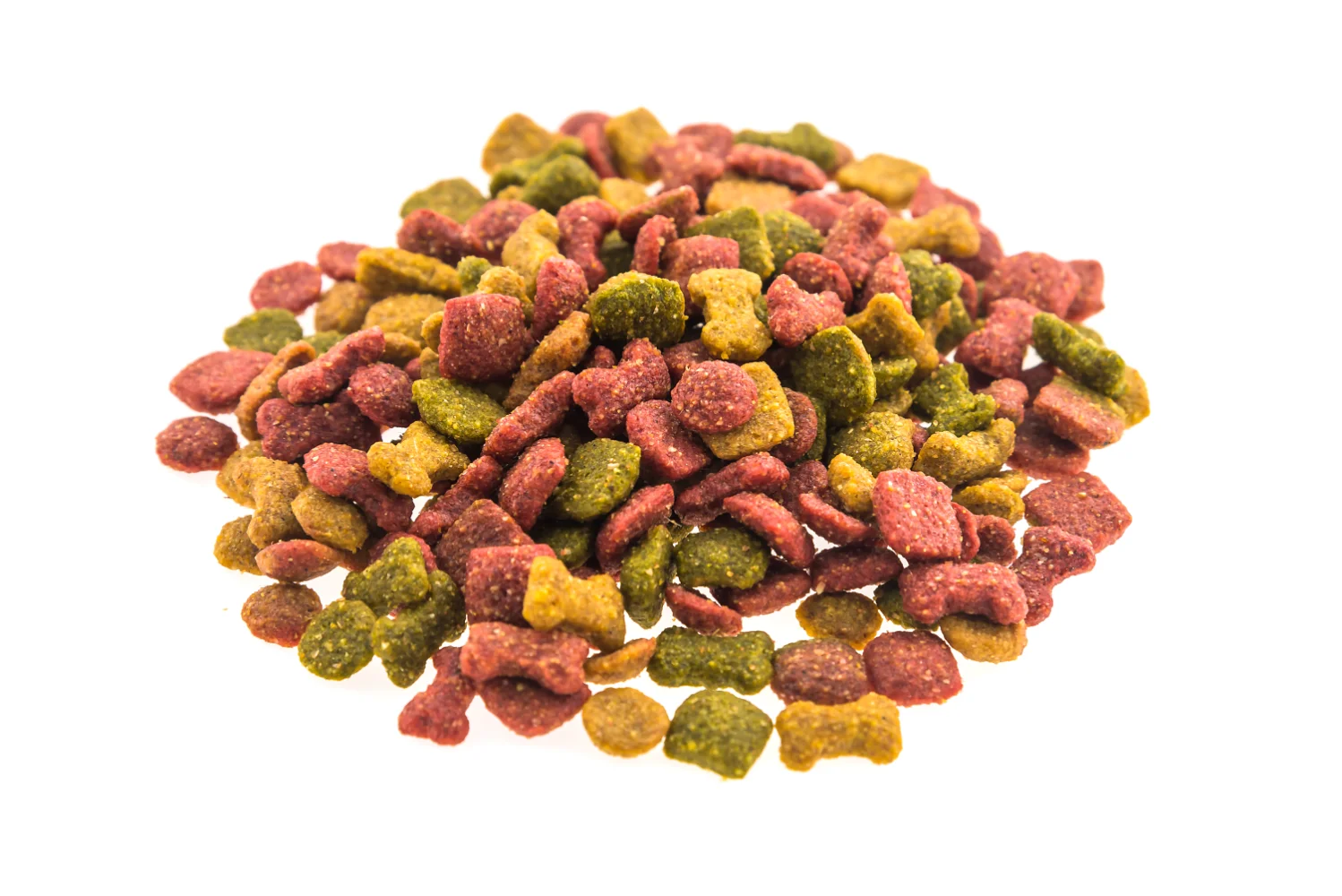
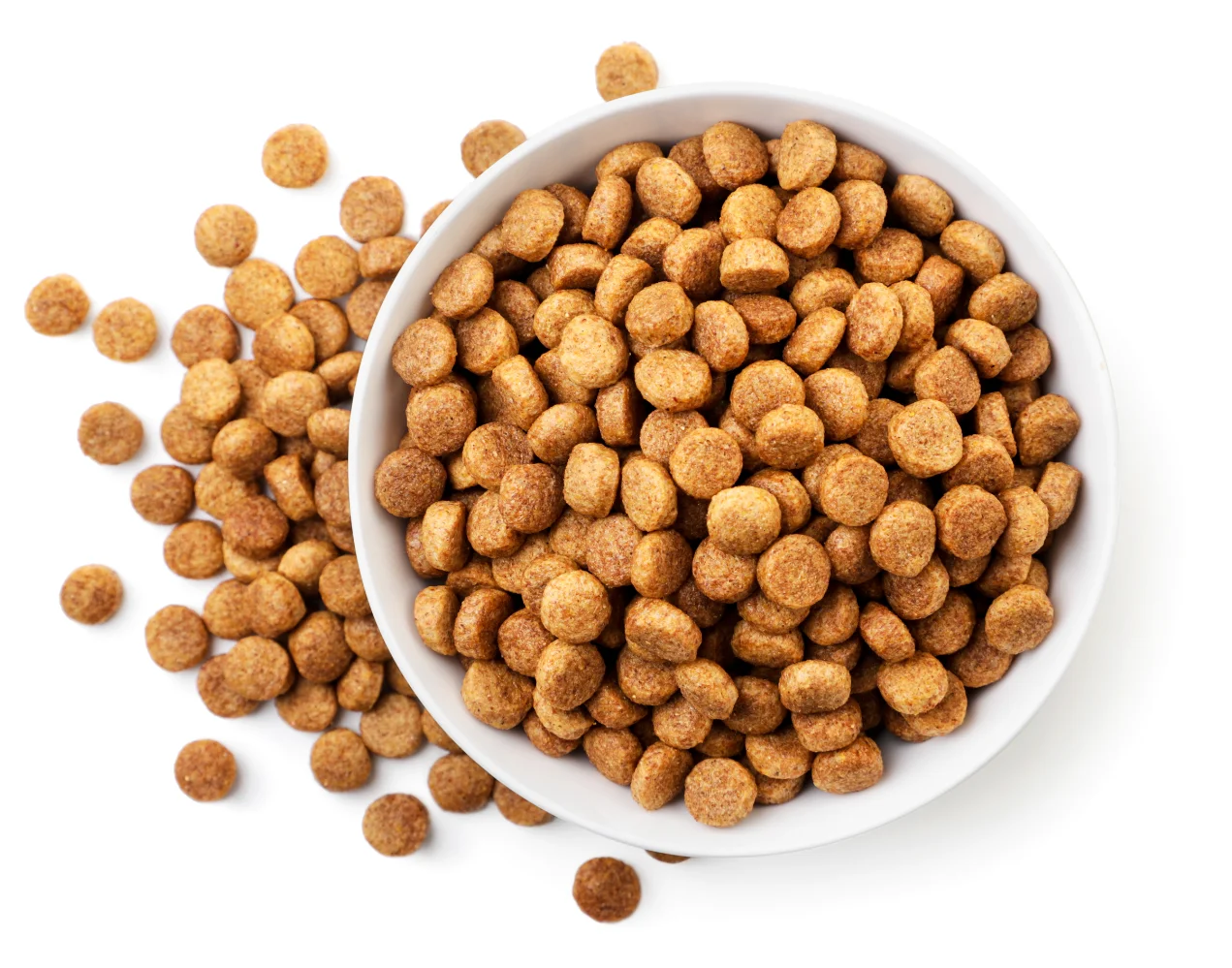
Kibble looks fine at packing, then shows grease spots, weak aroma, and “stale” complaints on shelf. That drift is expensive, and it often repeats in the same places.
Kibble bags usually fail as a system: surface grease spreads, tiny pinholes or seal leaks “short-circuit” barrier, and oxygen exposure accelerates odor loss and rancidity. Cafés do not sell kibble, but buyers still win the same way—by controlling moisture/oxygen paths and proving seal integrity, not by guessing film names.
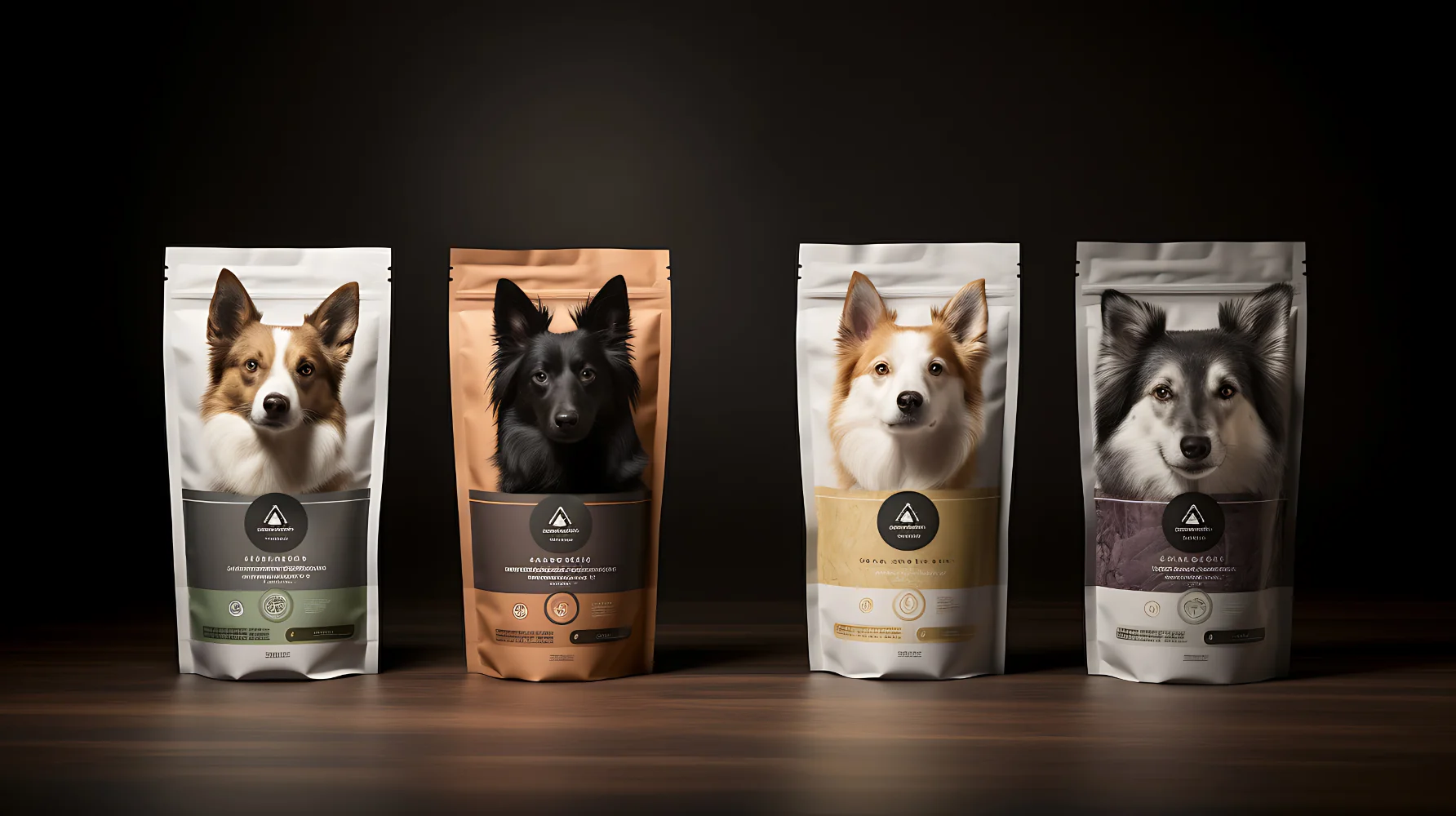
See practical pet food packaging controls and pouch options here

On retail shelves, the “bag problem” is rarely one defect. It is usually a chain reaction. The fastest way to reduce complaints is to map the failure path, then validate the weak link with simple, repeatable tests.
Why do kibble bags look greasy, and why does that matter for seals?
Grease spots often look cosmetic, so teams treat them as a print or storage issue. The bigger risk is that grease changes the sealing reality and the oxygen reality at the same time.
Grease migration becomes a shelf problem when oil films reach seal areas, folds, or gusset corners. Oil and fines can create micro-channels that seals cannot close reliably. That turns a “high barrier” pouch into a pouch with an easy entry path. Grease can also change how aromas behave near the film surface, which makes odor fade feel sudden. Buyers should treat grease as a pathway signal: where oil can travel, oxygen and odor exchange can also become less controlled. A practical way to diagnose this is to map where grease appears first (panel center, top seal zone, bottom gusset), then connect it to handling heat and pressure points in the channel. The goal is not perfection. The goal is predictability: if grease spread is predictable, sealing controls and pack-out rules can be designed around it.
Grease Path Map (what to observe first)
| What buyers see |
Likely grease path |
Why it matters |
Fast check |
| Grease near top seal |
Oil/fines reach seal area |
Higher leak/channel risk |
Seal inspection + leak screen |
| Grease at gusset corners |
Pressure + folding drives oil |
Corner micro-leaks |
Corner-focused leak screen |
| Grease uniform on panels |
General oil mobility |
Odor drift feels “global” |
Compare hot vs cool storage lots |
Evidence (Source + Year): Frankel, “Lipid Oxidation” (2005) describes oxidation pathways that link oxygen exposure to rancid odor development. Reineccius, “Flavor Chemistry and Technology” (2006) discusses mechanisms of flavor loss and perception changes over time.
Are pinholes the hidden reason some bags go stale faster?
Pinholes are common because kibble is hard, angular, and abrasive under vibration and compression. The tricky part is that pinholes can be invisible.
A pinhole is not only a hole. It is a short-circuit path that can dominate the package’s exchange rate. Film WVTR/OTR describes steady diffusion through the material, which is slow and predictable. A pinhole or seal channel can move the system into a much faster exchange mode, so shelf life becomes inconsistent. This is why teams see “some bags are fine, some smell flat” inside the same lot. Buyers should also watch where soft failures begin. If odor fade and staling start near corners or folds, mechanical damage is a primary suspect. If failures cluster near the top seal, process variance or contamination is more likely. A simple, repeatable plan is to treat pinholes like a probability problem. The question is not “did we get a pinhole,” but “what is the pinhole rate under our real compression, vibration, and drop profile?”
Damage-to-Leak Map (how location changes the diagnosis)
| Failure location |
Most likely driver |
What buyers notice |
Fix direction |
| Corners / fold lines |
Handling + abrasion |
Odor drops early, “random” |
Improve puncture/flex durability + pack-out control |
| Top seal zone |
Seal contamination or drift |
Same SKU, uneven shelf life |
Widen seal window + reduce contamination |
| Panel center |
Impact or sharp inclusions |
Occasional fast staling |
Review case pack, drop risk, and film toughness |

Evidence (Source + Year): ASTM F2096 (Standard Test Method for Detecting Gross Leaks in Packaging by Internal Pressurization, Bubble Emission) is widely used as a fast “is it leaking” screen. ASTM F88/F88M (Seal Strength of Flexible Barrier Materials) is a common method to quantify seal strength and compare seal consistency.
Why does odor fade, and how is it tied to oxidation and packaging exchange?
When customers say “it smells less fresh,” teams often blame formula changes. On shelf, odor fade is more often a packaging exchange story plus an oxidation story.
Odor loss typically comes from two overlapping mechanisms. First, oxygen ingress accelerates lipid oxidation, which creates off-notes that overpower the original aroma. Second, volatile aroma compounds can be lost over time through the package system, either by gradual release or by interaction with packaging surfaces. These two curves can move at different speeds. A bag can keep a decent “fresh aroma” early, then feel like it collapses after a threshold, because oxidation products rise while desirable volatiles fall. This is why buyers should define odor outcomes in measurable terms. A simple plan is to pair one chemistry indicator (such as peroxide value or a volatile oxidation marker like hexanal) with a structured odor scorecard used by the same people every time. That converts “it smells weaker” into a trackable drift line. It also helps separate oxidation-driven problems from leak-driven problems. Leak-driven odor collapse is often fast and inconsistent. Oxidation-driven drift is often slower and more repeatable across the lot.
Two-Curve Odor Model (what to track)
| Curve |
What drives it |
What it looks like on shelf |
What to measure |
| Curve A: Oxygen exposure |
Leaks/OTR × time |
Rancid notes, faster staling |
PV/AV or oxidation marker trend |
| Curve B: Aroma retention |
Volatile loss / interaction |
“Less smell,” flatter profile |
Structured odor score over time |
Evidence (Source + Year): Frankel, “Lipid Oxidation” (2005) explains how oxygen exposure drives formation of rancid odor compounds in fats and oils. Reineccius, “Flavor Chemistry and Technology” (2006) summarizes mechanisms of flavor loss and how volatile perception can change during storage.
What proof should buyers ask for to prevent repeat shelf failures?
Material talk gets emotional fast. Proof talk stays productive. Buyers can reduce repeats by asking for a small “evidence pack” that matches the complaint.
As a flexible packaging manufacturer, we focus on controlling the two exchange paths that most often decide shelf outcomes: steady transmission through film and short-circuit exchange through seals, corners, and damage points. Buyers can ask for proof that both paths are controlled under realistic variance, not only under perfect lab settings. A minimal request should include a leak screen focused on seals and corners, seal strength with a distribution view (not one number), and an accelerated storage check that ties to the channel profile. This is also where a supplier should explain how grease contamination is managed at sealing, because grease-driven channel leaks are common in real lines. If a brand wants a fast start, the simplest move is to align packaging selection with an evidence checklist instead of a “foil vs not foil” debate.
Get a buyer-ready “proof pack” template for pet food pouches here
Minimum Proof Pack (buyer-ready)
| Proof item |
What it prevents |
What “good” looks like |
Common standard |
| Leak screening (seals/corners) |
Short-circuit odor collapse |
Low leak rate, defects localized |
ASTM F2096 |
| Seal strength distribution |
Lot-to-lot inconsistency |
Tight spread, stable minimum |
ASTM F88/F88M |
| Seal window mapping |
Process drift failures |
Robust window, not a razor-thin setting |
ASTM F2029 |
| Moisture barrier confirmation |
Texture drift under humidity |
WVTR aligns to channel duration |
ASTM F1249 |
| Accelerated storage + odor/oxidation endpoints |
Surprise shelf complaints |
Odor remains acceptable through target weeks |
Buyer-defined protocol |
Evidence (Source + Year): Katz & Labuza (1981) links crispness and texture stability to moisture uptake behavior and critical water activity concepts, which helps explain why barrier and leaks matter. Slade & Levine (1991) frames food stability through state transitions (including glass transition), supporting the “threshold” nature of texture and quality flips.

Conclusion
Kibble bag failures usually stack: grease increases seal risk, pinholes short-circuit exchange, and oxygen-driven oxidation flattens odor. The best fix is evidence-led validation, not thicker film guesses.
Talk to JINYI about a pet food pouch proof plan
FAQ
Is grease staining always a packaging defect?
Grease staining can be normal oil mobility, but it becomes a packaging risk when it reaches seal zones or corners and increases leak probability. The location pattern matters more than the look.
Why do some bags in the same lot go stale faster?
That pattern often points to short-circuit exchange: pinholes, corner micro-damage, or seal channels. Film barrier is consistent, but leaks are not.
Which test gives the fastest truth on leaks?
A gross leak screen that targets seals and corners is usually the fastest first step. It answers “is there a leak path” before teams debate materials.
How can buyers validate odor retention without expensive lab work?
Buyers can pair one oxidation indicator trend with a structured odor scorecard used consistently over time. That converts “smells weaker” into a measurable drift line.
Does higher barrier film guarantee better shelf life?
No. A high barrier film can still fail if the seal system is unstable or contamination creates channel leaks. Seals often decide the real outcome.
About Me
Brand: Jinyi
Slogan: From Film to Finished—Done Right.
Website: https://jinyipackage.com/
Our Mission:
JINYI is a source factory specializing in flexible packaging. My goal is to deliver reliable, practical, and implementable packaging solutions to brands, allowing clients to achieve more stable quality, clearer delivery times, and packaging structures and printing effects that better match their products, all with less communication effort.
About us:
JINYI is a source manufacturer specializing in custom flexible packaging solutions, with over 15 years of production experience serving food, snack, pet food, and daily consumer brands.
We operate a standardized manufacturing facility equipped with multiple gravure printing lines as well as advanced HP digital printing systems, allowing us to support both stable large-volume orders and flexible short runs with consistent quality.
From material selection to finished pouches, we focus on process control, repeatability, and real-world performance. Our goal is to help brands reduce communication costs, achieve predictable quality, and ensure packaging performs reliably on shelf, in transit, and at end use.