If your crunchy treats keep turning soft, customers blame “stale product.” The real culprit is usually moisture, and it can flip texture faster than most teams expect.
Soft treats are usually a moisture-gain + texture-state shift problem, not a “bad batch” story. Humidity pushes water into low-moisture treats, water activity (aw) rises, and crunch collapses after a threshold. Packaging performance is a system outcome: ambient RH exposure × time × WVTR × seal/leak probability.

For brands, the money loss is not only texture complaints. It is trust loss, higher shrink, and inconsistent receiving decisions. Learn how packaging specs can protect crunch under real humidity exposure.
Why does humidity kill crunch so fast?
When a treat looks fine at packing but turns soft on shelf, the failure can feel random. It is often a threshold event, not a gradual decline.
Humidity kills crunch because water acts like a plasticizer. Once aw crosses a critical region, structure shifts from crisp and glassy to leathery and soft, and the change can be abrupt.
Most crunchy treats are designed to stay in a low-moisture “glassy” texture state. When ambient RH is high, moisture enters the product and raises aw. In low-moisture porous matrices (baked biscuits, puffed treats, crunchy jerky-style textures), small moisture gains can trigger a large drop in rigidity. This is why customers often report “it suddenly went soft,” and why teams sometimes chase packaging thickness instead of the real control variables. A buyer-ready way to describe this is a “Crunch Loss Model”: RH exposure over time drives moisture uptake, moisture uptake drives aw shift, and the aw shift drives a texture-state transition. The practical outcome is that brands need a measurable threshold: a treat-specific aw band where crunch stays acceptable. When the channel pushes aw beyond that band, the complaint rate jumps.
How a brand can make the threshold visible
| What to vary |
What to measure |
What it tells the buyer |
| 3–5 RH points at fixed temperature |
aw trend + texture score + time-to-fail |
Where “acceptable” flips to “soft” |
| Same RH, different exposure time |
Crunch retention curve |
How many shelf days the product can afford |
Evidence (Source + Year): Katz & Labuza (1981) links crispness loss to water activity thresholds and moisture uptake behavior. Slade & Levine (1991) explains stability using state/transition concepts beyond aw alone.
Is WVTR the real problem—or are seal leaks “short-circuiting” the barrier?
Many teams upgrade film and still see soft treats. That usually means the moisture pathway is not the film. It is the seals.
WVTR is the slow moisture budget through film. Seal leaks are the fast path. If leaks exist, they can dominate moisture entry and create “some bags soft, some fine” variance.
WVTR describes steady, diffusion-based water vapor flow through the package wall. It is a predictable contribution that can be budgeted against shelf days and RH. Seal leaks, pinholes, and channel leaks are different. They create a short path for exchange that can overwhelm the film’s contribution. That is why buyers often see patterns that look like “random quality,” even when the film is consistent. In practice, treats make seals harder because crumbs, powders, and fat residues can create micro-channels or weak seals. A useful diagnostic is a Complaint-to-Path Map. If softening starts near corners, gussets, or top seals, the most likely cause is a leak path, not WVTR. If the entire bag softens uniformly, WVTR and long RH exposure become more likely. If bag-to-bag variance is high inside one lot, process drift and a narrow seal window are often the hidden driver.
Complaint-to-Path Map for fast triage
| What buyers see |
Most likely path |
Fast check |
| Soft near seal/corners first |
Seal channel leak / contamination |
Gross leak screen + seal inspection |
| Uniform softening across the bag |
WVTR too high or RH exposure too long |
RH storage + mass gain/aw trend |
| Random bag-to-bag variance |
Seal window too narrow / process drift |
Seal strength distribution + process logs |
Evidence (Source + Year): ASTM F1249 standardizes WVTR measurement for flexible materials. ASTM F2096 standardizes bubble emission testing for gross leaks in flexible packages.
Which formats fail differently: flow wrap, stand-up pouches, or resealable packs?
Choosing a format is not a style preference. It changes how many seals exist, how abuse shows up, and how after-opening behavior affects shelf life.
Flow wrap adds seal lines. Stand-up pouches add corners and gussets. Resealable packs add user behavior. The best format is the one that stays sealed across real handling and real opening patterns.
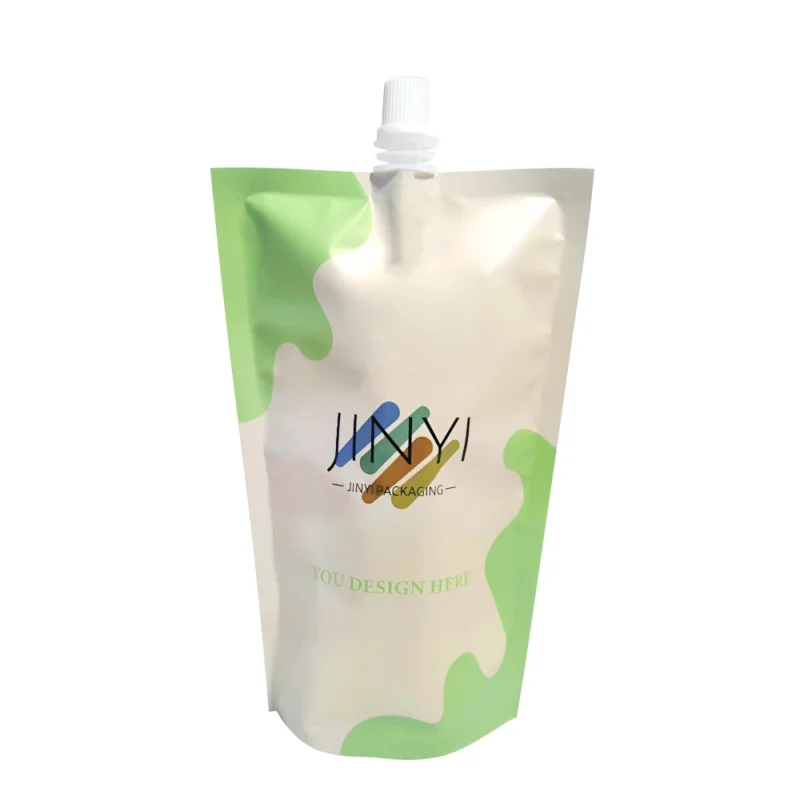
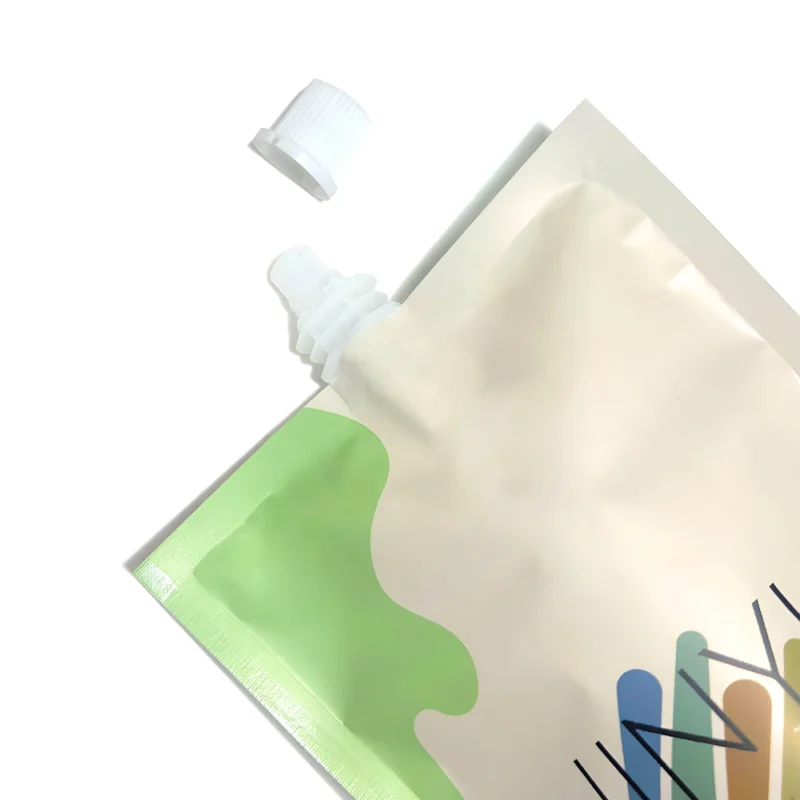
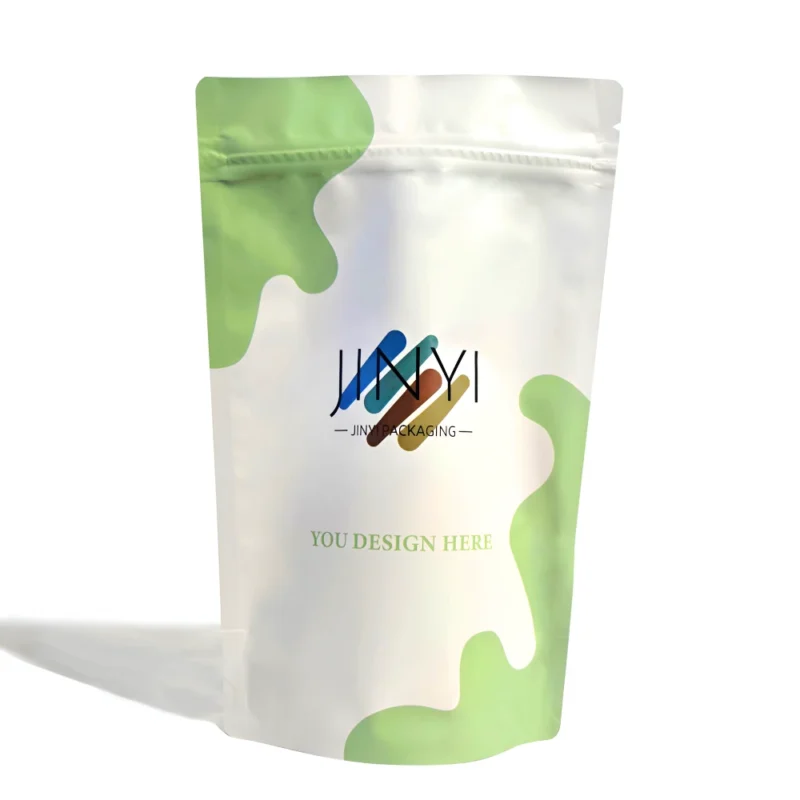
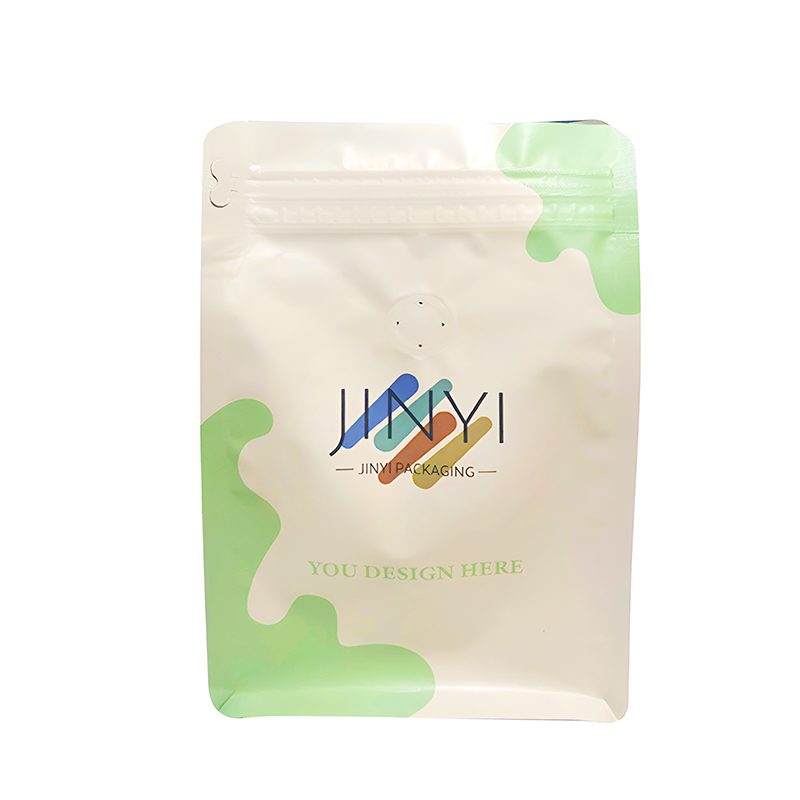
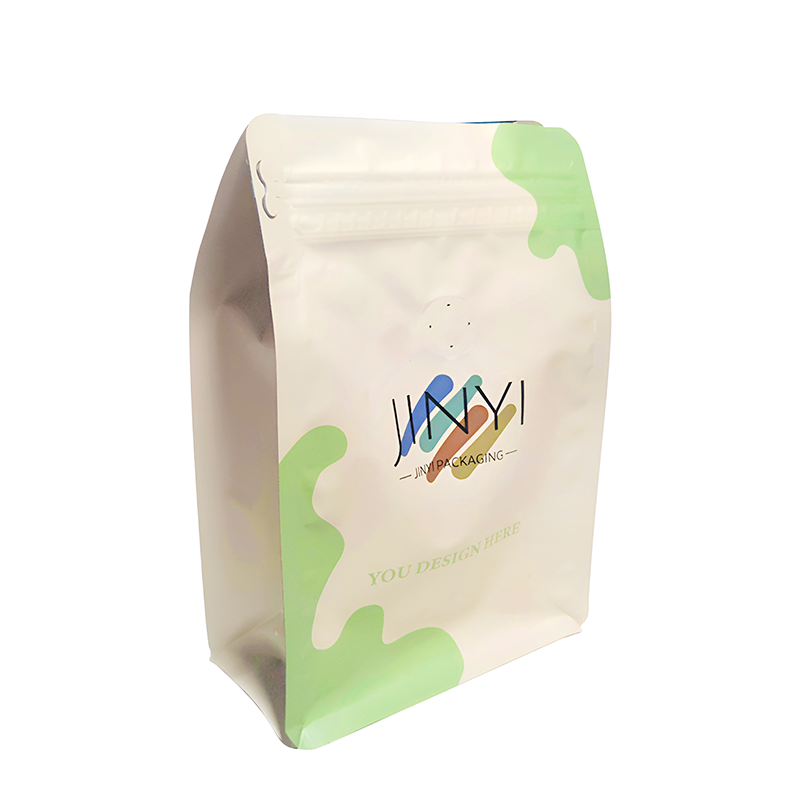
Flow wrap (HFFS) can be cost-efficient and high-speed, but it creates multiple seal lines and more geometry risk. Stand-up pouches can improve merchandising and case efficiency, but gussets and corners can become leak-sensitive if sealing conditions drift. Resealable systems introduce a second shelf-life chapter: after opening, the zipper or closure becomes the dominant moisture interface, and crumbs or oils can prevent full closure. Buyers often assume a resealable pack automatically protects crunch after opening, but that is only true if reseal reality is validated. As a flexible packaging manufacturer, we focus on matching the package to the use pattern first. A training-treat pack that opens 10–20 times behaves differently from a single-serve treat pack. That is why a simple “open-close abuse test” is often more predictive than a longer lab storage test. The most practical approach is to define the use-case (single-serve vs multi-serve) and then test closure performance under crumb contamination, because that is how customers actually use the pack.
Format decision rules tied to the buyer’s real use
| Format |
Dominant moisture risk |
Validation focus |
| Flow wrap (HFFS) |
More seal lines = more leak geometry |
Leak screen focused on seals and end corners |
| Stand-up pouch |
Gusset/corner leak sensitivity |
Seal window robustness + corner integrity |
| Resealable pack |
After-opening closure becomes main path |
Open-close cycles + crumb contamination |
Evidence (Source + Year): ASTM F88/F88M standardizes seal strength testing for flexible materials. ASTM F2096 supports fast leak screening when seal defects dominate shelf outcomes.
See packaging options and validation ideas for crunchy pet treats in humid channels.
What is the minimum validation plan that predicts real “go soft” complaints?
Most brands do not need academic testing. They need a repeatable proof pack that predicts the complaint patterns buyers actually see.
The simplest buyer-ready proof pack is WVTR + seal robustness + leak screening + humidity storage with texture endpoints. If resealable, add open-close cycling.
A buyer-ready validation plan should follow the failure story. If the complaint is “goes soft,” the validation must include texture endpoints and moisture pathway checks. A minimum proof pack usually includes: WVTR to set the film moisture budget, seal robustness to prove sealing variance is under control, gross leak screening to catch short-circuit paths, and accelerated humidity storage tied to the real channel. The endpoints should be practical: aw trend, mass gain, texture metric (break force or a simple crispness score), and the percent of packages failing. If the product is multi-serve, the plan should add open-close cycles plus a crumb contamination condition, because that is often where real-world performance collapses. As a flexible packaging manufacturer, we focus on lowering channel variability first. When packaging reduces external humidity noise and seals remain consistent, the product’s internal “crunch clock” becomes slower and more predictable.
Failure map table to keep troubleshooting fast
| Failure |
Likely cause |
What buyers see |
What to test |
Fix direction |
| Soft near seal first |
Seal channel / contamination |
Localized soft zone |
F2096 + seal inspection |
Widen seal window, improve clean sealing |
| Uniform softening |
WVTR too high or long RH exposure |
Whole bag loses crunch |
WVTR + RH storage + aw trend |
Upgrade moisture barrier or add secondary packaging |
| Random bag variance |
Process drift |
Some crisp, some soft |
Seal strength distribution + process logs |
Stabilize parameters, improve sealant robustness |
| After-opening softens fast |
Reseal reality fails |
Day 1 ok, day 3 soft |
Open-close cycling + crumb contamination |
Improve closure, consider portion packs |
Evidence (Source + Year): ASTM F1249 (WVTR), ASTM F88/F88M (seal strength), and ASTM F2096 (gross leak detection) form a practical verification toolkit. Katz & Labuza (1981) supports using aw-linked endpoints to predict crispness loss.
Conclusion
Pet treats usually go soft because humidity pushes aw past a crunch-loss threshold, and seal leaks can accelerate moisture entry. Use WVTR as the budget, and prove seals and closures stay reliable.
Talk to Jinyi about a crunch-protect packaging spec
FAQ
- Can thicker film alone stop treats from going soft? Thicker film can help, but WVTR and seal integrity matter more than thickness alone, especially in humid channels.
- How can a buyer tell if it is WVTR or a seal leak? Localized softening near seals/corners suggests leaks; uniform softening suggests WVTR or long RH exposure.
- Do resealable zippers protect crunch after opening? Only if reseal behavior is validated. Crumbs and oils can prevent full closure and become the main moisture path.
- What is the minimum proof a supplier should provide? WVTR (F1249), seal strength distribution (F88/F88M), gross leak screening (F2096), and humidity storage with texture endpoints.
- What should brands track to reduce complaints? Complaint timing, storage humidity hotspots, and whether failures start near seals versus across the whole pack.
About Us
Brand: Jinyi
Slogan: From Film to Finished—Done Right.
Website: https://jinyipackage.com/
Our Mission:
JINYI is a source manufacturer specializing in custom flexible packaging solutions. We aim to deliver reliable, practical packaging systems that help brands reduce communication costs, achieve predictable quality, and match structure and printing to real use conditions.
Who We Are:
JINYI is a source manufacturer specializing in custom flexible packaging solutions, with over 15 years of production experience serving food, snack, pet food, and daily consumer brands.
We operate a standardized manufacturing facility equipped with multiple gravure printing lines as well as advanced HP digital printing systems, allowing us to support both stable large-volume orders and flexible short runs with consistent quality.
From material selection to finished pouches, we focus on process control, repeatability, and real-world performance. Our goal is to help brands reduce communication costs, achieve predictable quality, and ensure packaging performs reliably on shelf, in transit, and at end use.