
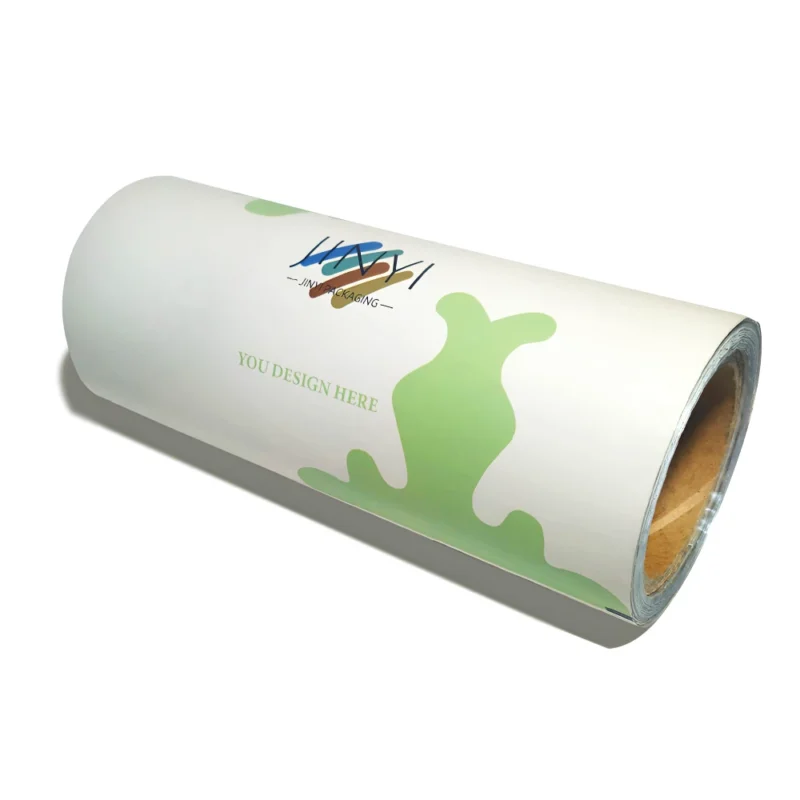
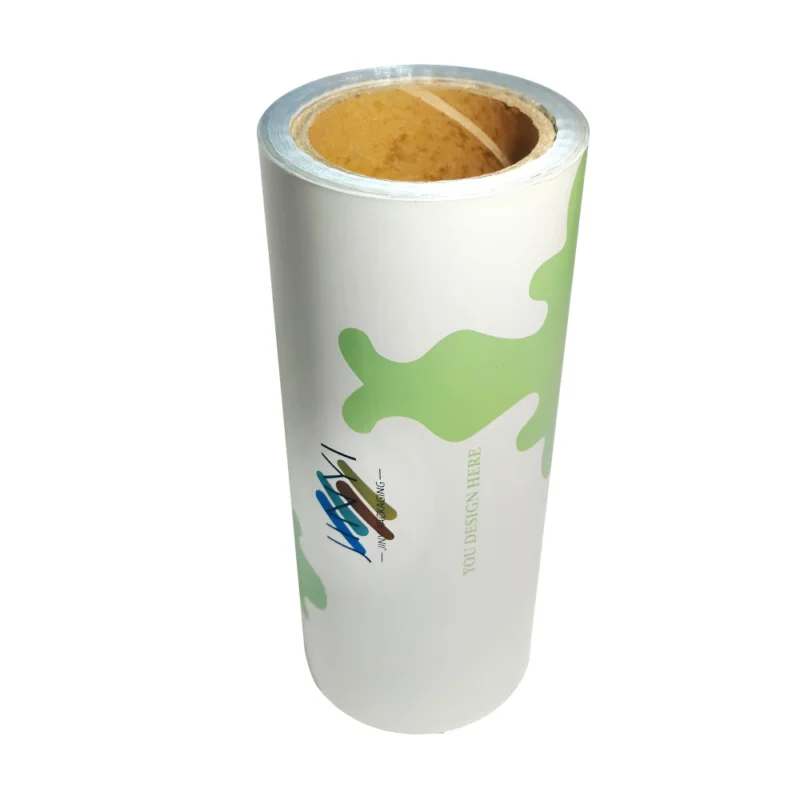
Flexible Packaging Films
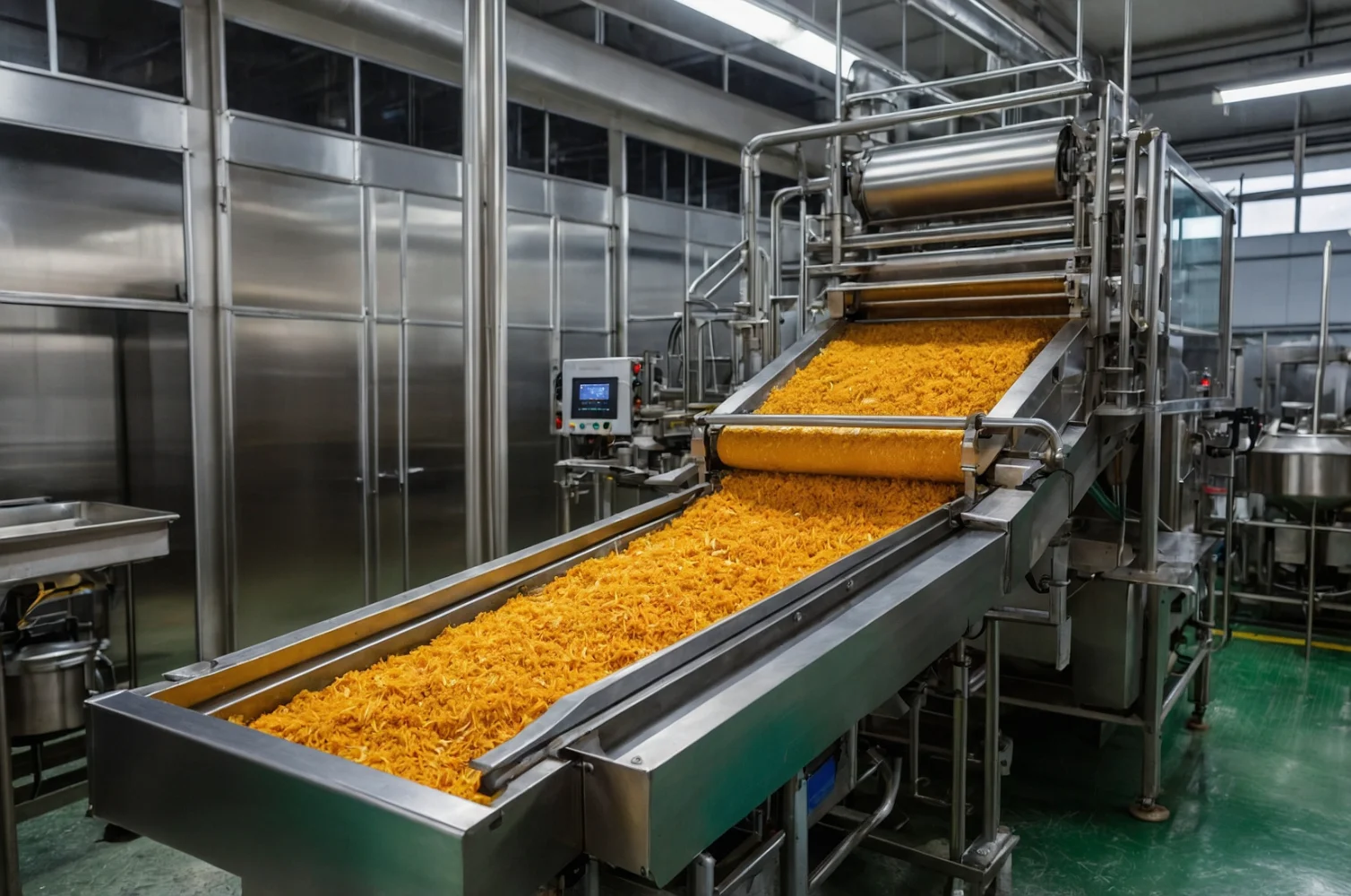
High-performance rollstock built for speed, consistency, and scalable packaging production.
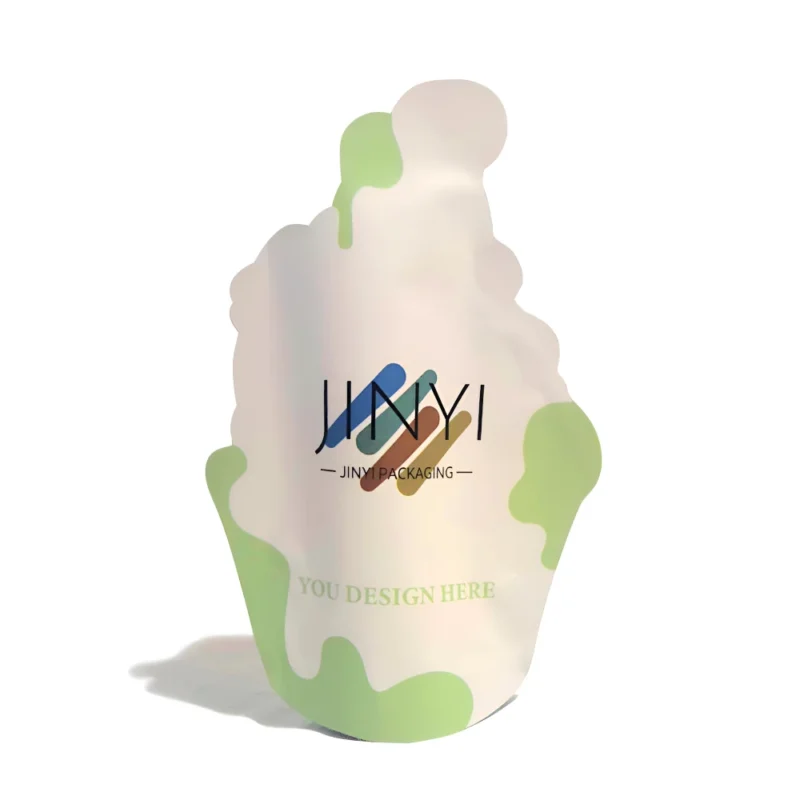
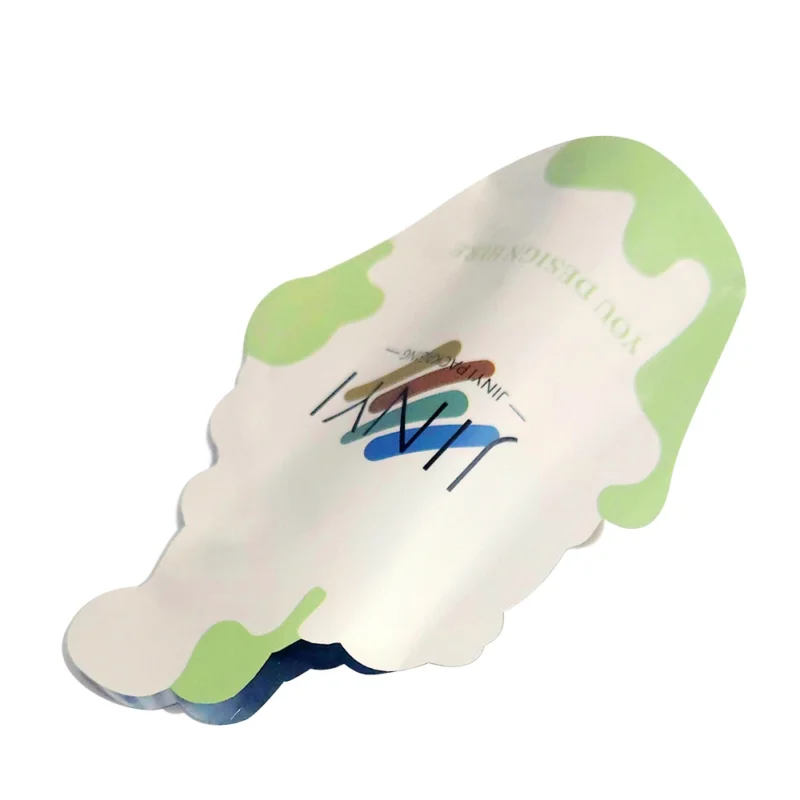
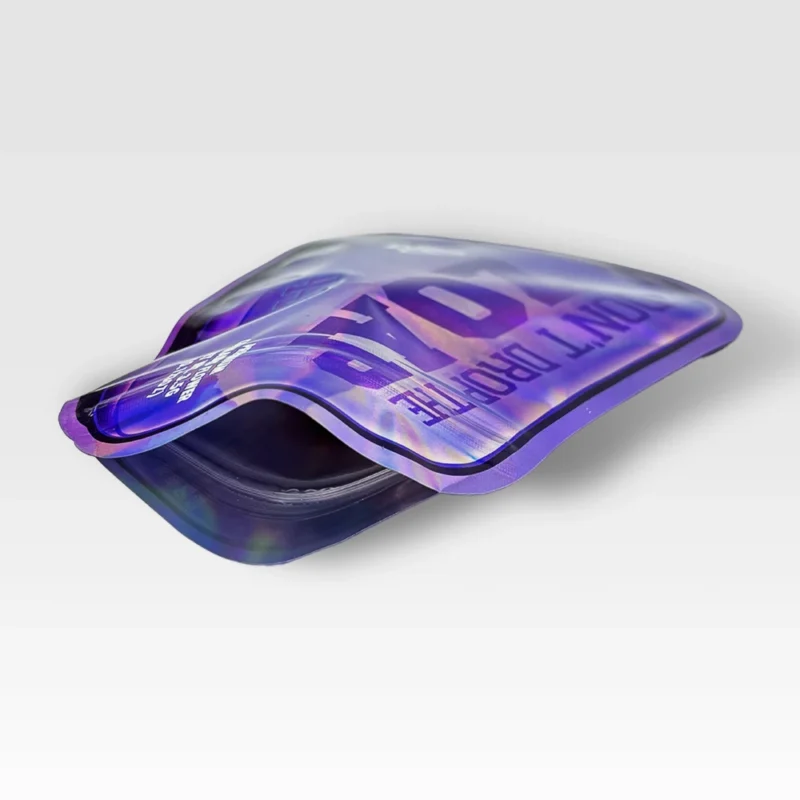
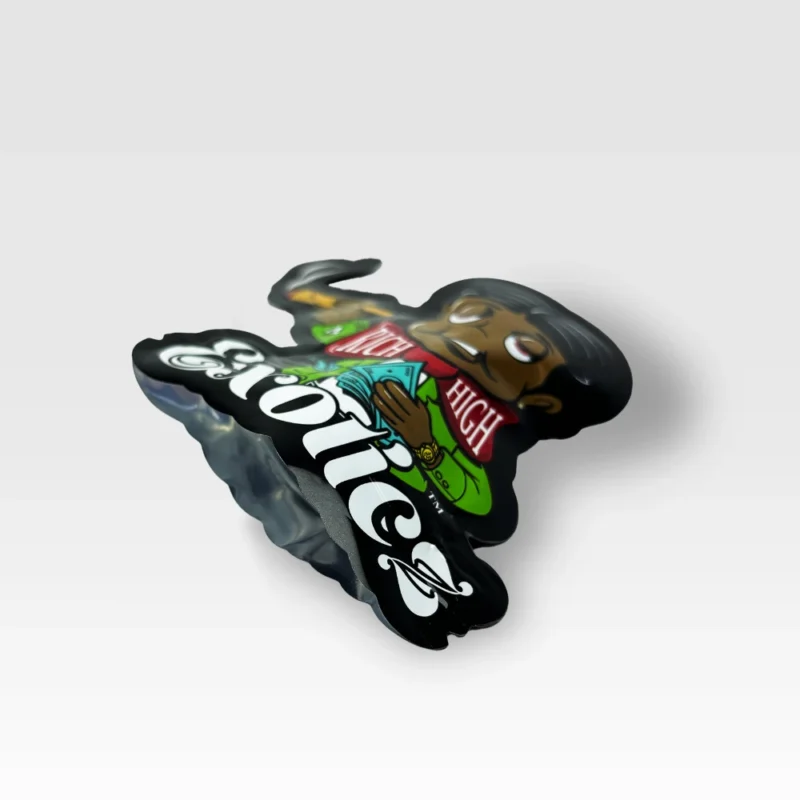
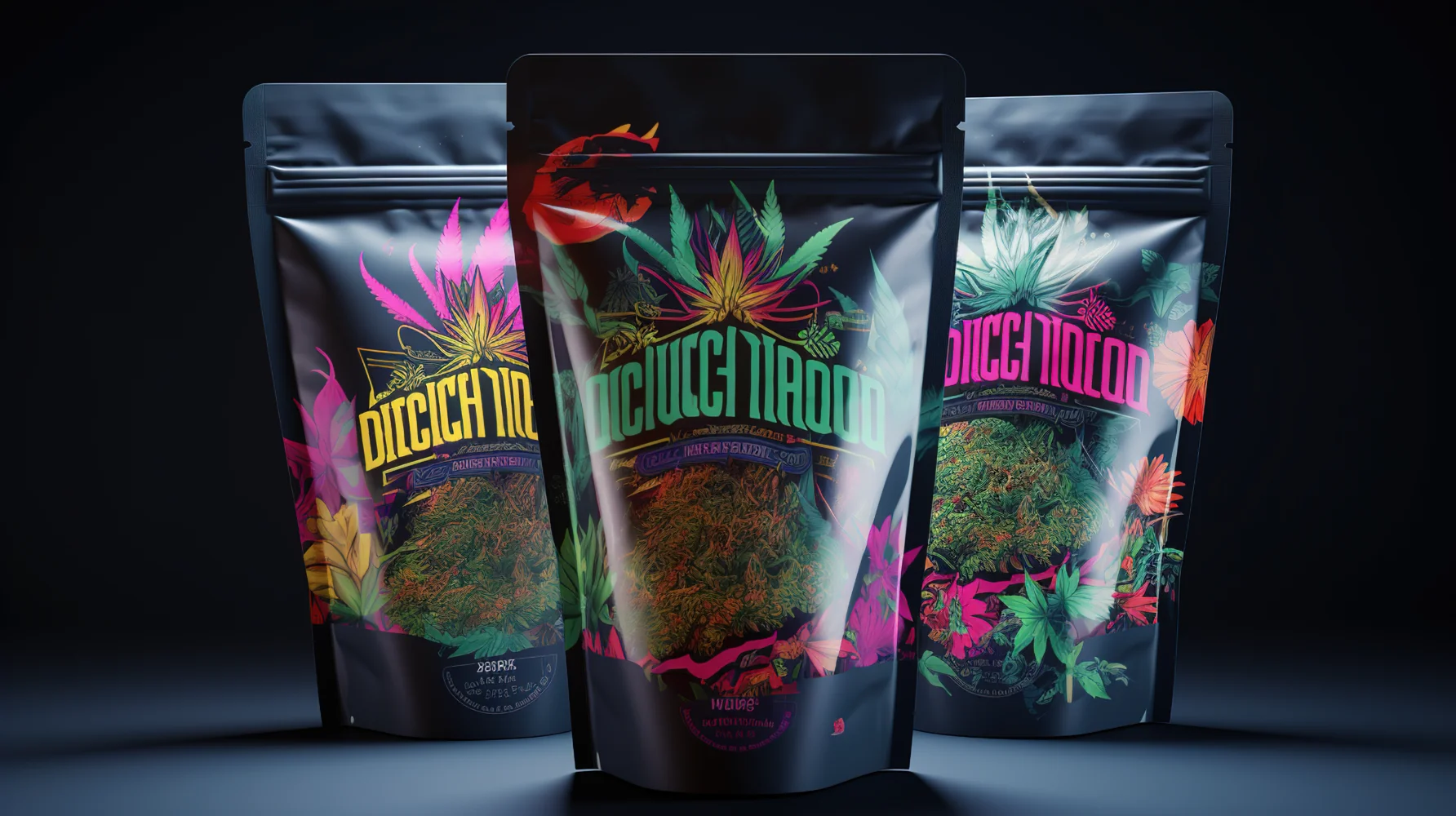
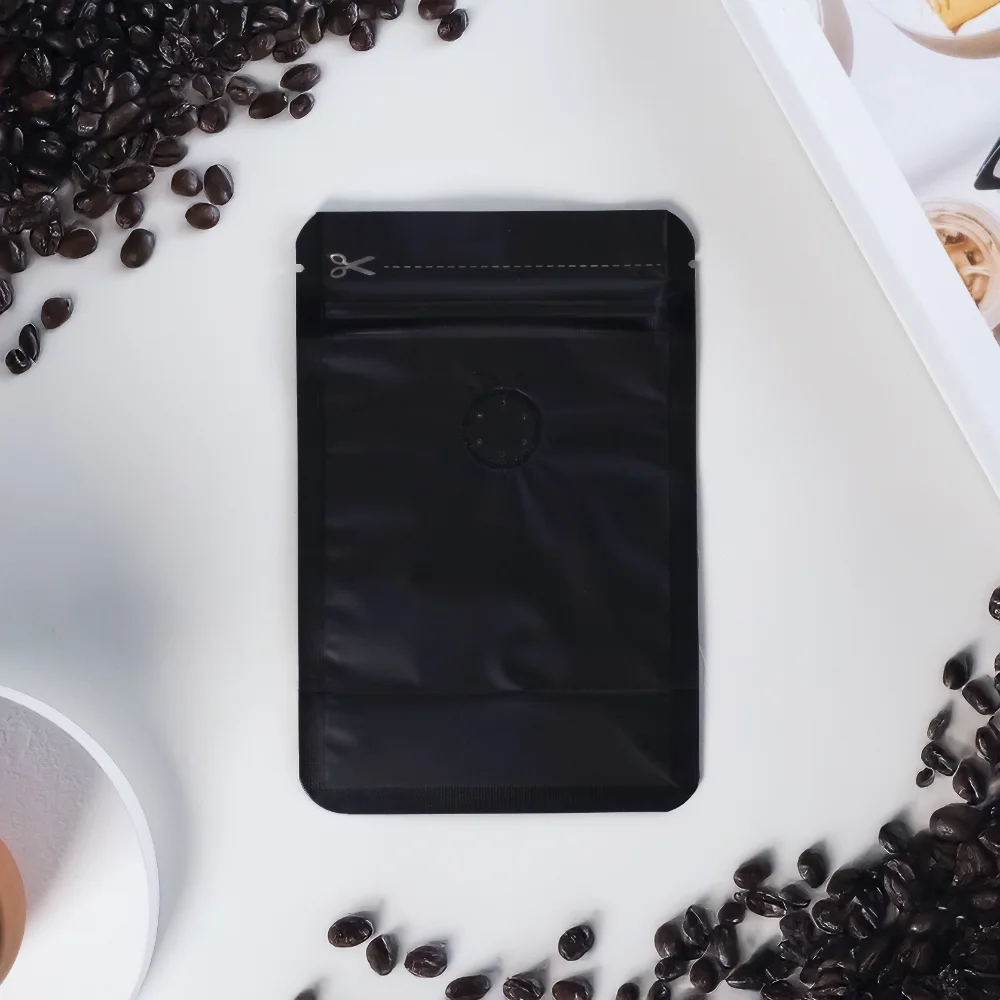
Die Cut Mylar Bag
High-impact shelf presence with strong barrier protection to keep products fresh and compliant-ready.
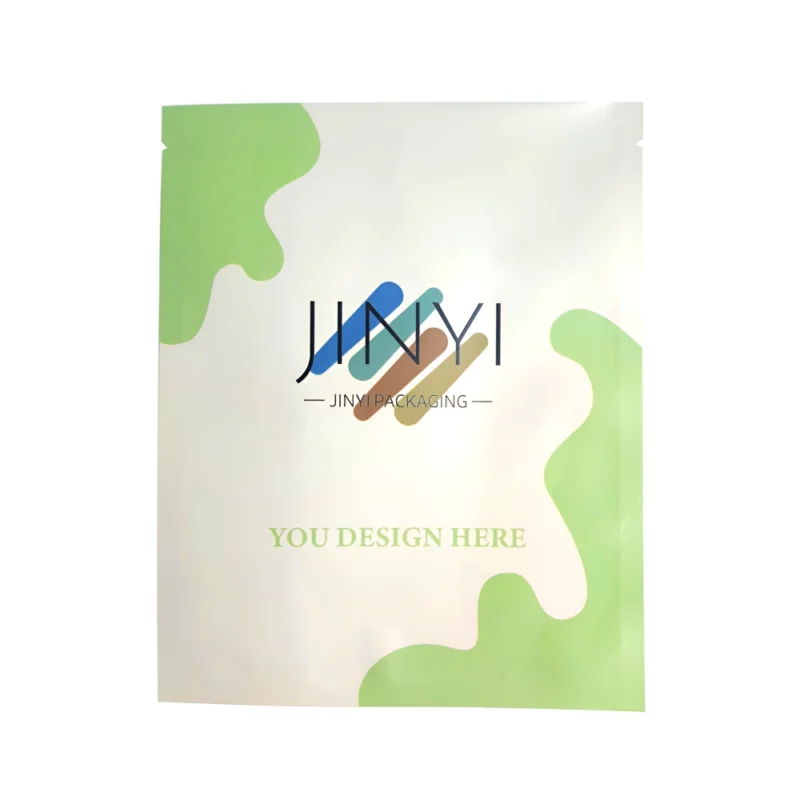
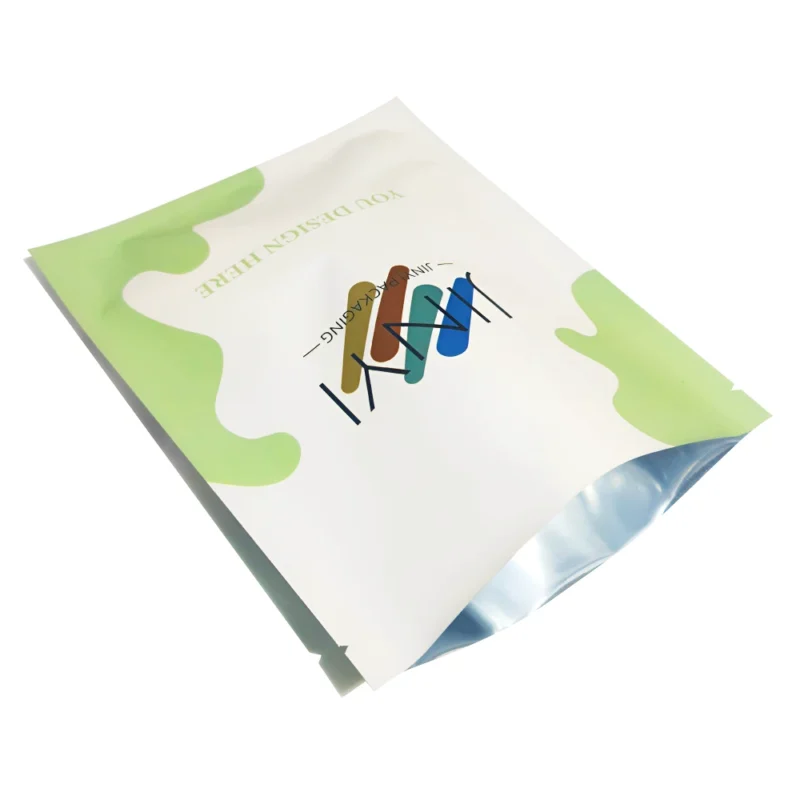
Flat Pouches
A space-saving, cost-efficient format that delivers reliable sealing performance for everyday retail and shipping.
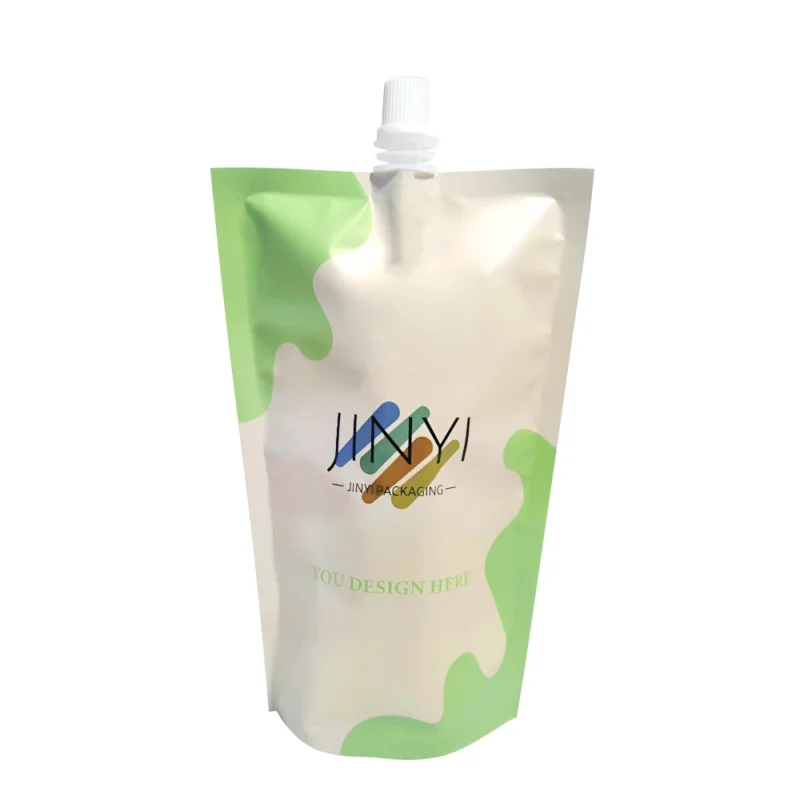
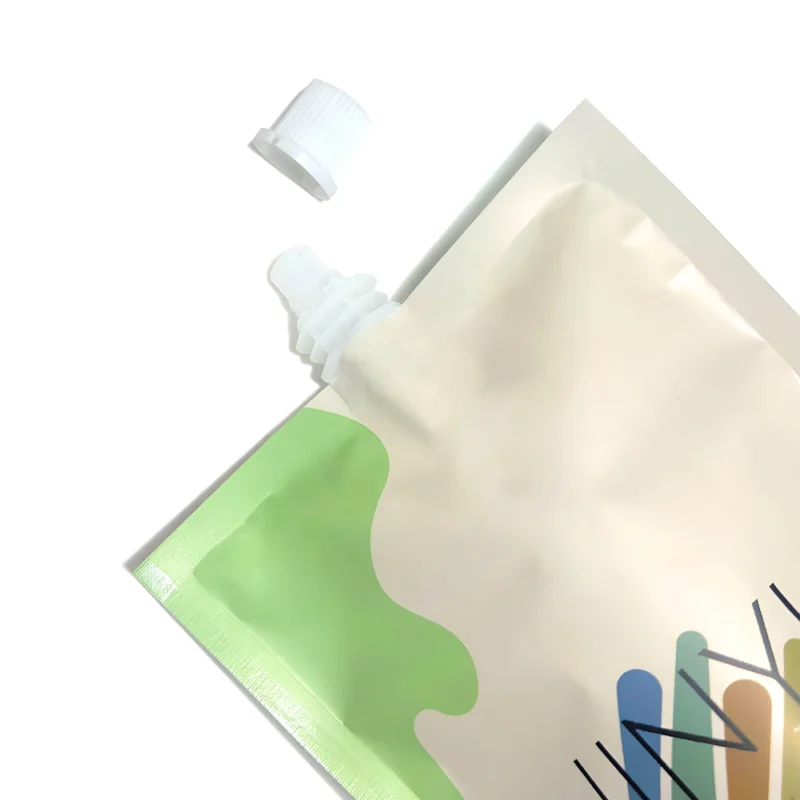
Liquid Spout Pouches
Leak-resistant, easy-pour packaging that upgrades user convenience and reduces mess in delivery.
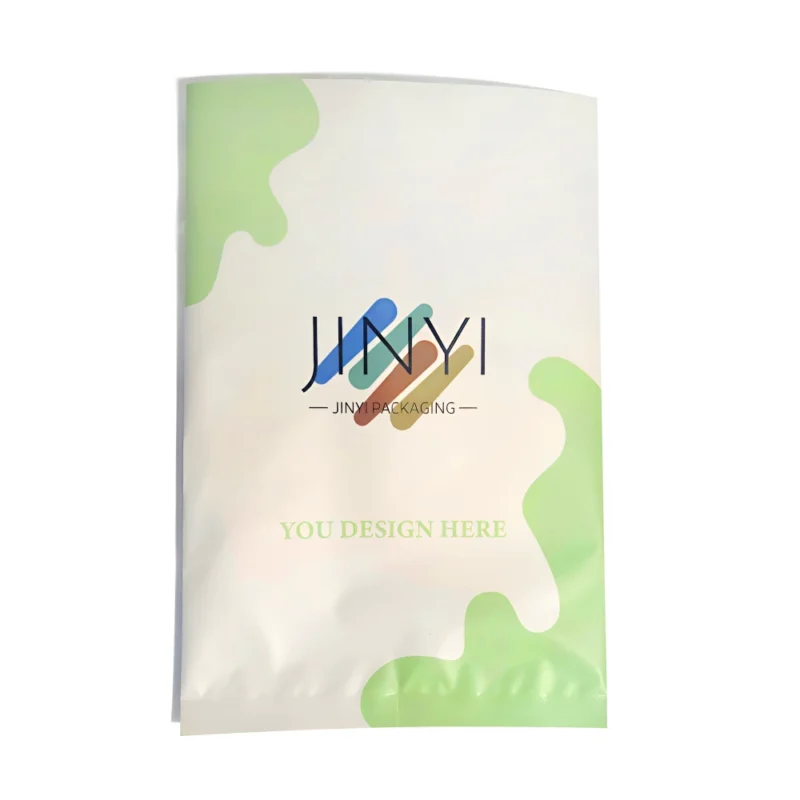
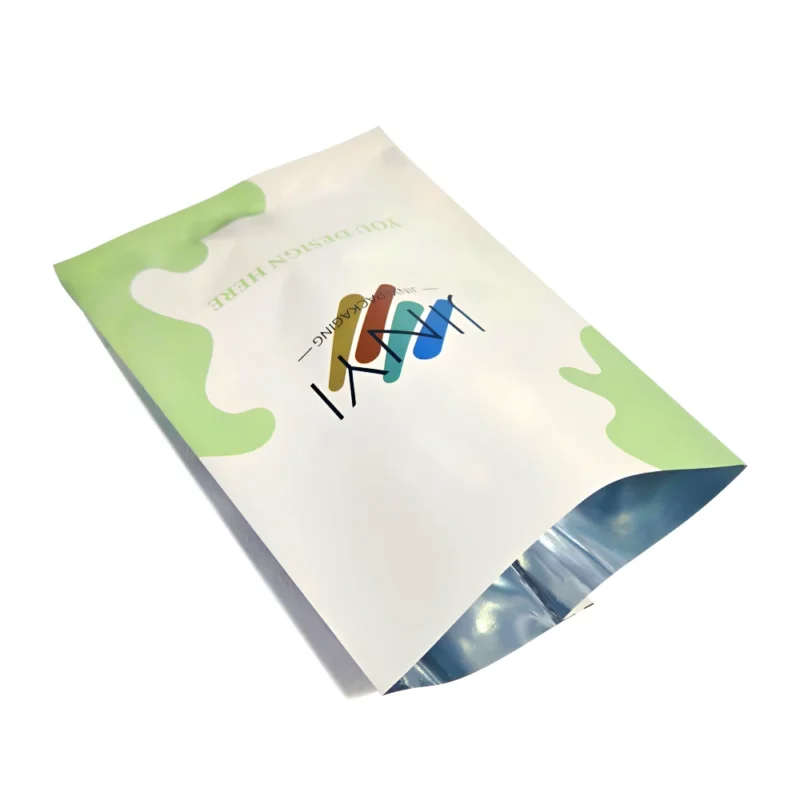
Pillow Bag Packaging
Lightweight, fast-to-pack sachet-style packaging ideal for high-volume products and clean branding.
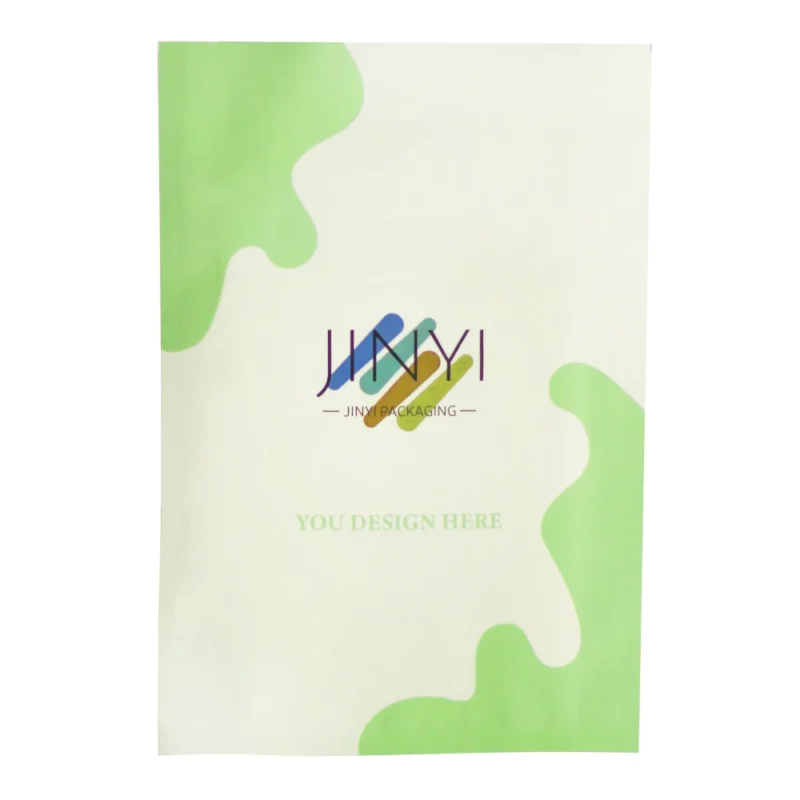
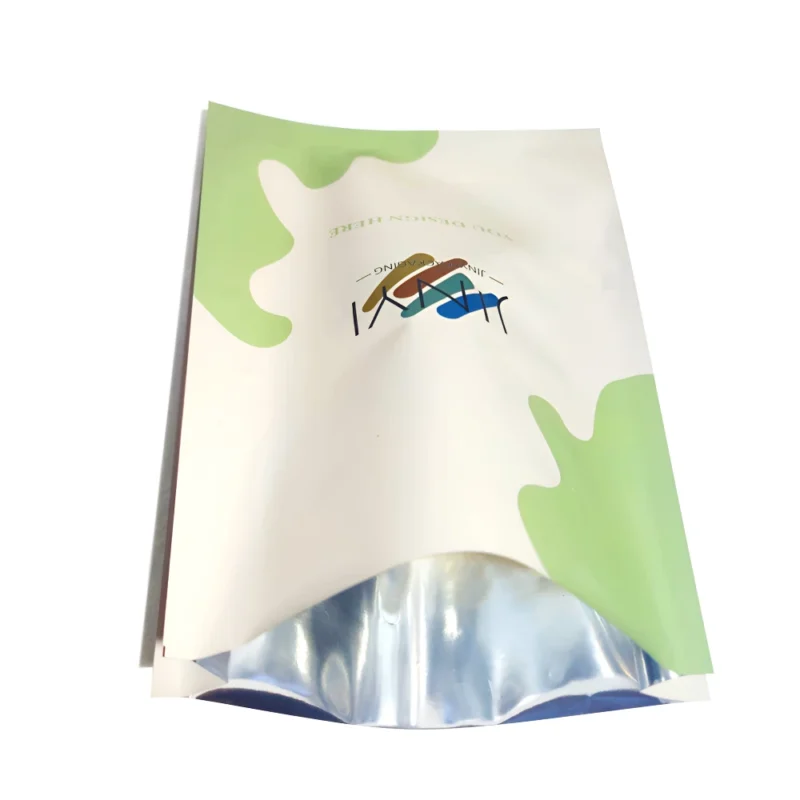
Quad Seal Pouch
Box-like stability with premium shelf appeal—great for heavier fills and a more “upright” look.
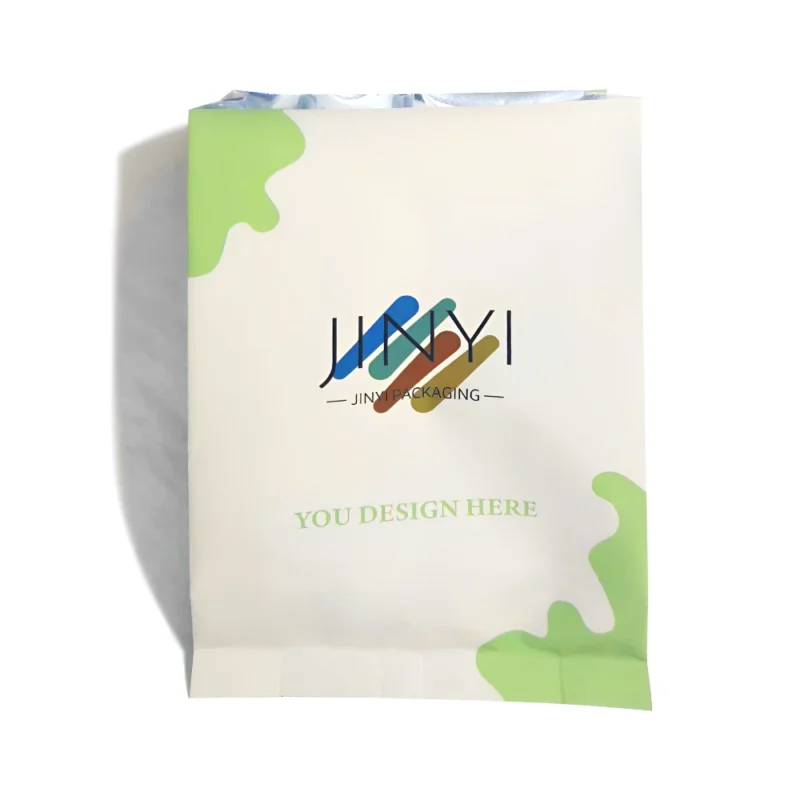
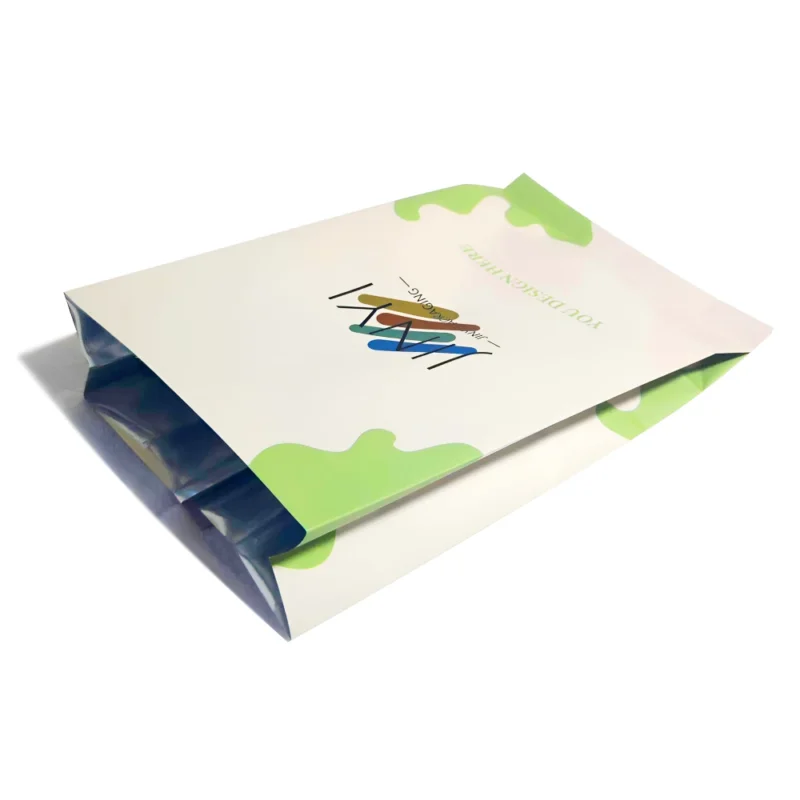
Side Gusset Bags
High-capacity, space-efficient bags that maximize fill volume while keeping a clean, structured shape.
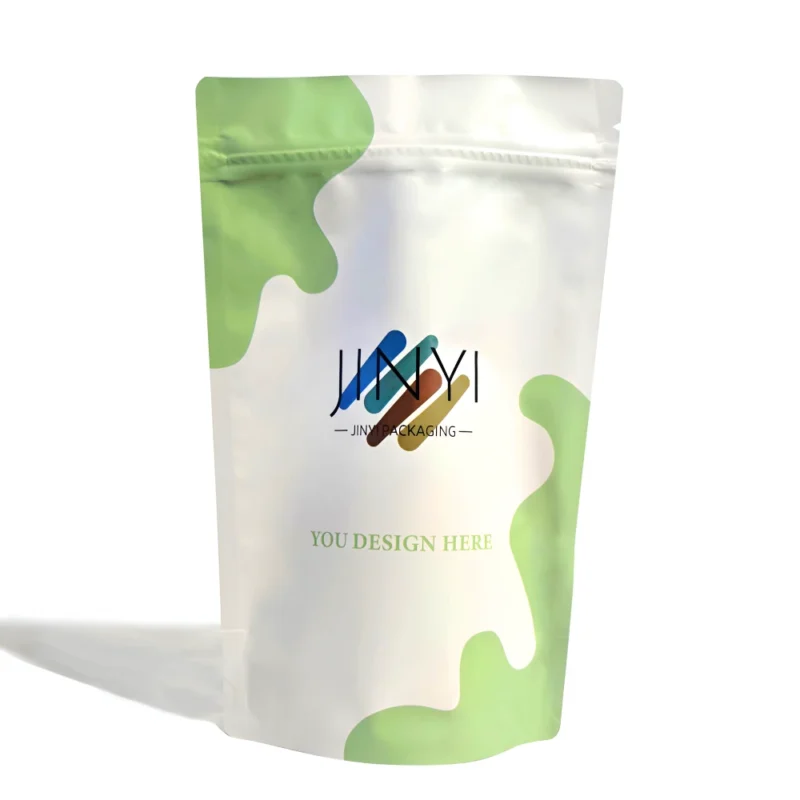
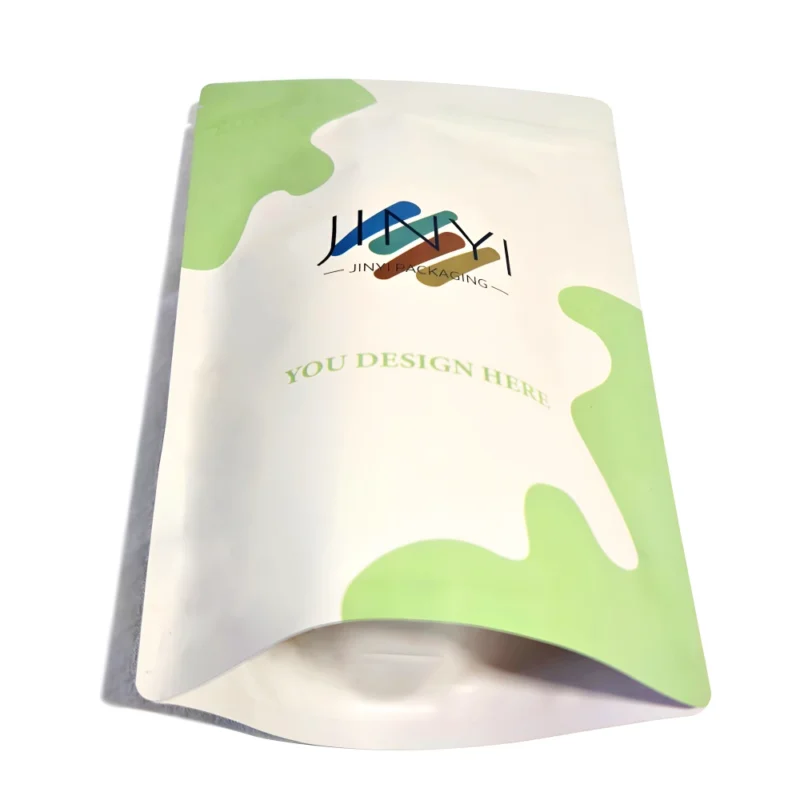
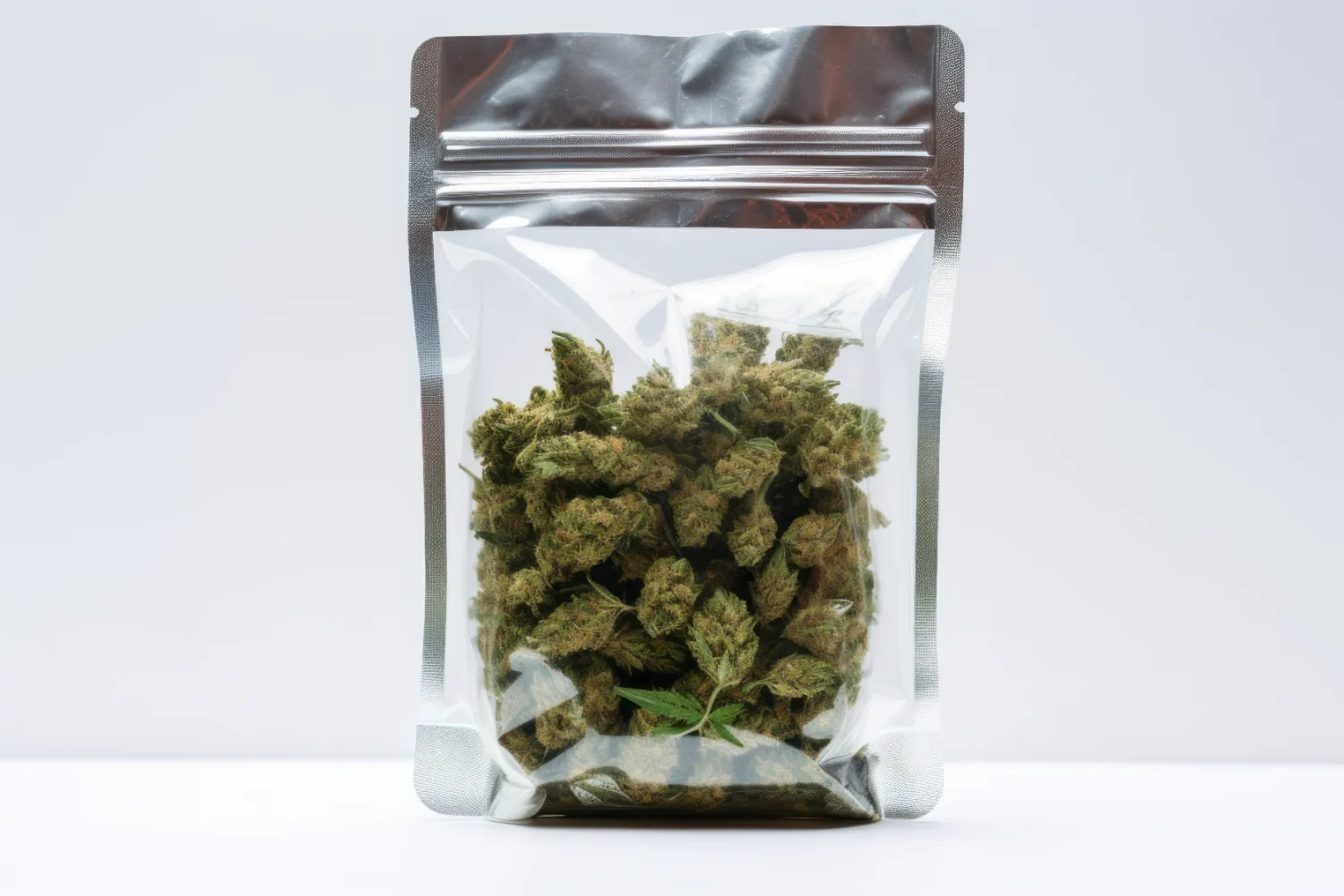
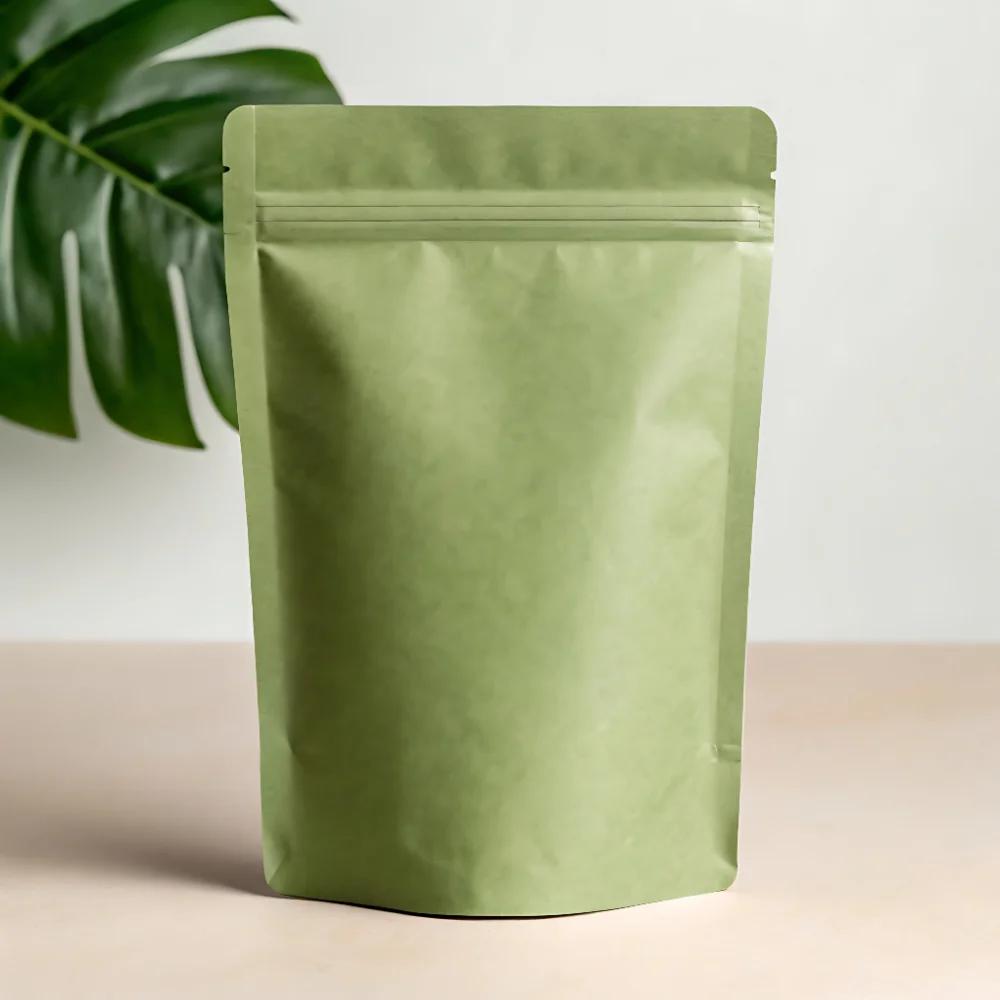
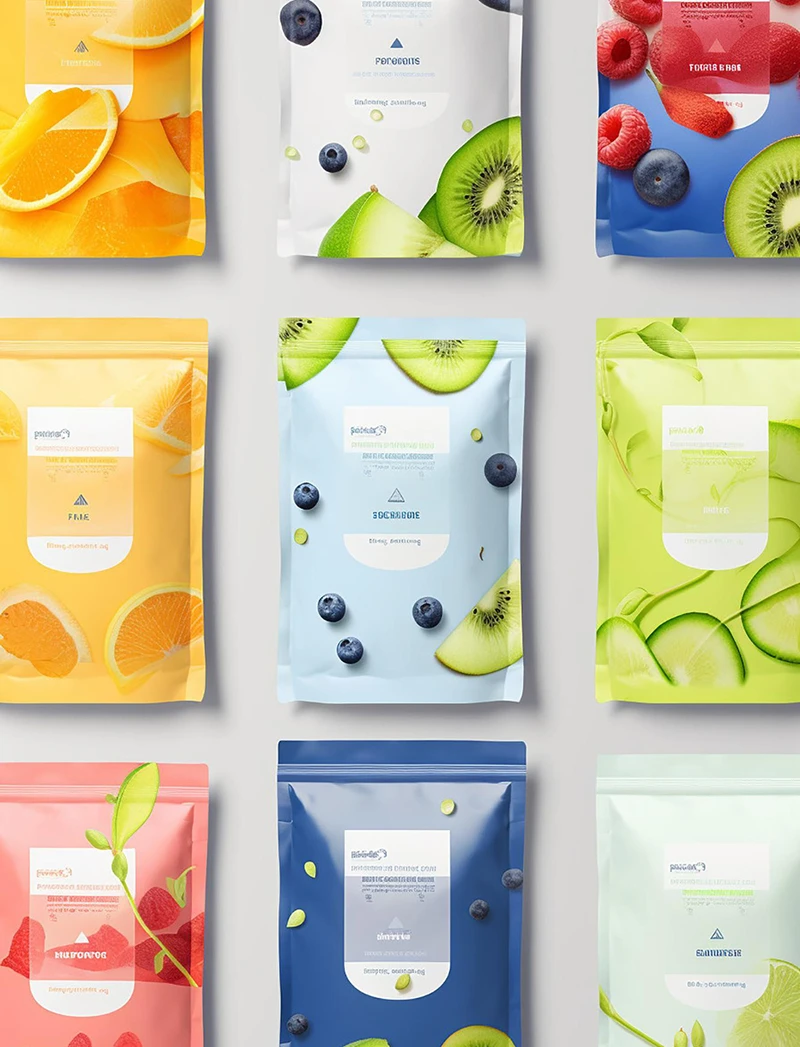
Stand Up Pouches
One of the fastest-growing formats—combining strong shelf display, lower freight cost, and great freshness protection.
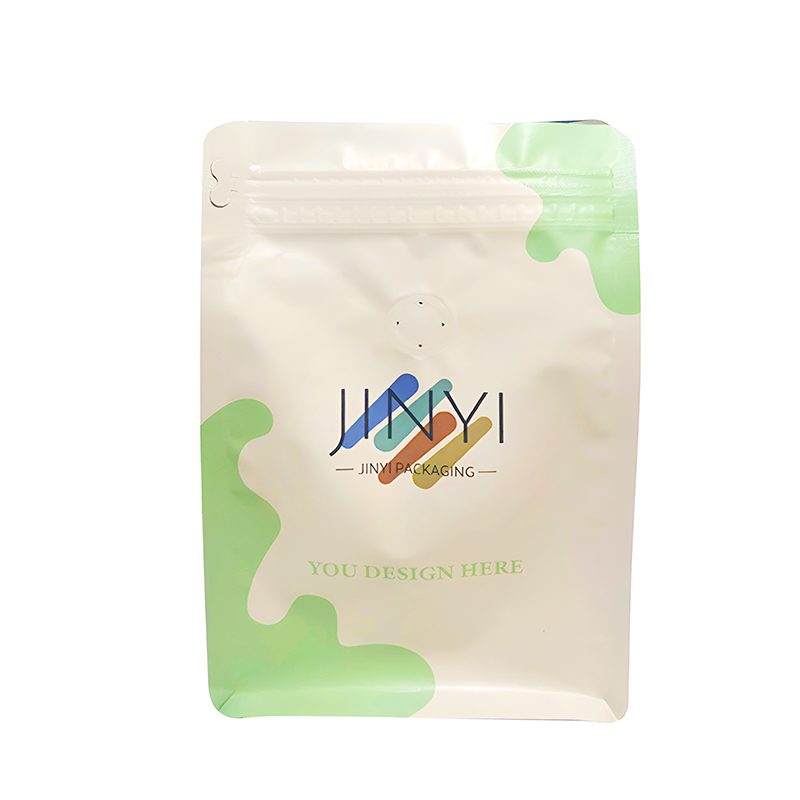
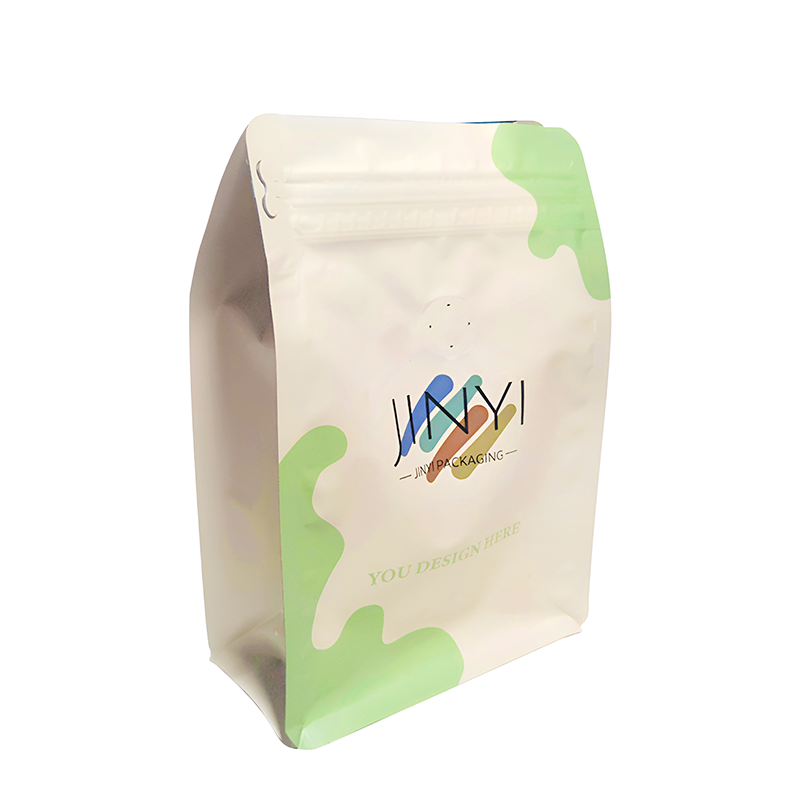
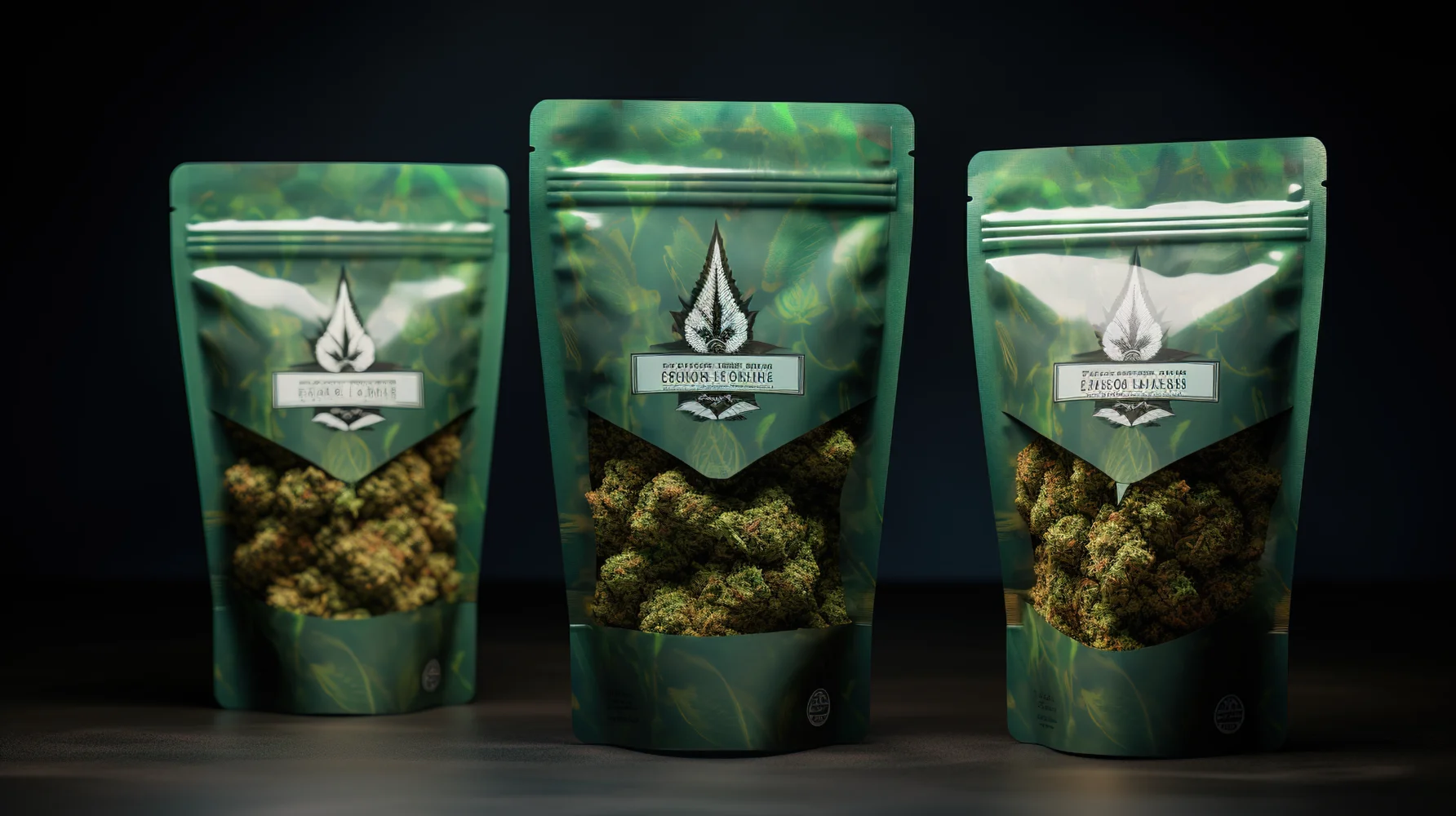
Stand Up Pouches & Bags
A shelf-ready choice for coffee, tea, food, and pet treats, delivering strong barrier protection and standout retail presence.