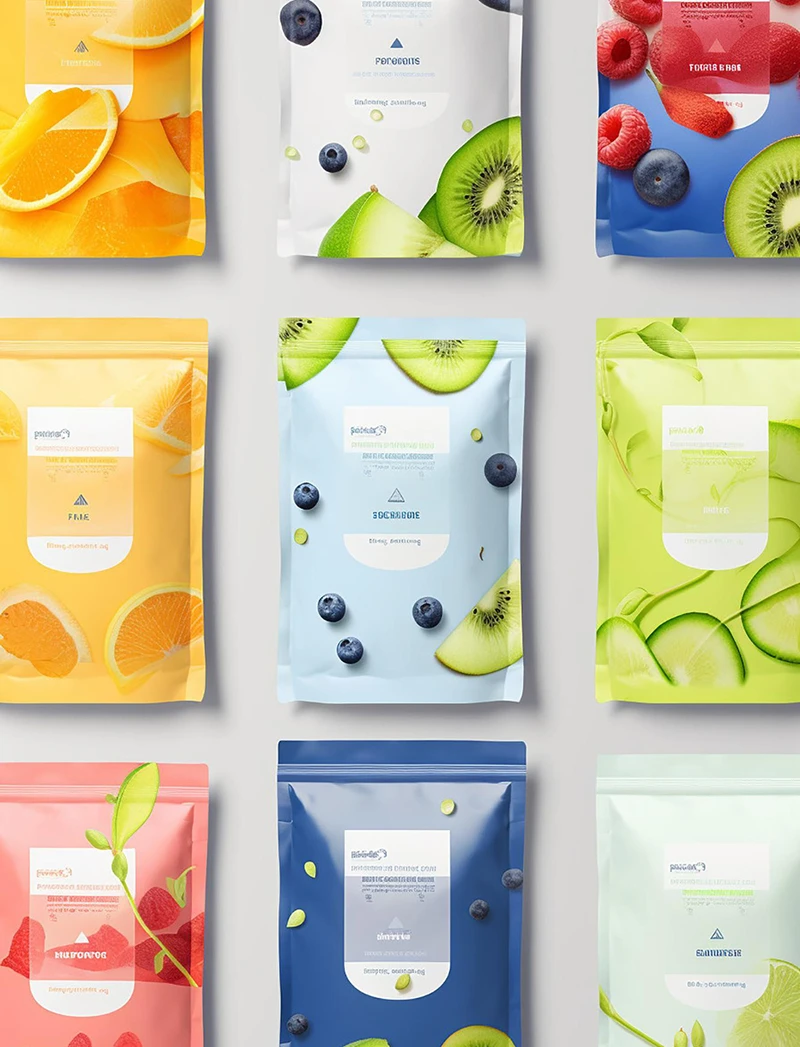

Momentous Packaging: NSF-Certified Pouches and Travel Pack Design

Momentous packages its NSF Certified for Sport supplement line in stand-up pouches and single-serve travel...
Ler mais

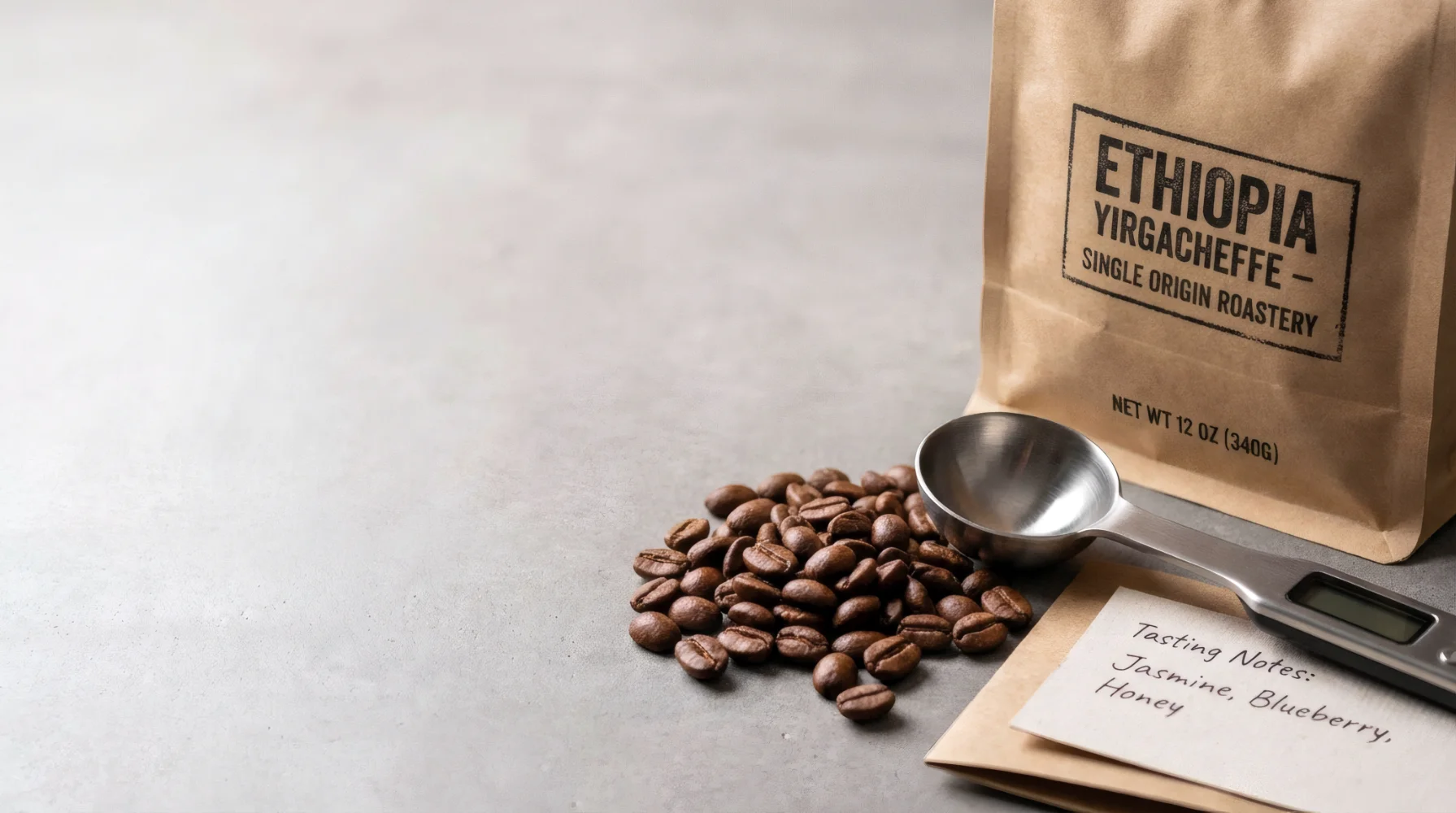
Intelligentsia Coffee Packaging: A Three-Tier Design System Decoded

Intelligentsia Coffee runs one of the most structured packaging design systems in specialty coffee —...

Ler mais

MUD\WTR Packaging: Tin, Pouch and Stick Pack Design Decoded

MUD\WTR built its packaging around three formats — an aluminum tin for the daily ritual,...

Ler mais

Embalagem ZIWI Peak: Bolsa de fundo plano, película de barreira e janela

A ZIWI Peak embala os seus alimentos secos ao ar para animais de companhia numa bolsa de fundo plano com uma...

Ler mais

Embalagem de alimentos para cães ORIJEN: Formato do saco, película de proteção e design da marca

A ORIJEN tem um dos modelos de sacos mais conhecidos no sector dos alimentos de qualidade superior para animais de companhia - escuro...

Ler mais

Embalagem de LMNT em formato de bastão: Estrutura do filme e design da caixa

A LMNT construiu a sua embalagem em torno de duas decisões: uma embalagem de stick de dose única com uma...

Ler mais

Bolsas personalizadas Sticker Mule vs Fábrica direta: O que muda na escala

As bolsas autocolantes personalizadas da Sticker Mule são rápidas e acessíveis - mas limitadas a dois tamanhos,...

Ler mais

Que embalagem é que a RYZE Mushroom Coffee utiliza? A marca de café com cogumelos mais vendida do mundo em embalagens

A RYZE não escolheu os tons de terra por acaso - as suas embalagens foram concebidas para o bem-estar TikTok...

Ler mais

Drip Bag Coffee (Single-Serve) Growth: Is It Replacing Capsules or Creating a New Routine?

If drip bags are “growing,” buyers may assume capsules are losing. That shortcut often fails,...

Instant Coffee vs Specialty: What Actually Drives Repeat Purchase—Taste, Price, or Convenience?

· People keep buying coffee, yet brands still guess why. Conflicting advice wastes budget, confuses...

Oils and Nuts Shelf Life: What Drives Rancidity Faster—Oxygen, Light, or Trace Metals?

Rancid returns can feel random. A product smells fine in the lab, then fails fast...

MAP vs Vacuum vs Standard Packs: Which Atmosphere Strategy Actually Slows Flavor Loss for Foods?

Many foods taste “flat” long before they look spoiled, and teams often blame recipes instead...

Sugar, Salt, and Acid: Which One Controls Shelf Life Most—and When Does Each Stop Working?

Shelf life fails in different ways, but many teams pick one “preservative lever” and expect...

Frozen vs Shelf-Stable Foods: Which Is Expanding Faster, and What Does That Mean for Packaging and Logistics?

Frozen growth looks exciting, until cold-chain gaps create hidden shrink, returns, and brand damage. Shelf-stable...

Why Are “High-Protein” Foods Growing Faster: Price, Label Claims, or Convenience—and How Can Brands Verify?

High-protein is “winning,” but many brands cannot explain why. When the driver is misread, budgets...

Global Snack Demand in 2025: What Market Reports Say—and What Brands Should Watch Next?

Snack costs rise, channels shift, and forecasts conflict. When brands guess “demand,” they misread growth...

Pet Treat Stand-Up Pouches With Windows: How I Prevent Window Leaks, Fogging, and “Soft Treat” Complaints on Shelf?

Your pouch can look premium on the shelf, then come back as a complaint. The...

Why Windowed Pet Treat Pouches Look Great but Fail in Transit: My Route-Stress Checklist for Zippers, Notches, and Window Placement?

A windowed pouch can look perfect on shelf, then arrive with haze, micro-leaks, or “soft...