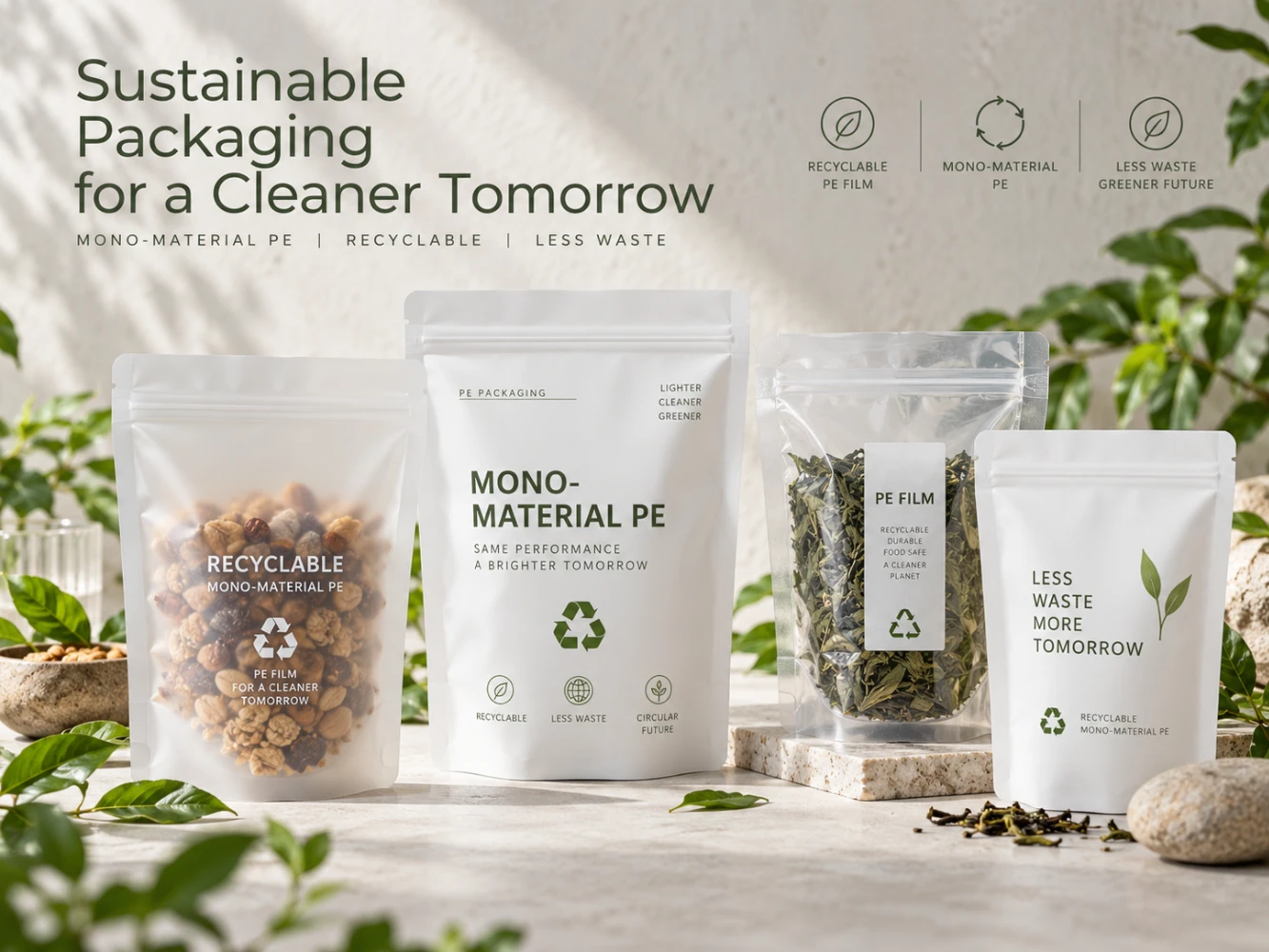

Momentous Packaging: NSF-Certified Pouches and Travel Pack Design

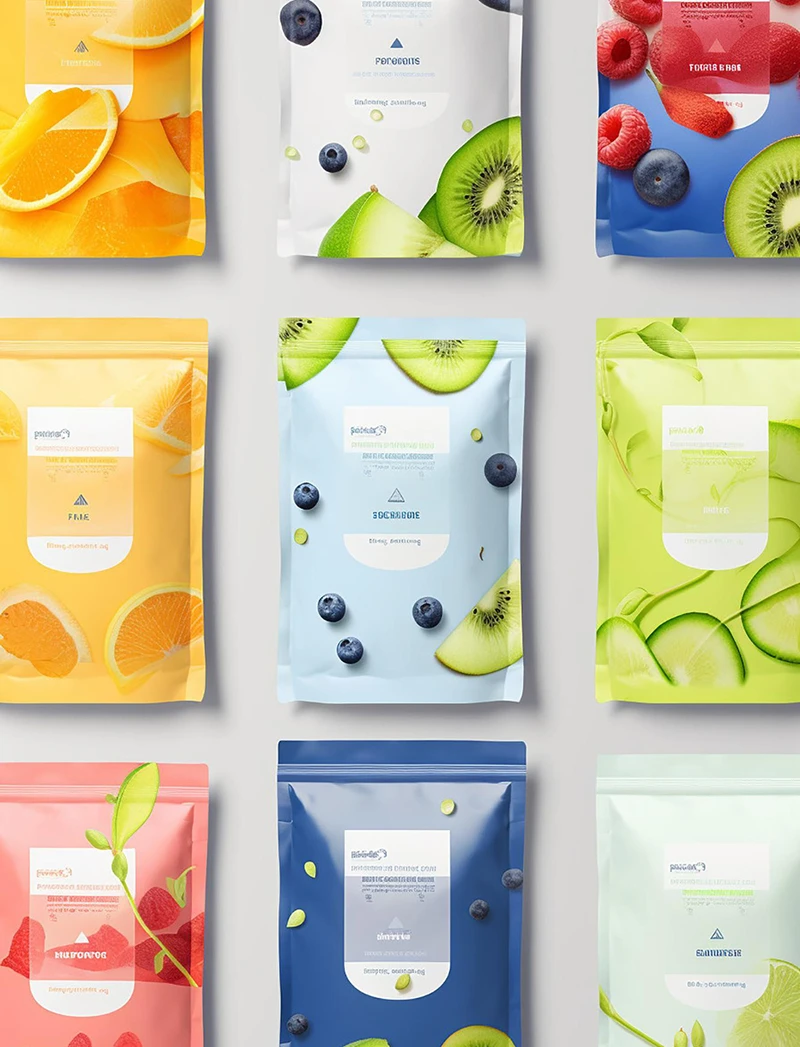
Momentous packages its NSF Certified for Sport supplement line in stand-up pouches and single-serve travel...
Lire la suite

Intelligentsia Coffee Packaging: A Three-Tier Design System Decoded

Intelligentsia Coffee runs one of the most structured packaging design systems in specialty coffee —...

Lire la suite

MUD\WTR Packaging: Tin, Pouch and Stick Pack Design Decoded

MUD\WTR built its packaging around three formats — an aluminum tin for the daily ritual,...

Lire la suite

Emballage ZIWI Peak : Pochette à fond plat, film barrière et fenêtre

ZIWI Peak conditionne ses aliments séchés à l'air pour animaux de compagnie dans un sachet à fond plat...

Lire la suite

Emballage des aliments pour chiens ORIJEN : Format du sac, barrière de film et design de la marque

ORIJEN propose l'un des modèles de sacs les plus reconnaissables dans le domaine des aliments pour animaux de...

Lire la suite

Emballage Stick Pack LMNT : Structure du film et conception de la boîte

LMNT a conçu son emballage en fonction de deux décisions : un emballage en bâtonnet à portion unique avec une barrière élevée estimée...

Lire la suite

Pochettes personnalisées de Sticker Mule vs usine directe : Ce qui change à l'échelle

Les pochettes personnalisées de Sticker Mule sont rapides et accessibles - mais limitées à deux tailles,...

Lire la suite

Quel est l'emballage utilisé par RYZE Mushroom Coffee ? Répartition des sachets de la marque de café aux champignons la plus vendue au monde

RYZE n'a pas choisi les tons de terre par hasard - leur emballage est conçu pour le bien-être TikTok...

Lire la suite

Drip Bag Coffee (Single-Serve) Growth: Is It Replacing Capsules or Creating a New Routine?

If drip bags are “growing,” buyers may assume capsules are losing. That shortcut often fails,...

Instant Coffee vs Specialty: What Actually Drives Repeat Purchase—Taste, Price, or Convenience?

· People keep buying coffee, yet brands still guess why. Conflicting advice wastes budget, confuses...

Oils and Nuts Shelf Life: What Drives Rancidity Faster—Oxygen, Light, or Trace Metals?

Rancid returns can feel random. A product smells fine in the lab, then fails fast...

MAP vs Vacuum vs Standard Packs: Which Atmosphere Strategy Actually Slows Flavor Loss for Foods?

Many foods taste “flat” long before they look spoiled, and teams often blame recipes instead...

Sugar, Salt, and Acid: Which One Controls Shelf Life Most—and When Does Each Stop Working?

Shelf life fails in different ways, but many teams pick one “preservative lever” and expect...

Frozen vs Shelf-Stable Foods: Which Is Expanding Faster, and What Does That Mean for Packaging and Logistics?

Frozen growth looks exciting, until cold-chain gaps create hidden shrink, returns, and brand damage. Shelf-stable...

Why Are “High-Protein” Foods Growing Faster: Price, Label Claims, or Convenience—and How Can Brands Verify?

High-protein is “winning,” but many brands cannot explain why. When the driver is misread, budgets...

Global Snack Demand in 2025: What Market Reports Say—and What Brands Should Watch Next?

Snack costs rise, channels shift, and forecasts conflict. When brands guess “demand,” they misread growth...

Pet Treat Stand-Up Pouches With Windows: How I Prevent Window Leaks, Fogging, and “Soft Treat” Complaints on Shelf?

Your pouch can look premium on the shelf, then come back as a complaint. The...

Why Windowed Pet Treat Pouches Look Great but Fail in Transit: My Route-Stress Checklist for Zippers, Notches, and Window Placement?

A windowed pouch can look perfect on shelf, then arrive with haze, micro-leaks, or “soft...