Intelligentsia Coffee Packaging: A Three-Tier Design System Decoded

Intelligentsia Coffee runs one of the most structured packaging design systems in specialty coffee —...
Ler mais

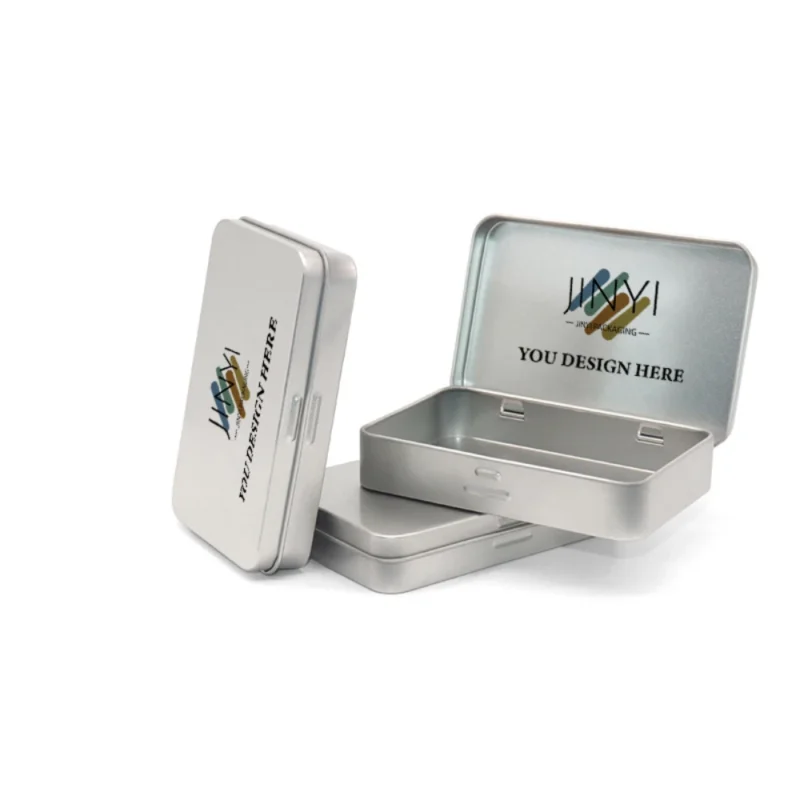
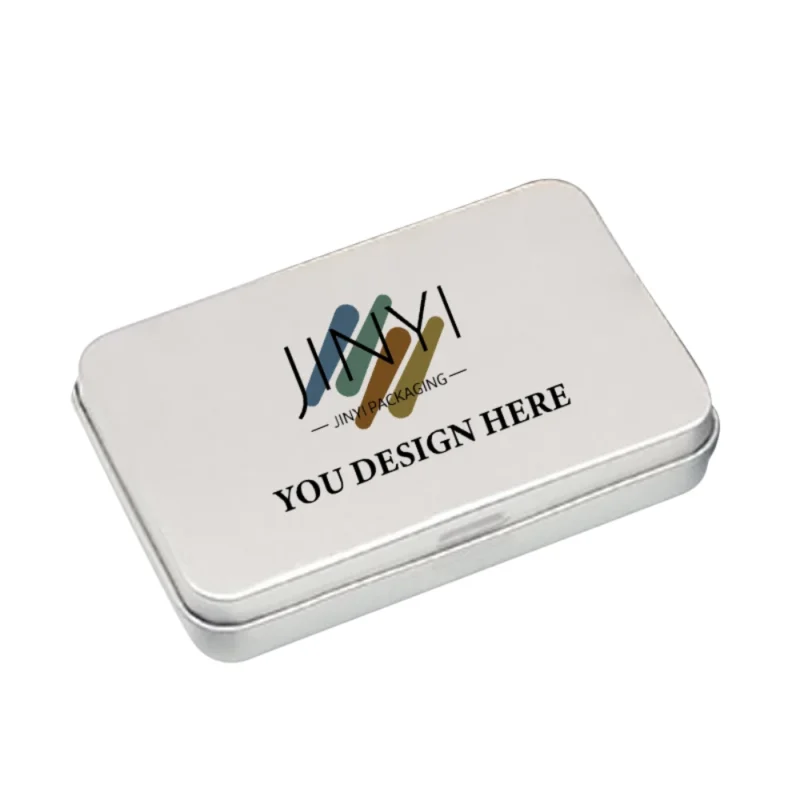
MUD\WTR Packaging: Tin, Pouch and Stick Pack Design Decoded

MUD\WTR built its packaging around three formats — an aluminum tin for the daily ritual,...

Ler mais

Embalagem ZIWI Peak: Bolsa de fundo plano, película de barreira e janela

A ZIWI Peak embala os seus alimentos secos ao ar para animais de companhia numa bolsa de fundo plano com uma...

Ler mais

Embalagem de alimentos para cães ORIJEN: Formato do saco, película de proteção e design da marca

A ORIJEN tem um dos modelos de sacos mais conhecidos no sector dos alimentos de qualidade superior para animais de companhia - escuro...

Ler mais

Embalagem de LMNT em formato de bastão: Estrutura do filme e design da caixa

A LMNT construiu a sua embalagem em torno de duas decisões: uma embalagem de stick de dose única com uma...

Ler mais

Bolsas personalizadas Sticker Mule vs Fábrica direta: O que muda na escala

As bolsas autocolantes personalizadas da Sticker Mule são rápidas e acessíveis - mas limitadas a dois tamanhos,...

Ler mais

Que embalagem é que a RYZE Mushroom Coffee utiliza? A marca de café com cogumelos mais vendida do mundo em embalagens

A RYZE não escolheu os tons de terra por acaso - as suas embalagens foram concebidas para o bem-estar TikTok...

Ler mais

Que embalagem é que o Liquid IV utiliza? O Stick Pack dentro de uma bolsa - e porque é que funciona

A embalagem do Liquid IV é dois produtos num só - 30 embalagens individuais em stick dentro de uma...

Ler mais

Grain-Free After the DCM Debate: How Have Shopper Attitudes and Category Mix Actually Shifted Since 2019?

Grain-free can still sell well, yet shoppers can still feel unsure. Brands often read the...

Pet Food Premiumization: Is Trading Up Still Growing in 2026—or Is Value Winning Back Share?

Pet brands feel squeezed. Premium stories still sell, but value pressure keeps rising. Many teams...

Single-Ingredient Treats vs Mixed Recipes: Which Fails Faster in Storage, and What Drives Returns (Odor, Crumble, or Mold)?

Returns feel unpredictable when every complaint sounds different. Brands lose margin while teams argue about...

Why Do “Grain-Free” Pet Foods Cause Label Confusion: What Owners Actually Mean by “Sensitive Stomach”?

Pet owners see “grain-free” and expect fewer tummy issues. Many pets still vomit, get gas,...

Freeze-Dried vs Jerky Pet Treats: What Really Controls Shelf Life—Water Activity or Oxygen?

Pet treats can look “dry” and still fail fast on shelf. Brands often guess wrong...

Pet Treat Stand-Up Pouches With Windows: How I Prevent Window Leaks, Fogging, and “Soft Treat” Complaints on Shelf?

Your pouch can look premium on the shelf, then come back as a complaint. The...

Why Windowed Pet Treat Pouches Look Great but Fail in Transit: My Route-Stress Checklist for Zippers, Notches, and Window Placement?

A windowed pouch can look perfect on shelf, then arrive with haze, micro-leaks, or “soft...

Freeze-Dried Pet Treats vs Jerky: What Really Drives Shelf Life—and What Packaging Can Control?

Crunchy one week, leathery the next—and customers blame the treat. The real culprits are usually...

Why Do Kibble Bags Fail on Shelf: Grease Migration, Pinholes, and Odor Loss?

Kibble looks fine at packing, then shows grease spots, weak aroma, and “stale” complaints on...

Why Do Your Pet Treats Go Soft? Humidity, WVTR, and Seal Leaks That Kill Crunch

If your crunchy treats keep turning soft, customers blame “stale product.” The real culprit is...