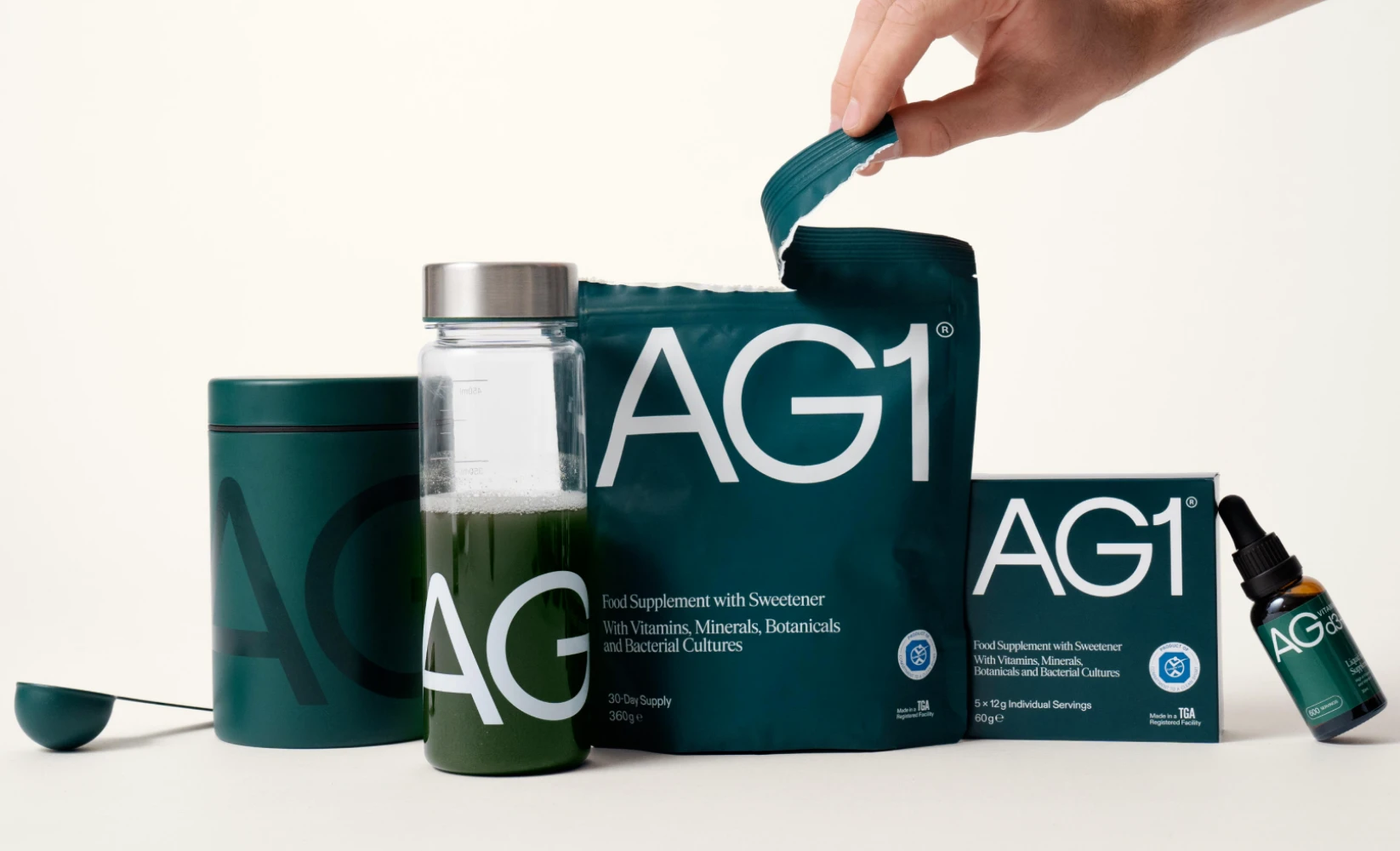
AG1 has one of the most recognisable packaging formats in the supplement industry. The large matte green stand-up pouch — clean label, minimal design, premium finish — has become as identifiable as the product inside it. For supplement brands thinking seriously about their own packaging, it’s worth understanding what AG1 actually chose and why those choices make sense for a powder product with active probiotic cultures.
This breakdown covers the bag format, film structure, surface finish, and the specific performance requirements that drive AG1’s packaging decisions — from a manufacturer’s perspective.

What Bag Format Does AG1 Use?
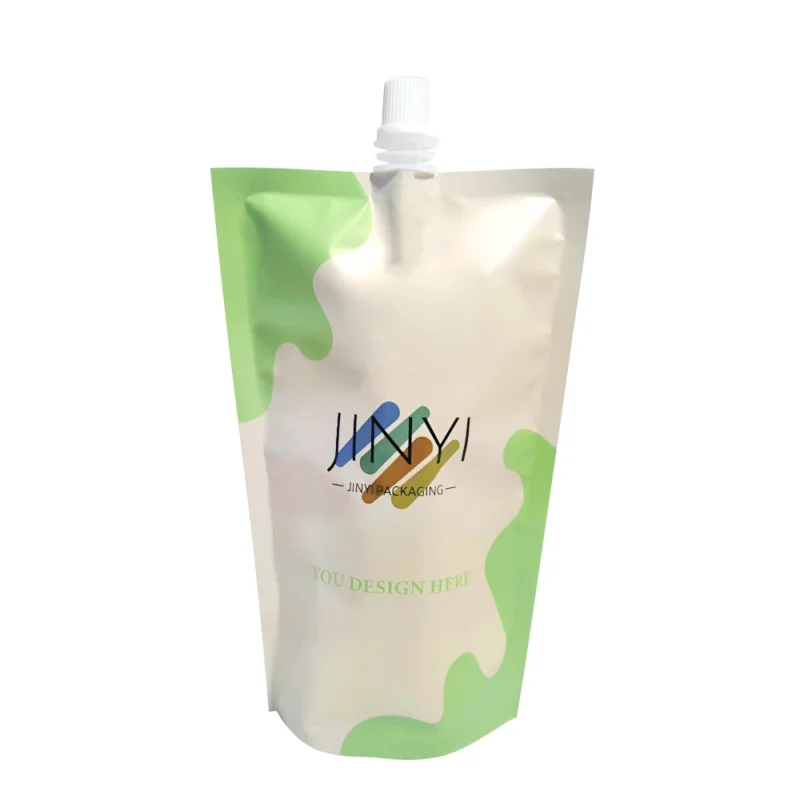
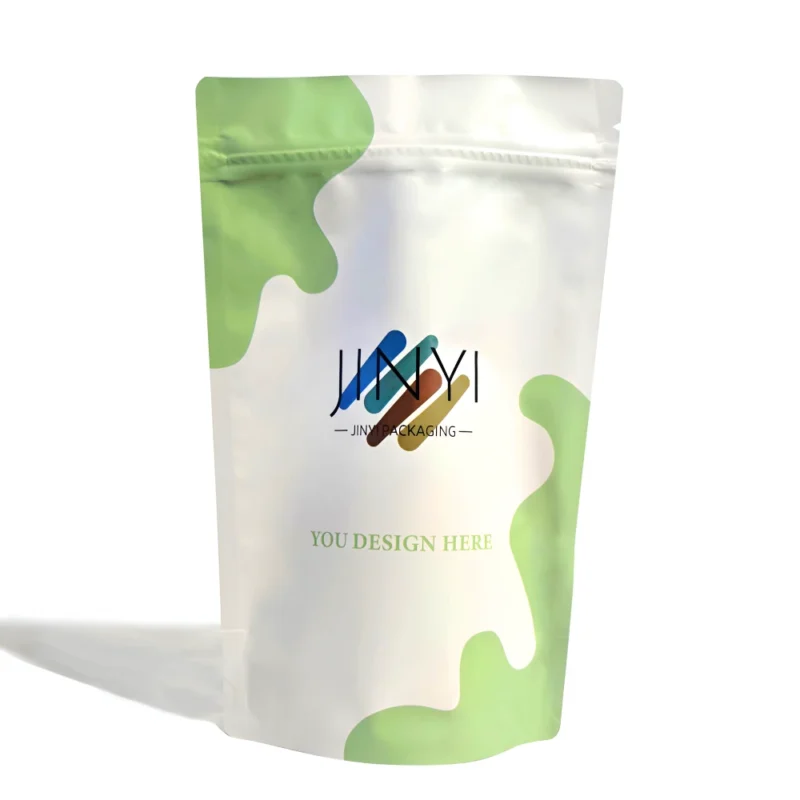
AG1’s primary retail format is a large stand-up pouch — the 240g bag that holds 30 servings. This is the format most people associate with the brand: a self-standing bag with a resealable zipper, wide front panel for branding, and a compact footprint that fits easily in a kitchen or on a shelf.
The stand-up format makes sense for this product for several reasons. A 240g powder needs enough volume to stand upright without support, which a flat pouch can’t provide at that fill weight. The zipper reseal is non-negotiable for a product that’s opened and closed daily over 30 days. And the wide front panel gives the brand the real estate it needs to communicate a complex product — 75+ ingredients, certifications, usage instructions — without the label feeling crowded.
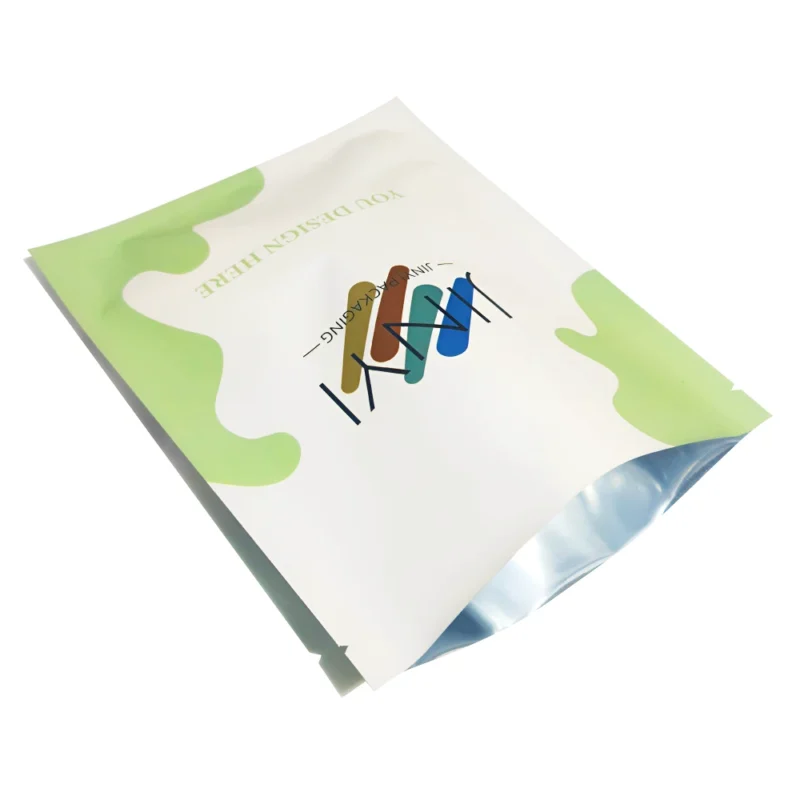
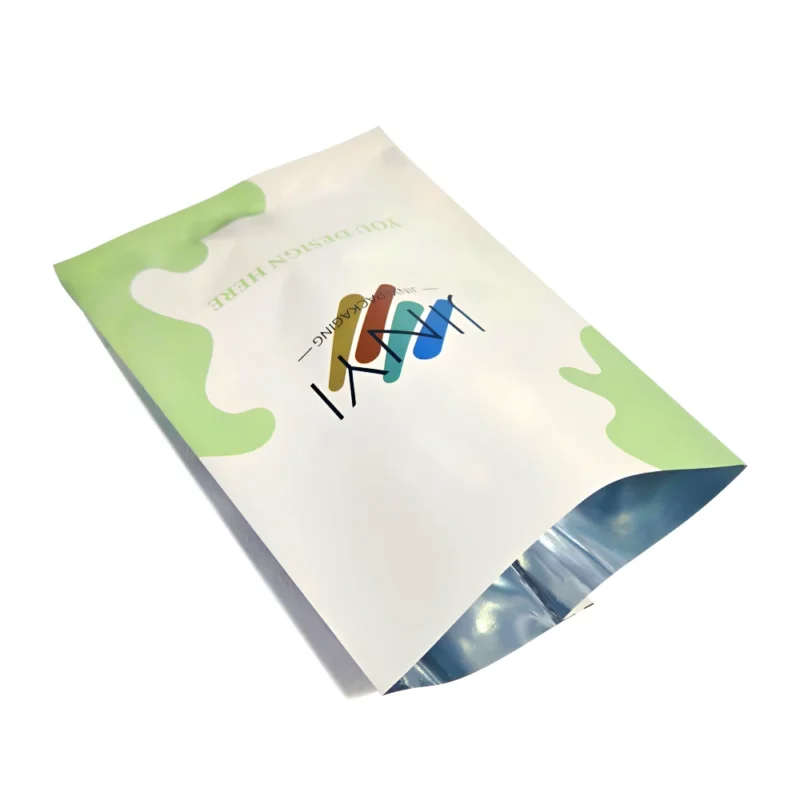
AG1 also offers a Travel Pack format — individual single-serve sachets, similar in structure to a pillow bag or back-seal pouch. Each sachet contains one 13g serving, designed for portability. The format is completely different from the main pouch: no zipper, no gusset, sealed on all sides, small enough to carry in a bag or pocket. It serves a different use case — convenience and trial — rather than everyday home use.
Note: The stand-up pouch and the travel sachet are engineered for completely different use cases. If you’re launching a supplement brand, the question isn’t which one to choose — it’s whether your product strategy requires both, and at what stage each format makes sense to introduce.
What Film Structure Is the Bag Made Of?
AG1 contains active probiotic cultures — and the bag notes that the pouch must be refrigerated after opening. This single fact tells you more about the film specification than any marketing description could. A product with live cultures has strict requirements for oxygen and moisture protection, because both will degrade the viable count of probiotics before the product is fully consumed.
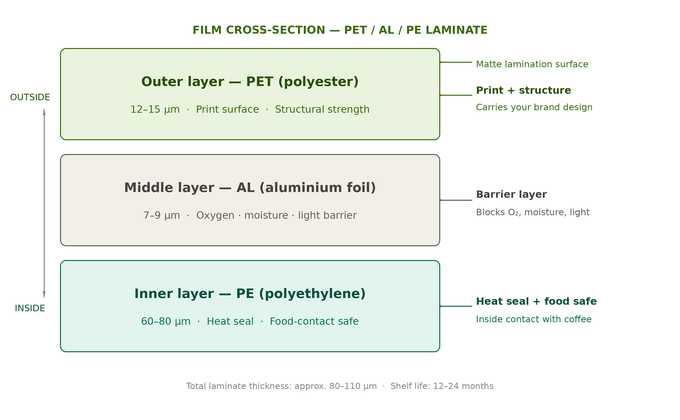
The film structure for a supplement pouch of this specification is a high-barrier laminate: PET / AL / PE.
| Layer |
Material |
Function |
| Outer |
PET (Polyester) |
Print surface · structural strength · scratch resistance |
| Middle |
AL (Aluminium Foil) |
Maximum oxygen · moisture · light barrier |
| Inner |
PE (Polyethylene) |
Heat seal · food-contact safe · product protection |
The aluminium foil layer is what makes this specification appropriate for AG1’s product. It delivers near-zero oxygen transmission rate (OTR ~0.01 cc/m²/day) and near-zero moisture vapour transmission rate (MVTR ~0.01 g/m²/day). For a product with live probiotics, these numbers matter — even small amounts of oxygen ingress over a 30-day consumption period can affect the viable count of probiotic cultures at the bottom of the pouch.

The same film structure applies to the Travel Pack sachets — the per-serving format needs identical barrier performance because each sachet may sit in a bag or pocket for days before use, in varying temperature and humidity conditions.
Tip: If your supplement contains probiotics, enzymes, or other moisture-sensitive active ingredients, the film specification is not a place to cut cost. The barrier layer you choose directly affects your product’s active ingredient count at the point of consumption, not just at manufacture.
Surface Finish and Design Approach
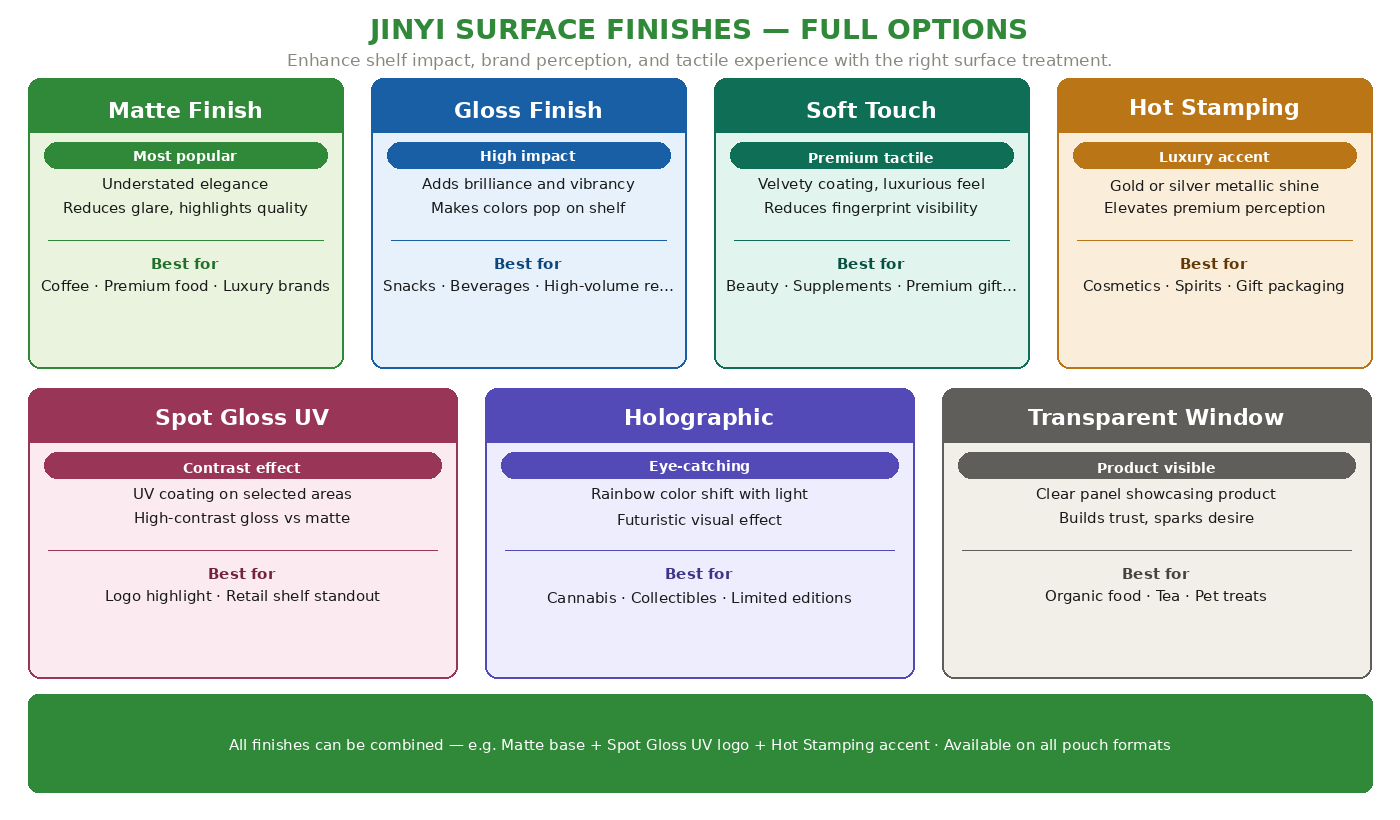
AG1’s packaging uses a full matte lamination across the entire bag surface. The signature dark green matte finish is one of the most deliberate packaging decisions the brand makes — it communicates scientific credibility and premium quality without relying on visual complexity.
Matte finishes reduce shelf glare, which makes the packaging easier to read under retail lighting. They also create a tactile premium feel that differentiates a product at the $79–$99 price point from standard supplement brands that typically use gloss. The matte surface also hides fingerprints and surface marks that would be visible on a gloss bag — important for a product that sits on a kitchen counter and is handled daily.

The design itself is deliberately minimal — the AG1 logo, a colour block, and structured text panels. This approach lets the packaging communicate confidence. A brand that lists 75+ ingredients on a single scoop can’t afford for its packaging to look cluttered. The matte surface and clean layout work together to make a complex product feel simple and trustworthy.
Tip: For supplement brands at a premium price point, matte lamination is almost always the right surface choice. It signals quality before the customer reads a single word on the label — and it ages better on shelf than gloss, which can show scuffs and handling marks over time.
How to Source the Same Packaging Structure for Your Supplement Brand
The stand-up pouch in PET/AL/PE with a resealable zipper and matte lamination is a standard production spec — available factory-direct without the premium that comes with ordering through a platform or intermediary.
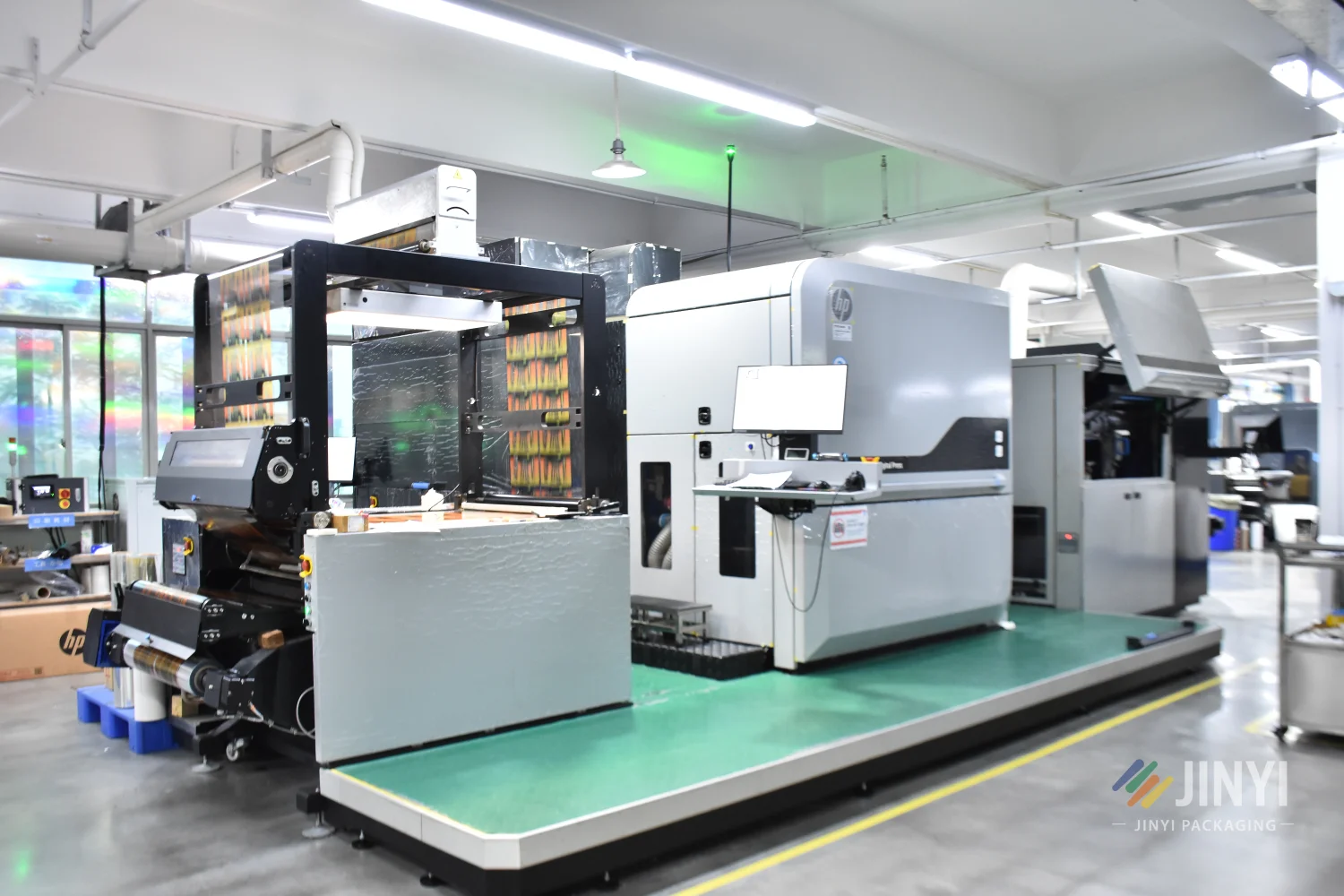
At JINYI, this structure is available from 500 units via HP digital print — no plate fee, full material spec sheet provided, and FDA food-contact certification available on request. The zipper profile, bag dimensions, and matte finish are all fully specifiable to your product’s requirements. If your product contains probiotics or other moisture-sensitive actives, we can confirm the OTR and MVTR ratings for your specific film before you place your first order.
For brands also considering a travel or single-serve format, the pillow bag sachet structure uses the same film specification in a back-seal format — heat sealed on all four sides, no zipper, sized for single-serving fills. You can explore our stand-up pouch range and our pillow bag packaging to see both formats in detail.

Get a Quote for Your Supplement Pouch
Tell us your product type, fill weight, active ingredients, and target shelf life. We’ll recommend the right film structure, confirm the barrier specs, and come back with a quote within 24 hours.
Stand-up pouches and travel sachets available factory-direct from 500 units. FDA food-contact certification on request.
Explore Supplement Pouches →