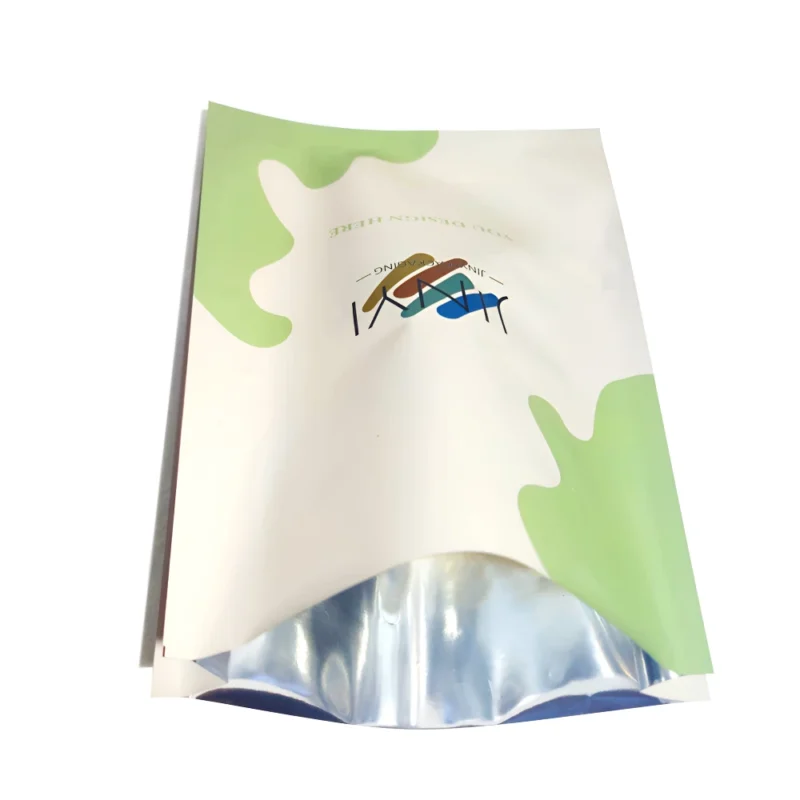
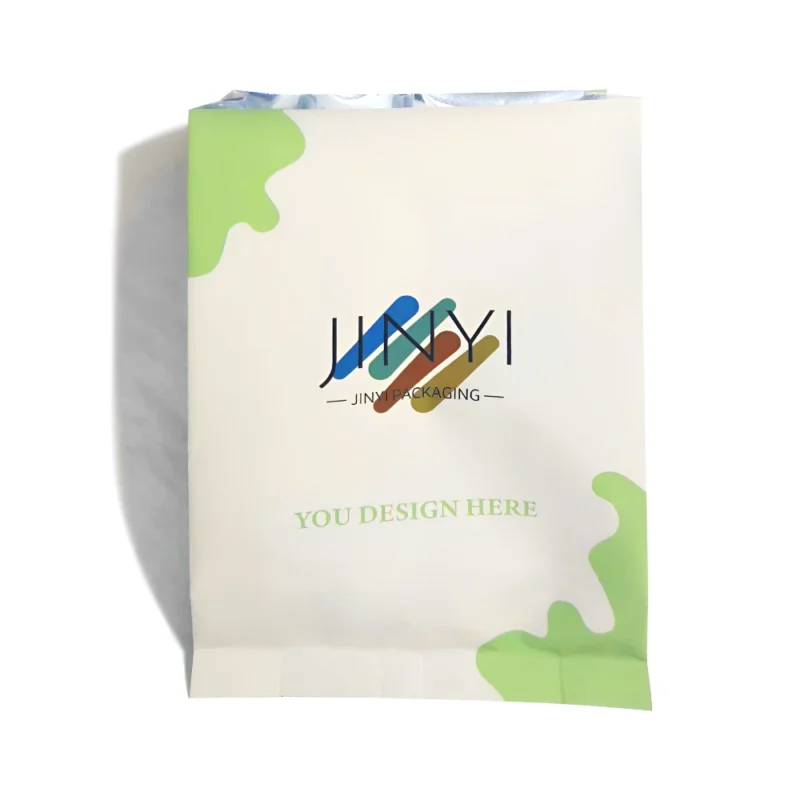
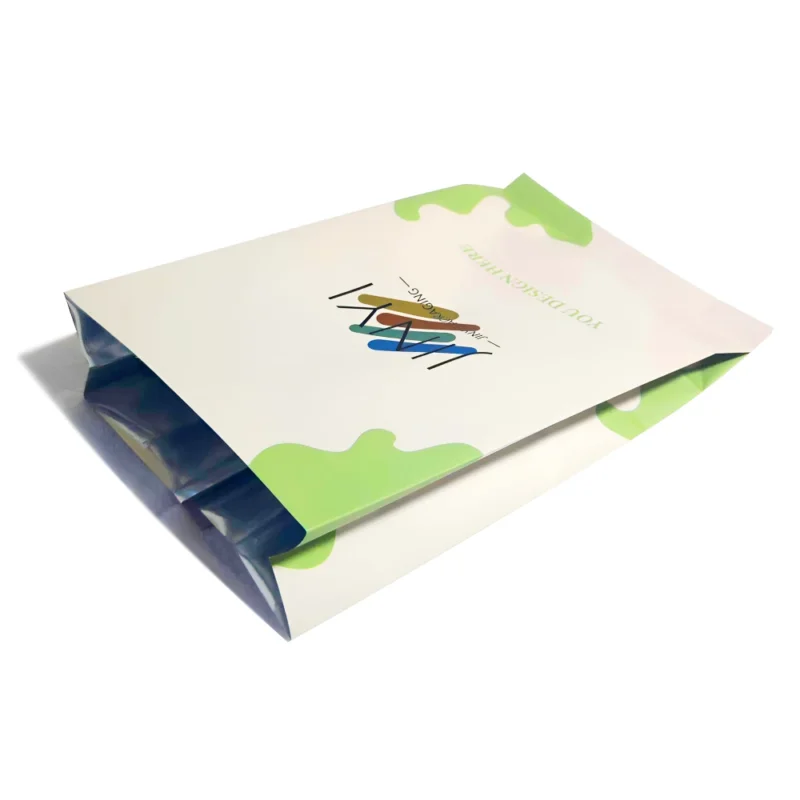
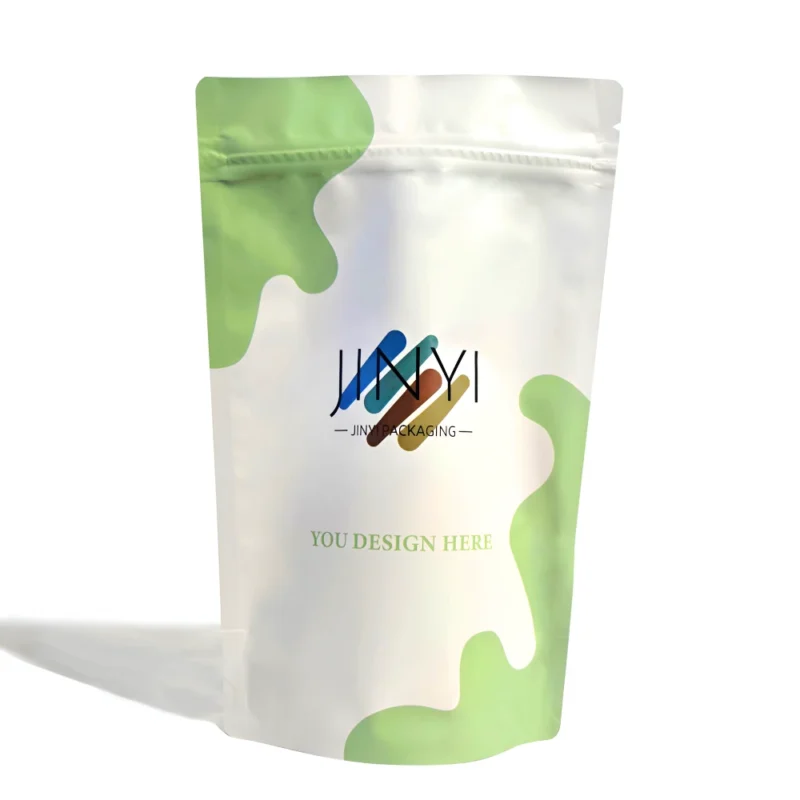
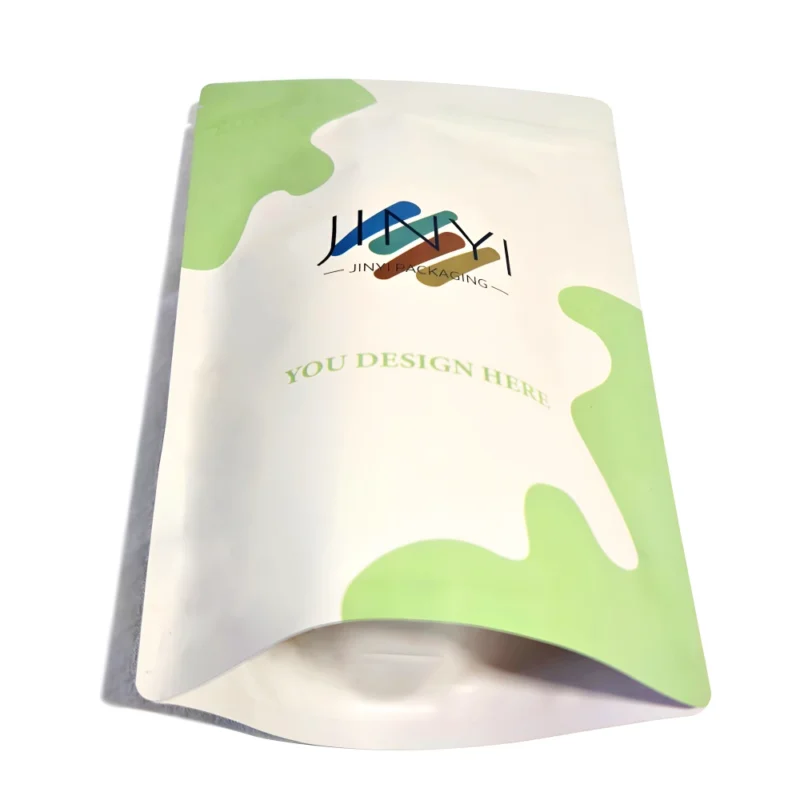
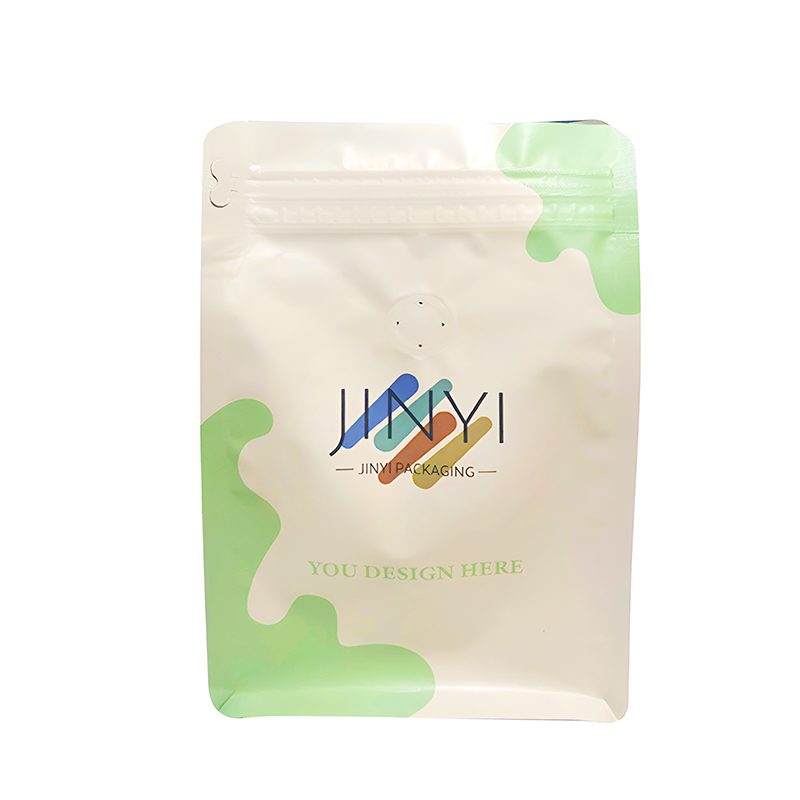
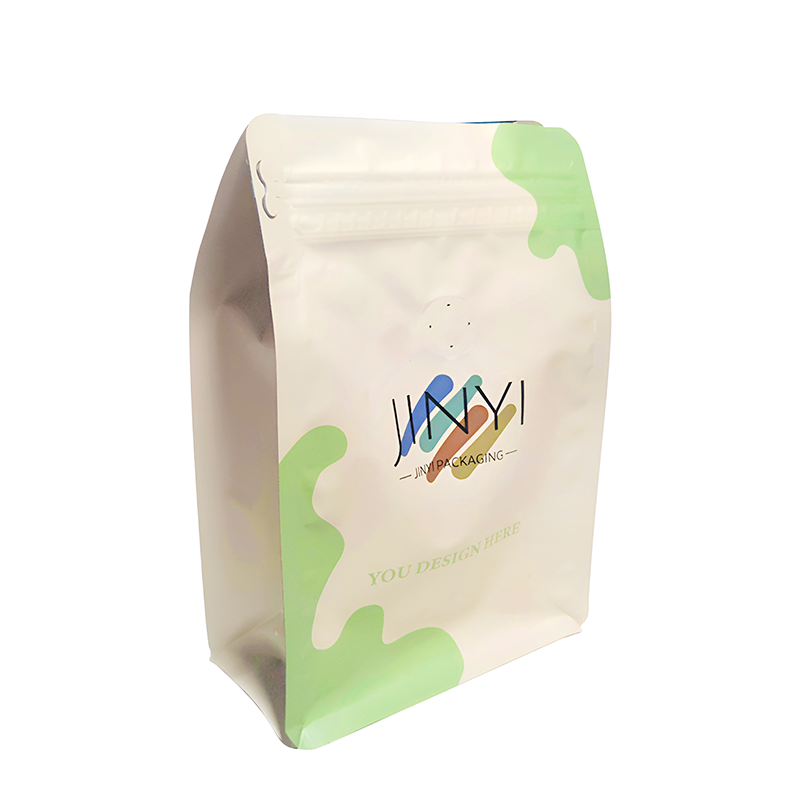
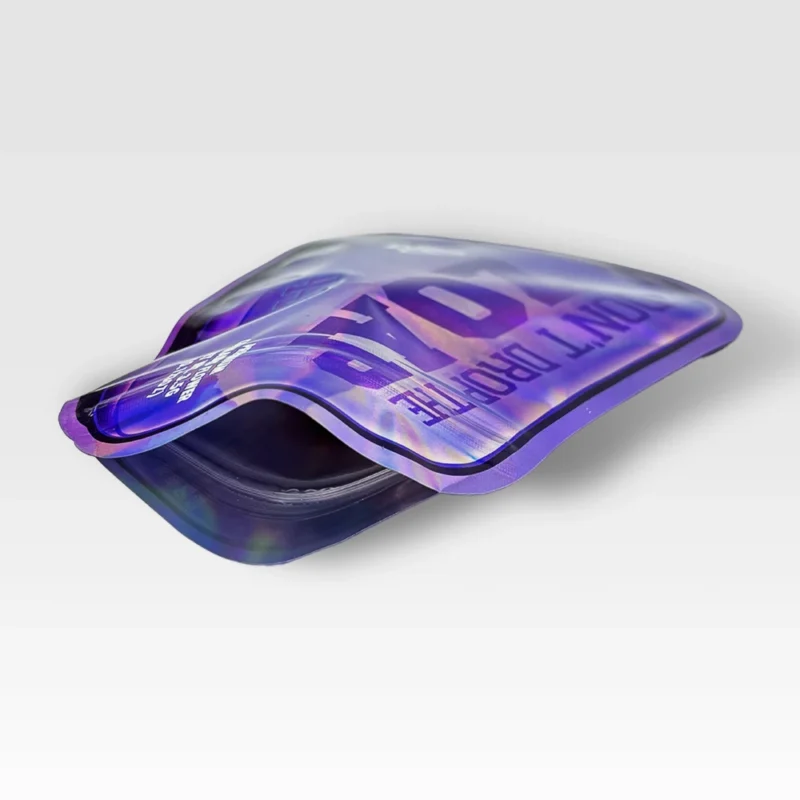
Noissue works for a first order. But once you start reordering — or once your product needs a specific barrier, a custom size, or a certifiable material — the platform model stops working in your favour. The real alternative to Noissue isn’t another platform. It’s a direct factory relationship that gives you five things Noissue can’t. If you want to see what that looks like in practice, start with our custom pouch range — every format, spec, and finish option in one place.

Alternative 1: Pay Factory Cost, Not Platform Price
Every order you place through Noissue includes a platform margin — the cost of their brand, their tech, and their customer service layer, baked invisibly into your unit price. You’re not paying for better packaging. You’re paying for the convenience of not talking to a factory directly.
A direct factory charges you material cost plus production cost. That’s it. No platform fee, no reseller margin. At 1,000 units, the difference is noticeable. At 10,000 units, it’s a significant part of your margin. The packaging doesn’t change — the price structure does.
| Order Volume |
Platform Pricing |
Factory-Direct Pricing |
| 500 units |
Higher — margin embedded |
Cost-based from $0.45–0.80/unit |
| 3,000 units |
Modest discount applied |
Drops to $0.28–0.45/unit |
| 10,000+ units |
Still above factory cost |
Gravure pricing from $0.15/unit |
Tip: If you’re reordering the same SKU more than twice a year, the cost difference compounds fast. The earlier you switch to factory-direct, the more margin you recover per run.
Alternative 2: Order What You Actually Need, Not What the Platform Allows
Noissue sets its own MOQ tiers. You order within their system, not based on what your business actually needs. For a growing brand managing multiple SKUs or seasonal runs, that rigidity creates real inventory problems — you either over-order to hit the MOQ or under-order and run out.
A direct factory can match your order quantity to your actual demand. At JINYI, digital print runs start from 500 units with no plate fee — which means you can test a new SKU, run a seasonal design, or fulfil a smaller wholesale order without committing to quantities that don’t make sense for your business right now. When your volume grows, gravure printing kicks in with a much lower per-unit cost.
Tip: Digital print is the right choice for new SKUs and seasonal runs. Gravure is the right choice for established lines at volume. A factory that runs both gives you flexibility at every stage of your brand’s growth.
Alternative 3: Know Exactly What Film Your Pouch Is Made Of
Noissue tells you a bag is “eco-friendly” or “compostable.” What they don’t tell you is the film structure — which layers, what barrier rating, what oxygen transmission rate, what the heat seal spec is. For a brand with a logo on a tote bag, that might be fine. For a brand selling food, supplements, or coffee with a 12-month shelf life, it’s not enough.
When you source direct from a factory, you get the full spec sheet: outer film material, barrier layer, inner heat seal layer, lamination method, and any relevant certifications — FDA food contact, compostability standards, or recyclability documentation. That information protects you with retailers, regulators, and your own customers. You can’t get it from a platform.

| Information |
Noissue |
Direct Factory |
| Film structure |
Not disclosed |
Full spec sheet provided |
| Barrier rating |
Not disclosed |
OTR and MVTR on request |
| Food-contact cert |
Not available |
FDA / EU food-contact available |
| Compostability cert |
Brand claim only |
Certifiable with documentation |
Note: If your retailer or e-commerce platform asks for packaging compliance documentation, a platform cannot provide it. A factory can — and should, before you place your first bulk order.
Alternative 4: Build the Pouch Your Product Actually Needs
Noissue offers a fixed range of formats. You choose from what they have. If your product needs a specific width, a particular zipper profile, a flat-bottom structure, a one-way degassing valve, or a spout — you’re outside their system. You end up compromising on packaging structure to fit the platform’s options, rather than designing packaging around your product’s actual requirements.
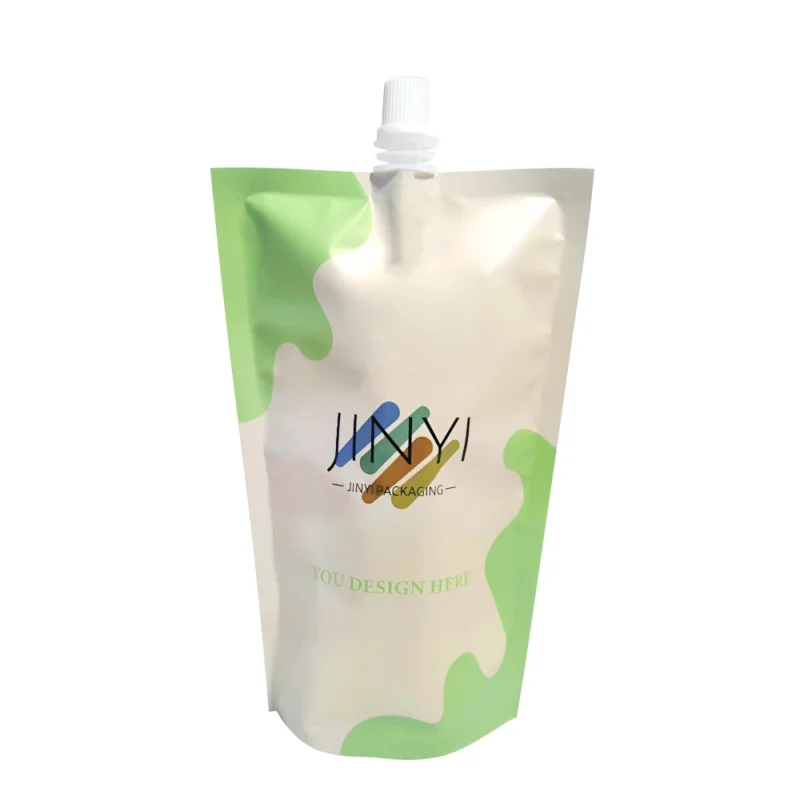
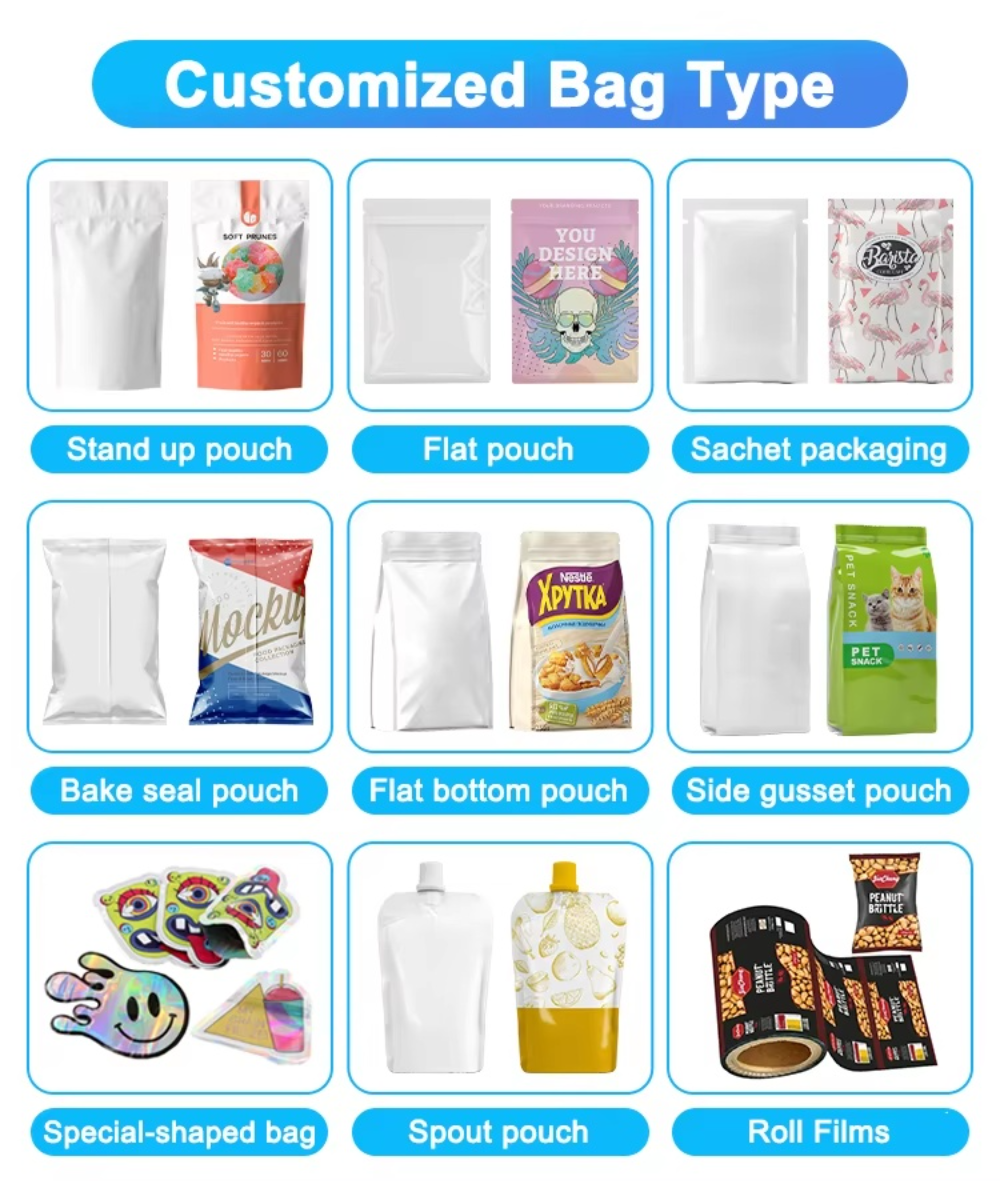
A direct factory gives you full structural control. Stand-up pouches, flat pouches, side gusset bags, quad seal flat-bottom bags, spout pouches, die-cut shapes — any size, any finish, any accessory. If you have a specific structure in mind, you specify it. If you’re not sure what structure works best for your product and channel, a good factory team will help you work it out before sampling. That’s a very different conversation from clicking through a platform’s preset options.
Tip: Always confirm your pouch structure with a physical sample before bulk production. What looks right on a mockup doesn’t always perform correctly on a fill line or in transit.
Alternative 5: Back Your Sustainability Claims with Real Documentation
Noissue’s sustainability positioning is a core part of their brand — and it works well as marketing. But if you need to substantiate your own brand’s sustainability claims with actual documentation, a platform’s eco branding doesn’t transfer to your product. Your retailer doesn’t care what Noissue says. They want to see your packaging’s certification.
Sourcing direct from a factory gives you access to the underlying material certifications — compostable films with TÜV or BPI certification, recyclable mono-material structures, FSC-certified kraft paper options — with documentation you can share with buyers, retail partners, or regulatory bodies. The sustainable material is the same. The difference is that you own the paper trail, not the platform.
At JINYI, we’ve worked with brands at every stage of their sustainability journey — from first-time buyers switching from standard laminates to established brands needing full compostability certification for European retail. You can learn more about how we work on our about page.
Note: Ask for the specific certification standard before ordering — TÜV OK Compost HOME and BPI are the most widely recognised. Not all “compostable” films meet the same standard.
Which Alternative Is Right for You?
The five alternatives above aren’t separate options — they’re five reasons the same switch makes sense. If even one of them applies to your situation right now, factory-direct sourcing is worth a conversation. Use this table to find your entry point.
| If you need… |
Start here |
| Lower unit cost on reorders |
Alternative 1 — factory pricing |
| Flexible order quantities per SKU |
Alternative 2 — MOQ flexibility |
| Film specs and compliance documentation |
Alternative 3 — material transparency |
| A specific structure, size, or accessory |
Alternative 4 — structural control |
| Certifiable sustainable packaging |
Alternative 5 — sustainability docs |
If you want to understand the full cost and capability difference before reaching out, our earlier breakdown of Noissue vs direct factory pricing covers it in detail.

Ready to Move Past the Platform?
Lower cost, flexible MOQ, full material specs, complete structural control, and certifiable sustainability — all five are available factory-direct, from your first sample through to scale.
Tell us your product, your current order volume, and what’s not working with your current supplier. We’ll come back with a spec recommendation and a quote — usually within 24 hours.
Explore Factory-Direct Custom Pouches →
About JINYI
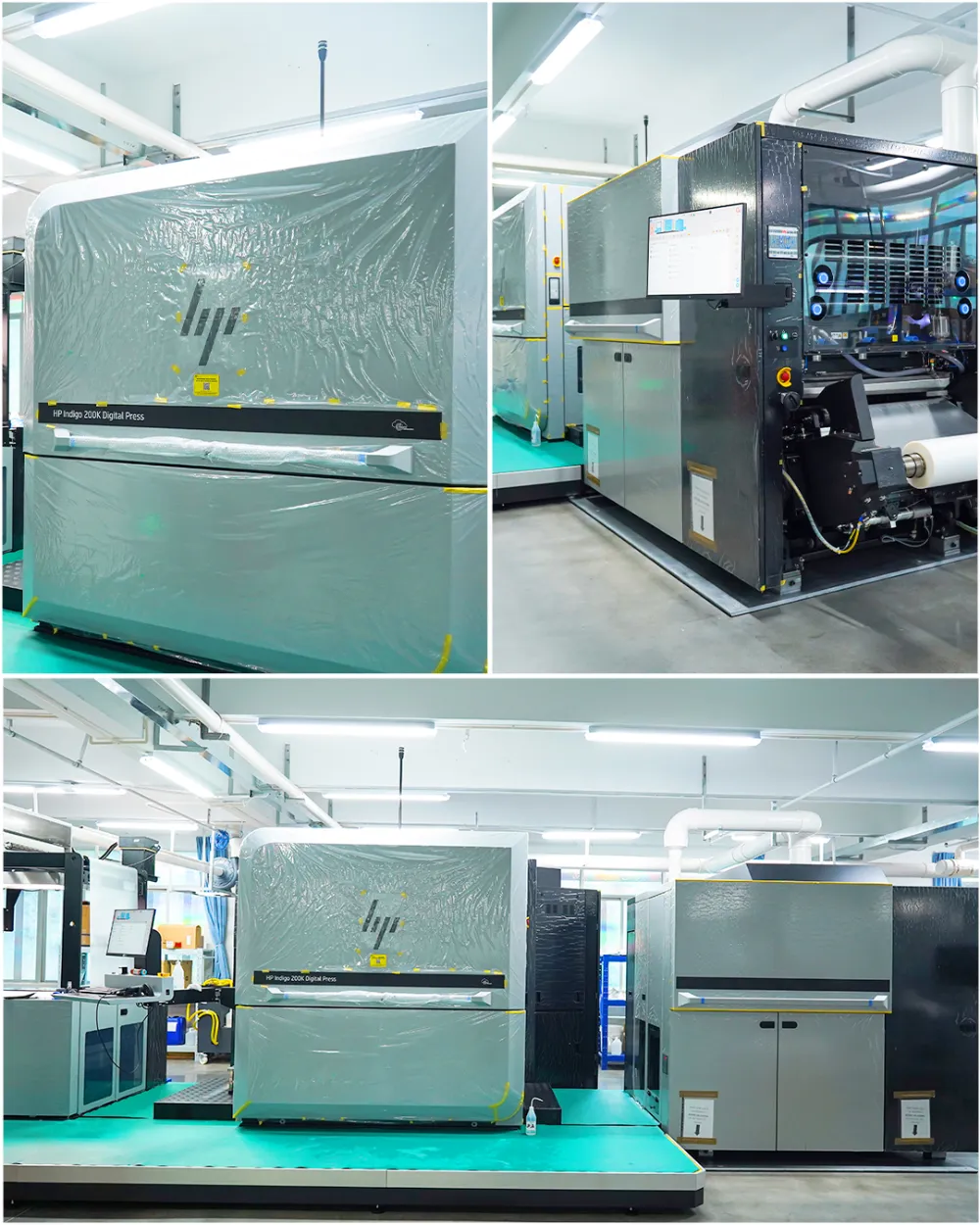
JINYI is a source factory for custom flexible packaging, with 15+ years of production experience serving food, supplement, coffee, and consumer goods brands globally. Our facility runs multiple gravure printing lines alongside HP digital print systems — supporting both large-volume consistency and small-batch flexibility from the same production floor.
From material selection to finished pouch, every client gets full visibility into film specs, production timeline, and quality control. That’s what From Film to Finished — Done Right means in practice.