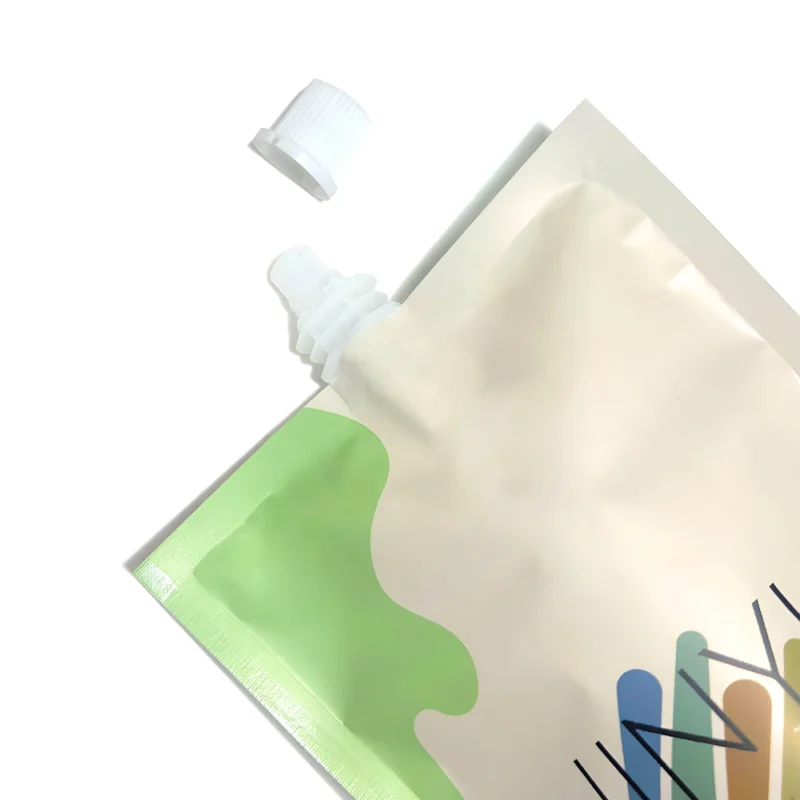
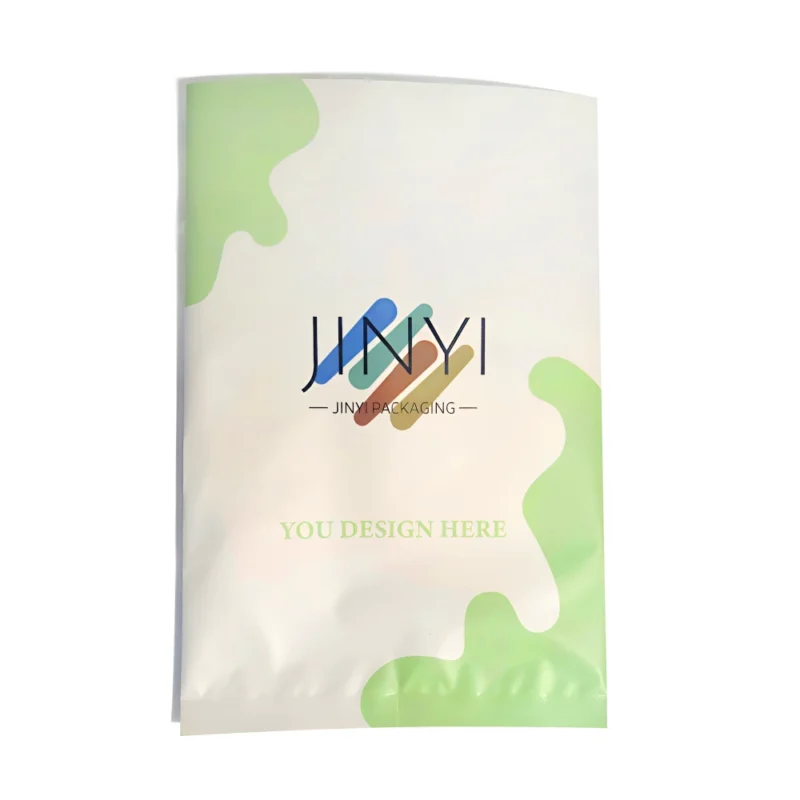
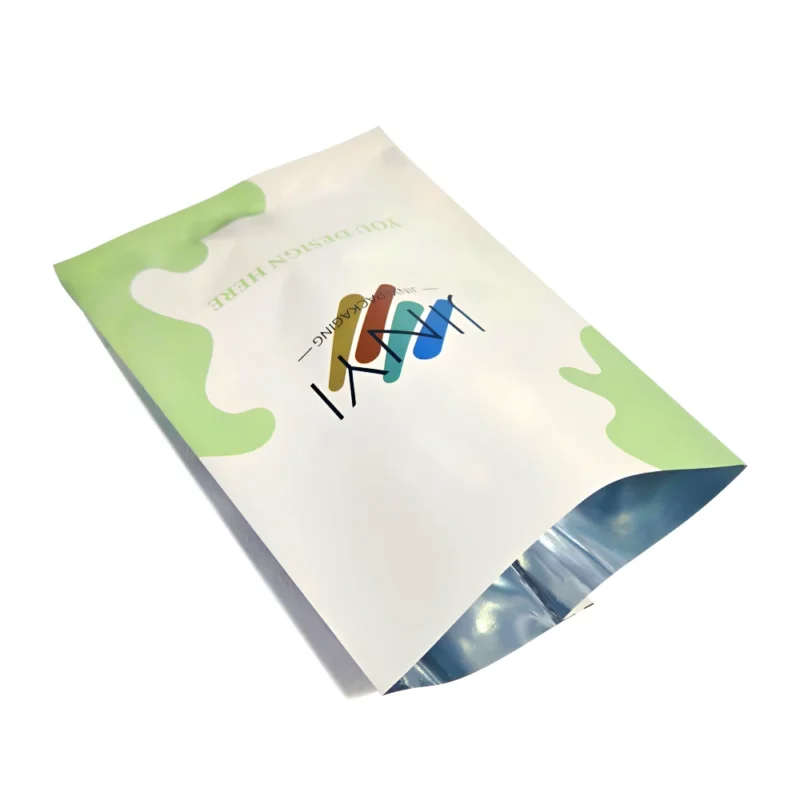
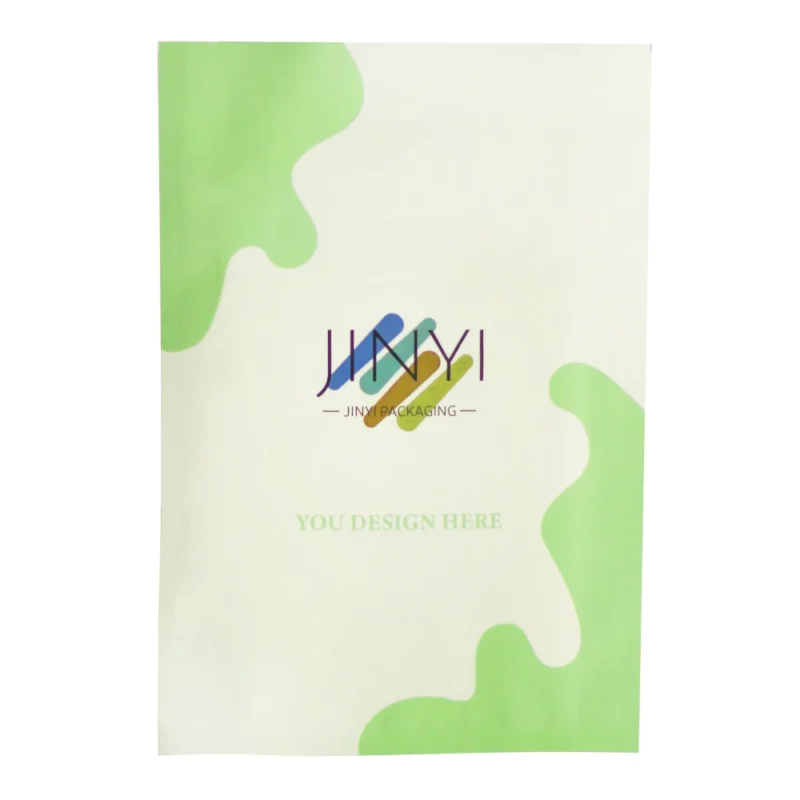
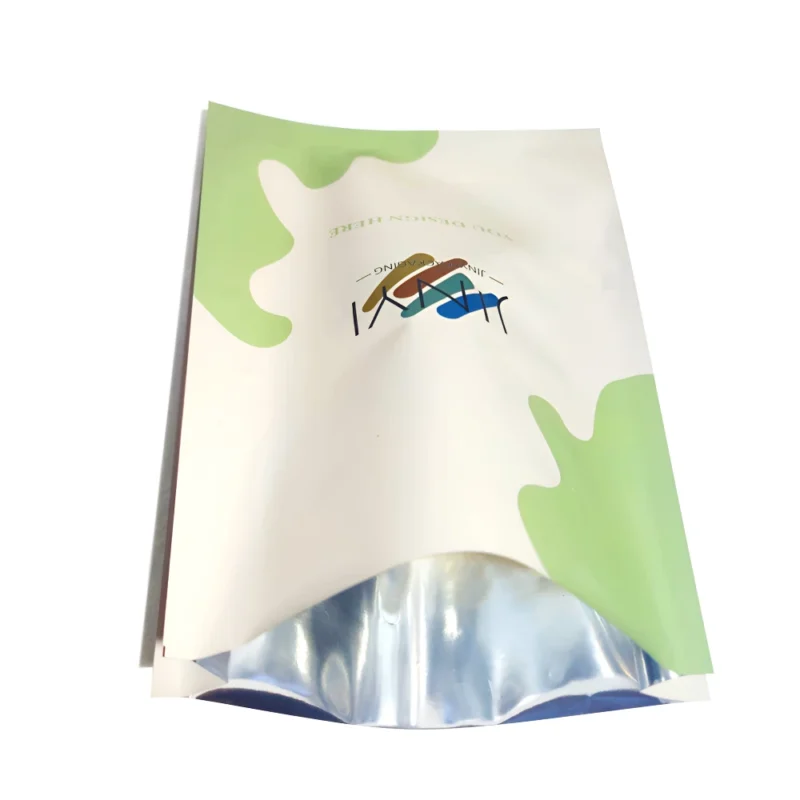
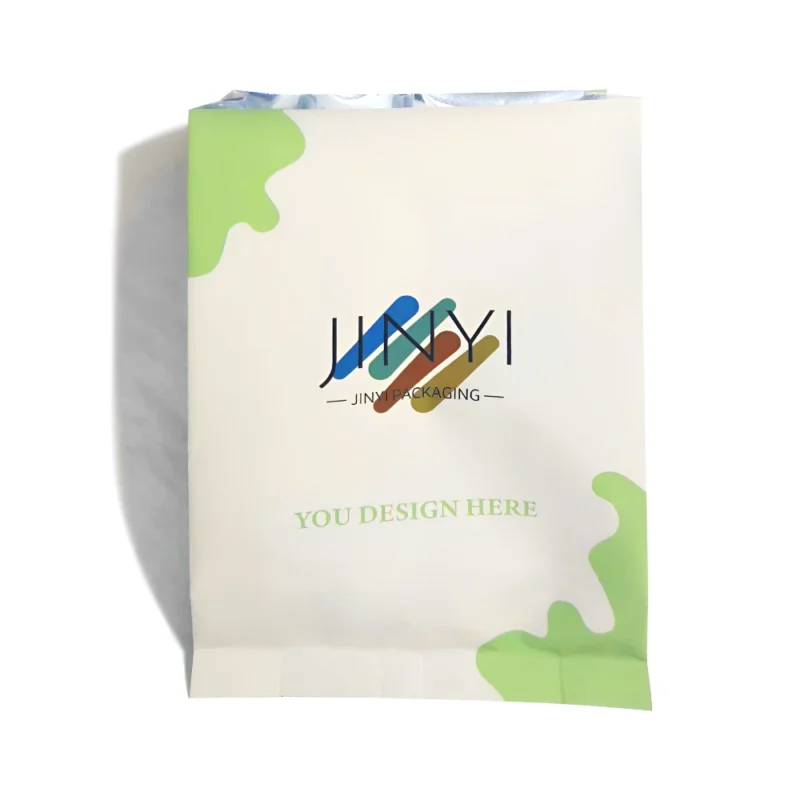
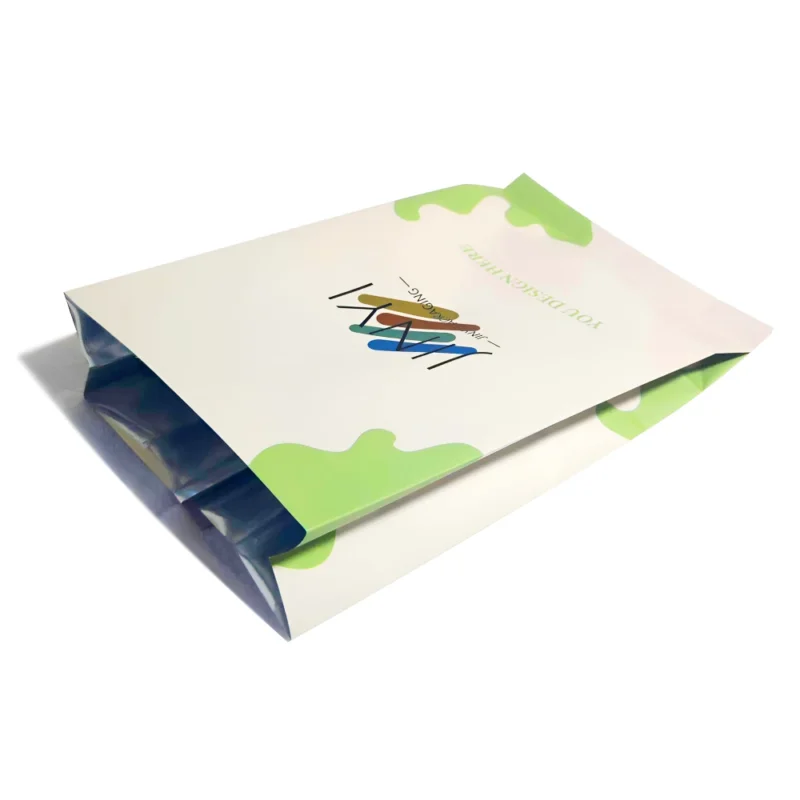
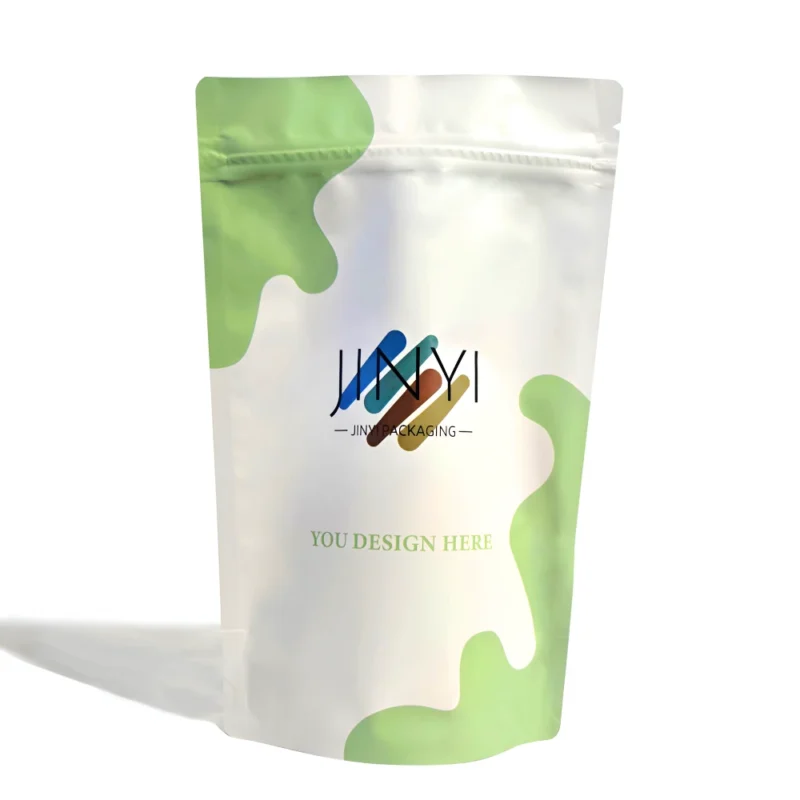
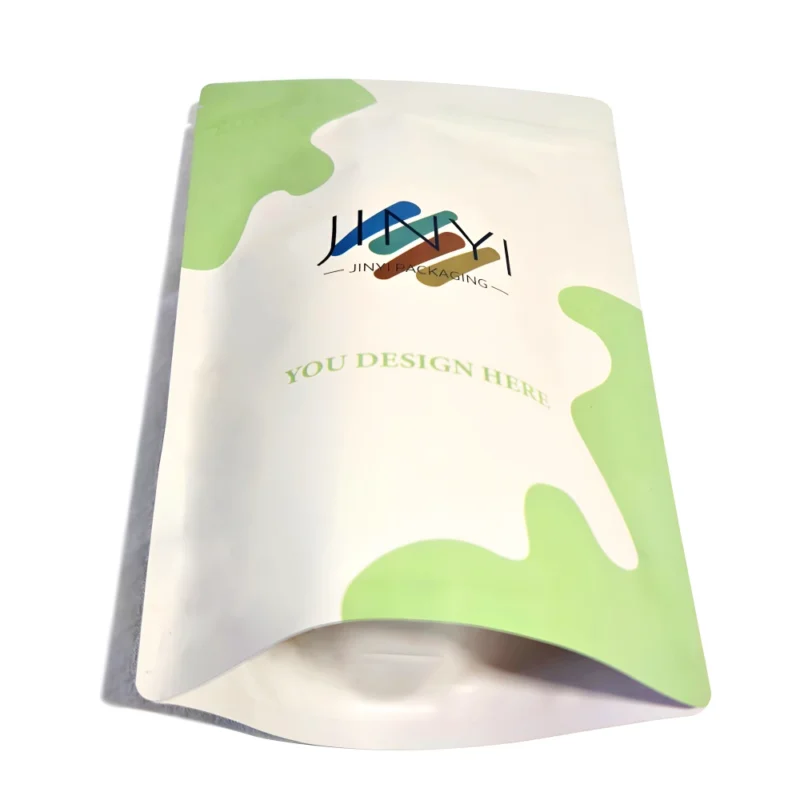
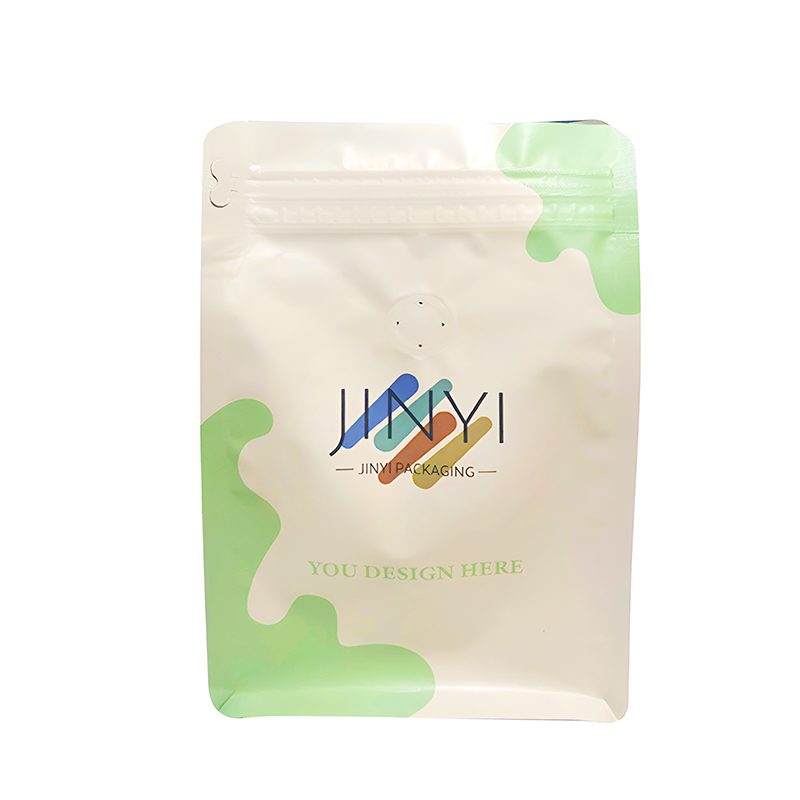
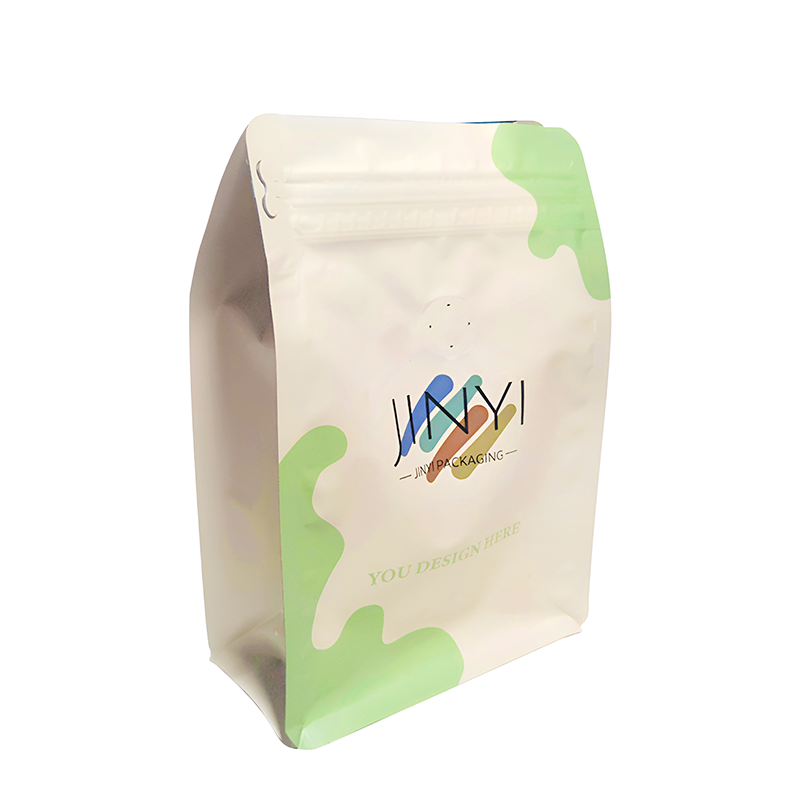
JINYI shares practical packaging guidance for your decisions.
Choosing the wrong packaging supplier doesn’t just affect your unit cost — it affects your MOQ, your lead time, your ability to scale, and whether your packaging actually performs on shelf or in transit. Noissue looks clean and easy to use, but once you look past the interface and into the numbers, the picture changes fast. In this guide, I’ll break down exactly what you’re buying with each option, so you can make the right call before your next order. If you want to see what factory-direct sourcing covers end to end, our industry packaging solutions are a good starting point.

Key Takeaways
- Avoid assuming Noissue’s listed price is your real cost — platform markup, shipping surcharges, and rigid MOQ tiers all add to the total.
- Pick a direct factory if you need flexibility on quantity, material specs, barrier rating, or structure.
- Use Noissue only if you need a fast, one-off order with no customization beyond your logo.
- Think about material transparency — a factory tells you the exact film structure and barrier spec; a platform doesn’t.
- Plan your reorder path early — the brands that switch to factory-direct after their first batch recover significant margin per unit.
- Look at total landed cost, not just unit price, before making your final decision.
Overview of Noissue
Noissue is a New Zealand-based custom packaging platform that markets itself on sustainability, design simplicity, and a frictionless ordering experience. You upload your logo, pick a format, enter a quantity, and they handle fulfilment. For a first-time brand owner placing a small batch, that experience genuinely feels like a relief. No factory communication, no spec sheets, no artwork back-and-forth.
But here’s what that convenience actually costs you. Noissue is not a manufacturer. They source from third-party factories — often the same factories you could contact directly — and add a platform margin on top. That margin is built into the unit price, which means every order you place through them, you’re paying for their brand, their tech platform, and their customer support layer, whether you need those things or not. At low volumes and for simple orders, that premium might be worth it. At scale, it becomes a significant structural disadvantage.
The other limitation is customization. Noissue offers a curated range of pre-set formats. You choose from what they have. If your product needs a specific pouch width, a particular zipper profile, a one-way degassing valve, or a film with a defined oxygen transmission rate — Noissue cannot accommodate that. They also don’t disclose full film specs, which is a problem the moment your product has any regulatory, food-contact, or shelf-life requirement.

| Feature |
Noissue |
| Business Model |
Design platform + packaging reseller (not a manufacturer) |
| MOQ |
Typically 500–1,000 units minimum per SKU, fixed tiers |
| Pricing Model |
Fixed retail price with platform margin embedded |
| Material Transparency |
Eco claims visible; film structure and barrier specs not disclosed |
| Structural Options |
Pre-set formats only — no custom sizing or structural variation |
| Lead Time |
4–8 weeks depending on product and shipping region |
| Pros |
Cons |
| Easy online ordering — no factory communication needed |
Higher unit cost — platform margin built into every order |
| Strong eco-friendly brand positioning |
Pre-set formats only — no structural customization |
| Good for low-complexity first-time orders |
No film specs, barrier data, or compliance documentation |
| Handles fulfilment end-to-end |
Not cost-efficient beyond the first few reorders |
Tip: Noissue works for a launch batch where speed and simplicity matter more than cost. Once you’re reordering the same SKU more than twice a year, the unit economics stop working in your favour.
Overview of a Direct Flexible Packaging Factory
A direct factory — like JINYI — is where your pouches are actually made. There’s no platform between you and the production line. You’re not paying for a brand story or a reseller margin. You’re paying for material, print, and production. And because you deal directly with the factory, you get full visibility into every variable: film structure, barrier rating, lamination method, seal strength, and per-unit cost breakdown at different volumes.
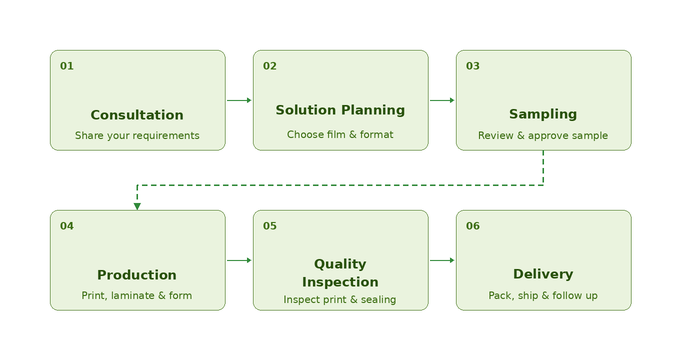
For any brand that’s past the sampling stage and placing regular orders, factory-direct is the natural next step. The communication requires more upfront effort — you’ll need to share specs, confirm artwork, and review a physical sample before bulk production. But that process is also what gives you control. You know exactly what you’re getting before a single unit ships.

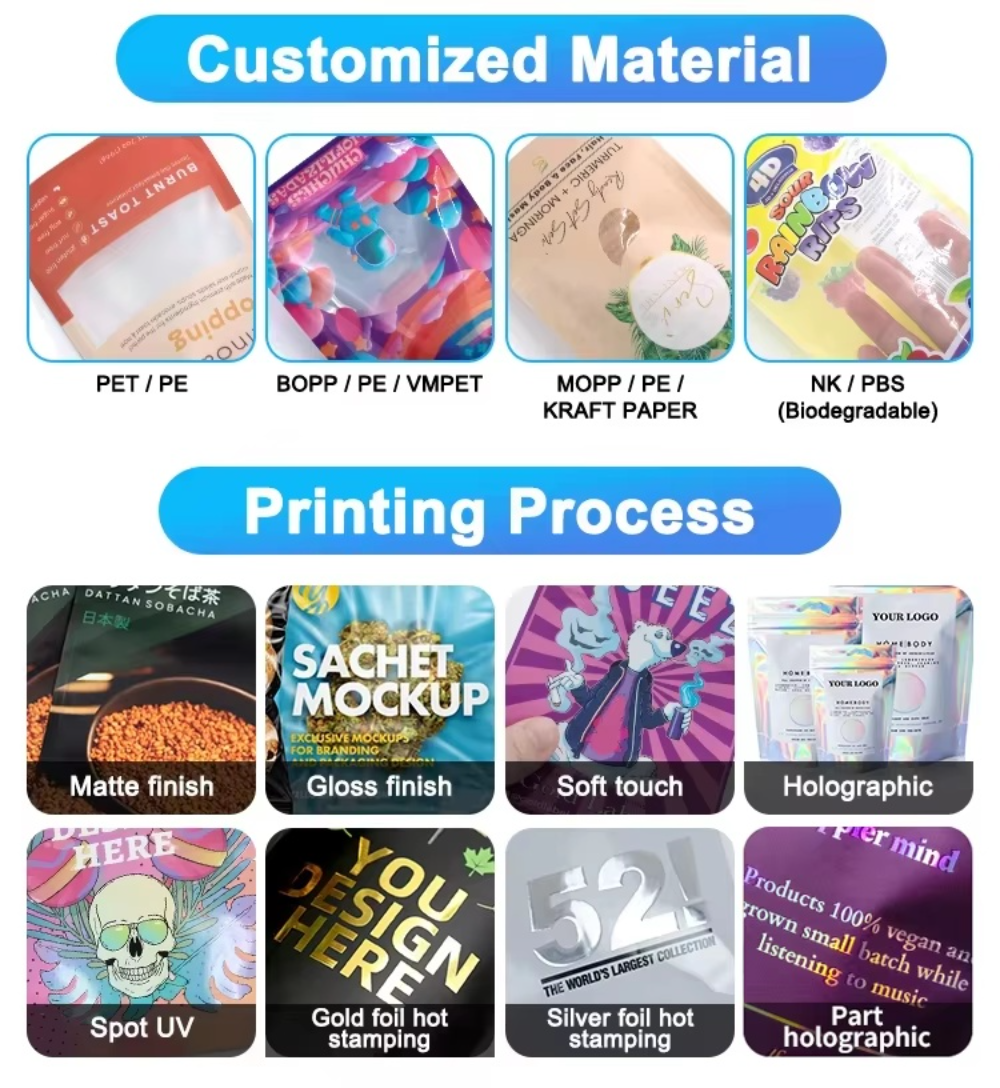
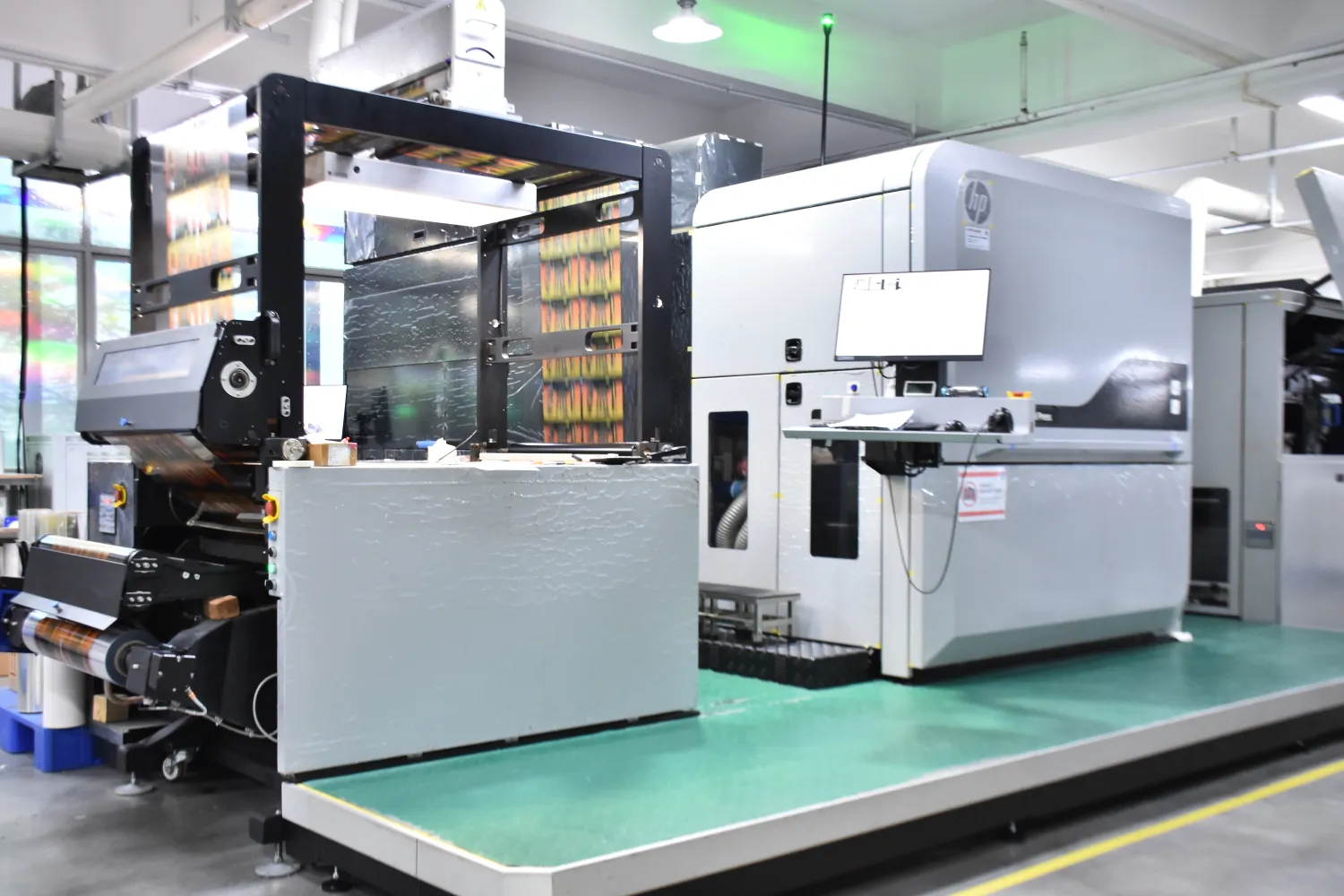
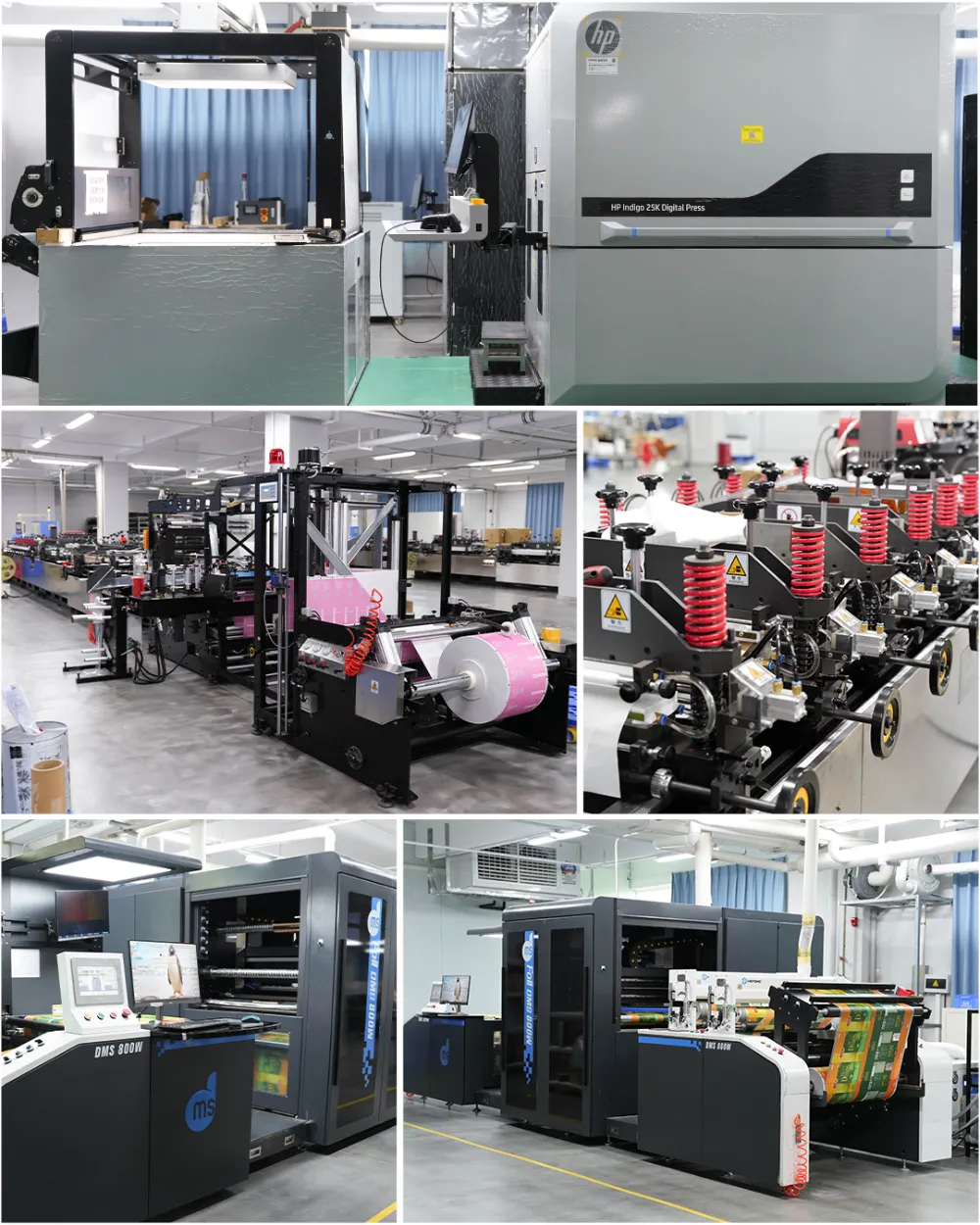
At JINYI, we run both gravure printing lines for large-volume consistency and HP digital print systems for smaller, flexible runs. That means your first order of 500 units and your tenth order of 50,000 units can both be handled without switching suppliers or renegotiating your specs. The film structure you approved on your first sample is the one that ships on every reorder. That kind of consistency is something no platform can guarantee, because they’re not controlling the production.
| Feature |
Direct Factory (JINYI) |
| Business Model |
OEM source factory — you deal directly with production |
| MOQ |
From 500 units (digital print); 3,000+ units (gravure) |
| Pricing Model |
Cost-based — material + print + production, no platform fee |
| Material Transparency |
Full — film structure, barrier spec, certifications on request |
| Structural Options |
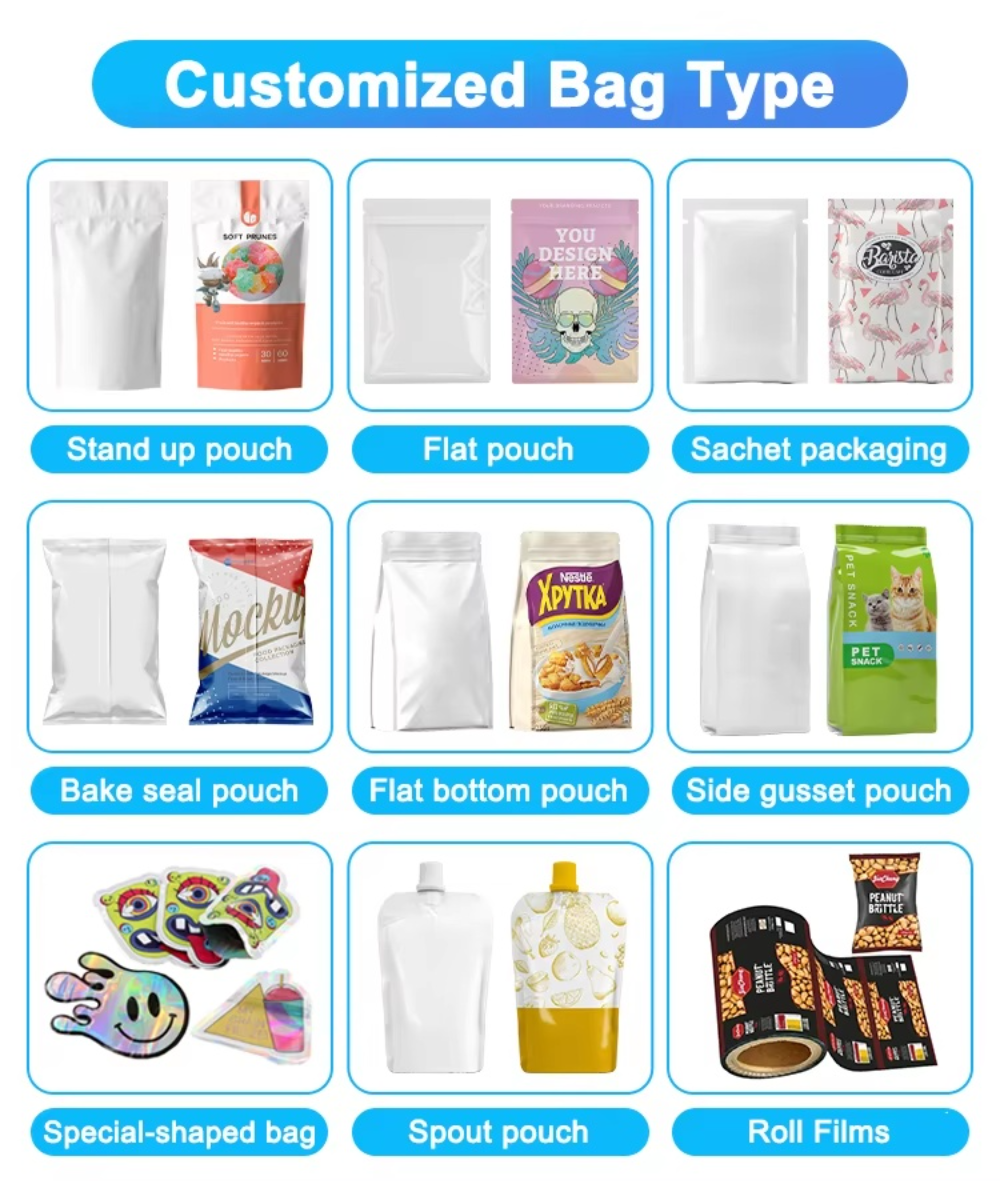
Stand-up, flat, side gusset, spout, valve, custom size — fully flexible |
| Lead Time |
7–12 days (digital); 15–25 days (gravure) after artwork approval |
| Pros |
Cons |
| Lower unit cost — no platform margin |
Requires more upfront spec communication |
| Full material and barrier spec transparency |
Artwork files must be print-ready before production |
| Complete structural and size customization |
Sample lead time required before bulk confirmation |
| Unit price drops significantly at volume |
Less plug-and-play than a platform ordering experience |
Tip: If you need to know your film’s oxygen transmission rate, whether it’s food-contact certified, or what the seal peel strength is — a factory gives you that data. A platform won’t.
Noissue vs Direct Factory: Full Comparison
Most buyers focus on unit price when comparing suppliers. That’s the right instinct, but it’s only part of the picture. Lead time, material control, structural flexibility, and what happens when something goes wrong — all of these affect your real cost per order. Here’s the full side-by-side across every dimension that matters.

| Dimension |
Noissue |
Direct Factory (JINYI) |
| Unit Price |
Higher — platform margin included |
Lower — cost-based, no markup layer |
| MOQ Flexibility |
500–1,000 units, fixed tiers |
From 500 (digital) — flexible by print method |
| Savings at Scale |
Modest volume discount |
Significant drop per 10,000+ units (gravure) |
| Material Specs |
Eco claims only — no film detail disclosed |
Full structure + barrier + cert documentation |
| Structural Range |
Pre-set formats only |
Stand-up, flat, gusset, spout, valve, custom size |
| Print Method |
Digital only |
Digital (HP) + Gravure for large-volume runs |
| Lead Time |
4–8 weeks |
7–25 days after artwork approval |
| Sustainability |
Branded eco materials — certs not always available |
Compostable, recyclable, kraft — full certification available |
| Problem Resolution |
Platform support team — indirect access to production |
Direct — one contact handles production and logistics |
| Reorder Consistency |
Dependent on platform’s supplier relationships |
Same film, same spec, locked in from first sample approval |
Note: The biggest hidden cost with platforms isn’t the unit price — it’s the ceiling on customization and the lack of spec documentation. Once your product has any regulatory or shelf-life requirement, a platform can’t deliver what you need.
Which One Should You Choose?
The honest answer depends on where your brand is right now — not which option sounds more appealing. A platform suits a specific moment in a brand’s life. A factory suits everything that comes after. Use this table to find your fit.
| If you are… |
Choose… |
Reason |
| Placing a first batch with no reorder plan yet |
Noissue |
Speed and simplicity outweigh cost at this stage |
| Reordering the same SKU more than twice a year |
Direct Factory |
Unit cost savings compound fast — margin recovery is immediate |
| Selling on Amazon FBA and need spec documentation |
Direct Factory |
Film cert and food-contact compliance only available from factory |
| Packaging coffee, supplements, or pet food |
Direct Factory |
Barrier spec and valve options are outside platform range |
| Building a sustainable brand with certifiable claims |
Direct Factory |
Full material traceability and certification documentation available |
| Scaling to 10,000+ units per production run |
Direct Factory |
Gravure printing unlocks significantly lower per-unit cost |
Tip: Most brands use a platform for their launch batch, then switch to factory-direct on their second or third reorder. The earlier you make that switch, the more margin you recover — and the more control you gain over your product.
Practical Considerations Before You Order
Regardless of whether you go platform or factory-direct, there are things you need to have ready before you place any order. Getting these right upfront saves weeks of back-and-forth and avoids the most common reasons orders get delayed or go wrong.

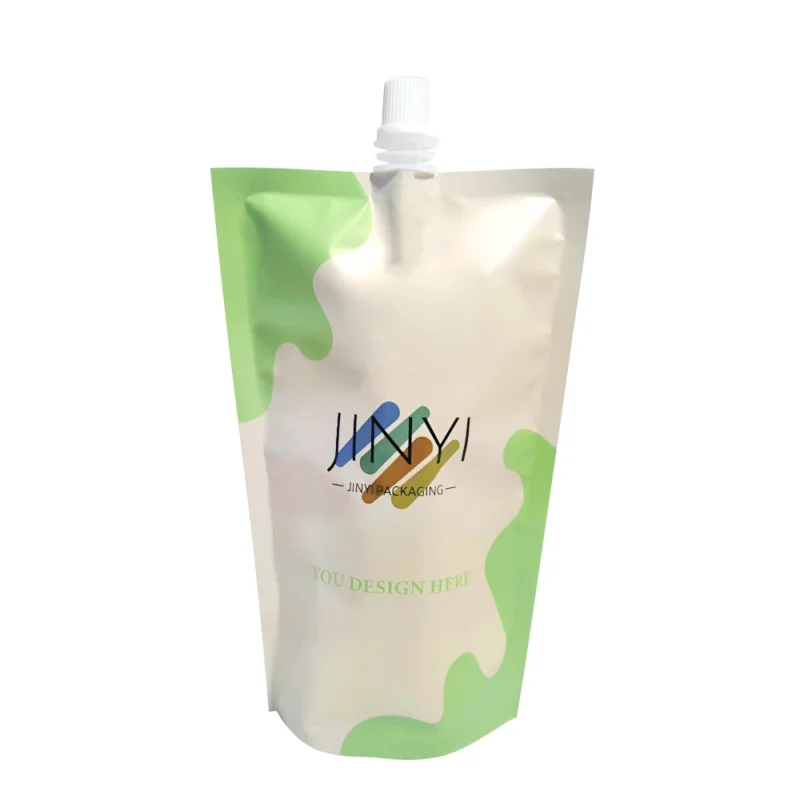
The first thing to nail down is your pouch type and dimensions. Not every supplier offers every format, and the wrong format for your product or channel can cost you on shelf display, freight efficiency, or fill-line compatibility. If you’re not sure which structure fits your product, our custom pouch range covers stand-up, flat, side gusset, spout, and more — with full spec sheets available on request.
| Consideration |
What to Know Before You Order |
| MOQ by Print Method |
Digital print at JINYI starts from 500 units with no plate cost — ideal for new SKUs or test runs. Gravure starts from 3,000 units and delivers lower per-unit cost for established lines. |
| Sampling |
Always request physical printed samples before bulk. Color on screen and color on laminated film are different — especially for matte finishes and metallic inks. A sample fee is standard and is typically credited against your bulk order. |
| Artwork Requirements |
Factories require print-ready AI or PDF files with correct colour profiles. If you only have a logo, ask your supplier for a dieline template first. This avoids one of the most common delay points in the ordering process. |
| Lead Time Reality |
Digital runs take 7–12 days. Gravure runs take 15–25 days. Both timelines start from artwork approval — not from order placement. Plan your inventory accordingly, especially if you have launch dates or seasonal peaks. |
| Payment Terms |
Standard factory terms are 30–50% deposit with balance before shipment. Platforms charge full amount upfront. For ongoing orders with an established factory, payment terms often improve with order history. |
| Certifications |
Ask for FDA food-contact compliance, compostability certs, or other documentation upfront if your market or retailer requires them. A factory can provide these; a platform typically cannot. |
Note: The single most common delay in custom packaging orders is artwork that isn’t print-ready. Have your dieline confirmed and your files checked before you submit — it cuts production time significantly.
Applications by Industry
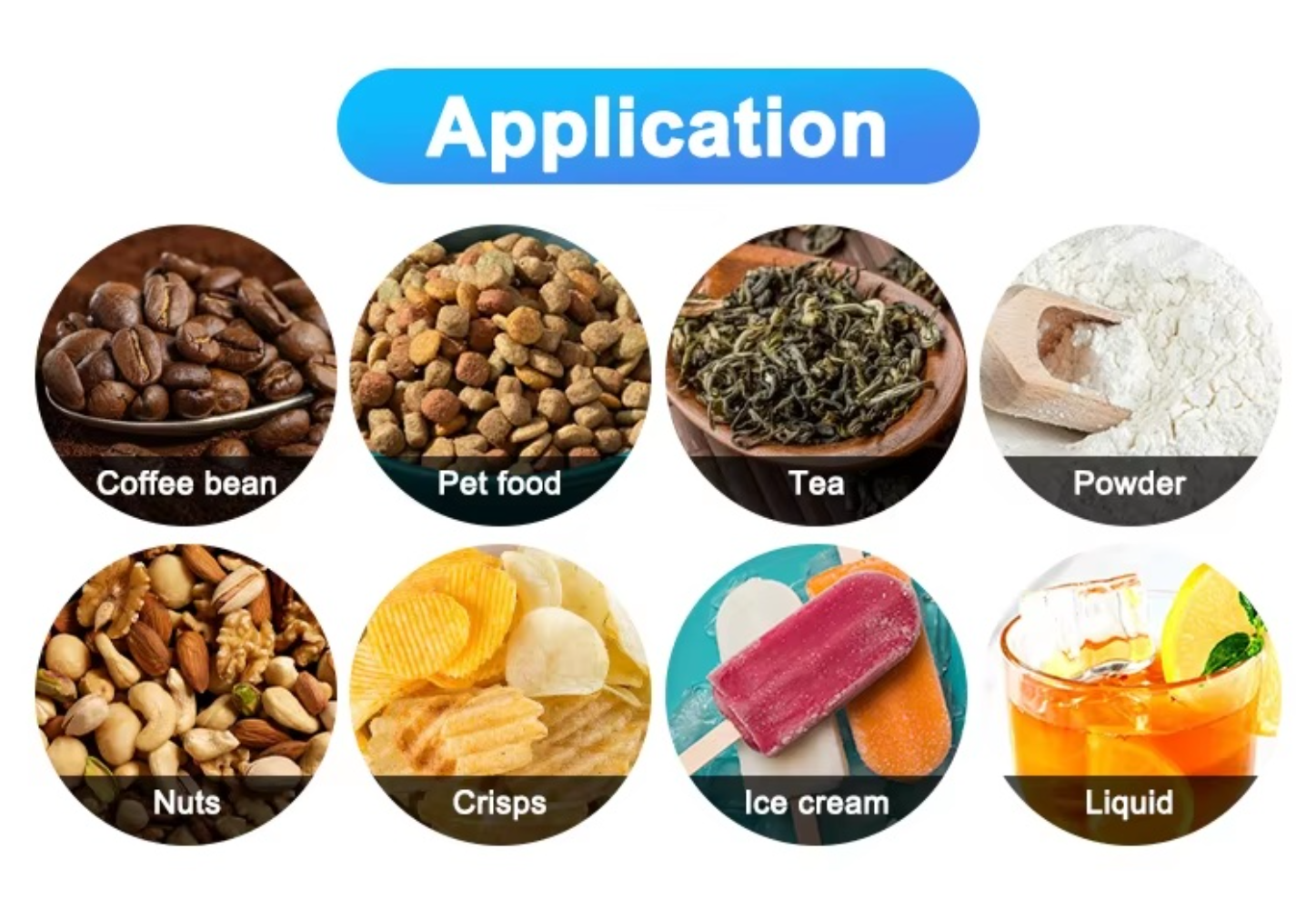
Factory-direct sourcing makes the strongest case when your packaging needs to do more than carry a logo. Different industries have different requirements — and most of those requirements sit outside what a platform can deliver.

| Industry |
Key Packaging Requirement |
Why Factory-Direct Wins |
| Coffee & Tea |
One-way degassing valve, high oxygen barrier, aroma retention |
Valve type and film barrier rating cannot be specified through a platform |
| Supplements & Powder |
Food-contact certification, moisture barrier, resealable zipper |
FDA compliance documentation only available direct from factory |
| Pet Food & Treats |
Grease resistance, strong heat seal, large format options |
Custom sizes and heavy-duty films outside any platform’s range |
| Snacks & Confectionery |
High-gloss print impact, shelf presence, zipper reseal |
Gravure print quality and colour depth not achievable via digital platform |
| Cannabis & CBD |
Child-resistant closure, opaque barrier, compliant labelling space |
Compliance specs require direct factory coordination and documentation |
Tip: If your product has any shelf-life, channel compliance, or food-safety requirement, a factory gives you documentation that protects you with buyers, retailers, and regulatory bodies. A platform cannot.
Ready to Move Beyond the Platform?
Noissue works for a launch. But if you’re reordering regularly, scaling your volume, or your product has any real packaging specification — a direct factory gives you lower cost, full material control, and the documentation your business needs to grow.
At JINYI, we work with brands at every stage — from a first digital-print run of 500 units to gravure production at scale. Tell us your product, your channel, and your quantity, and we’ll come back with a clear quote and a recommended structure. No platform margin. No guesswork on specs.
Get Factory-Direct Pricing →
About JINYI
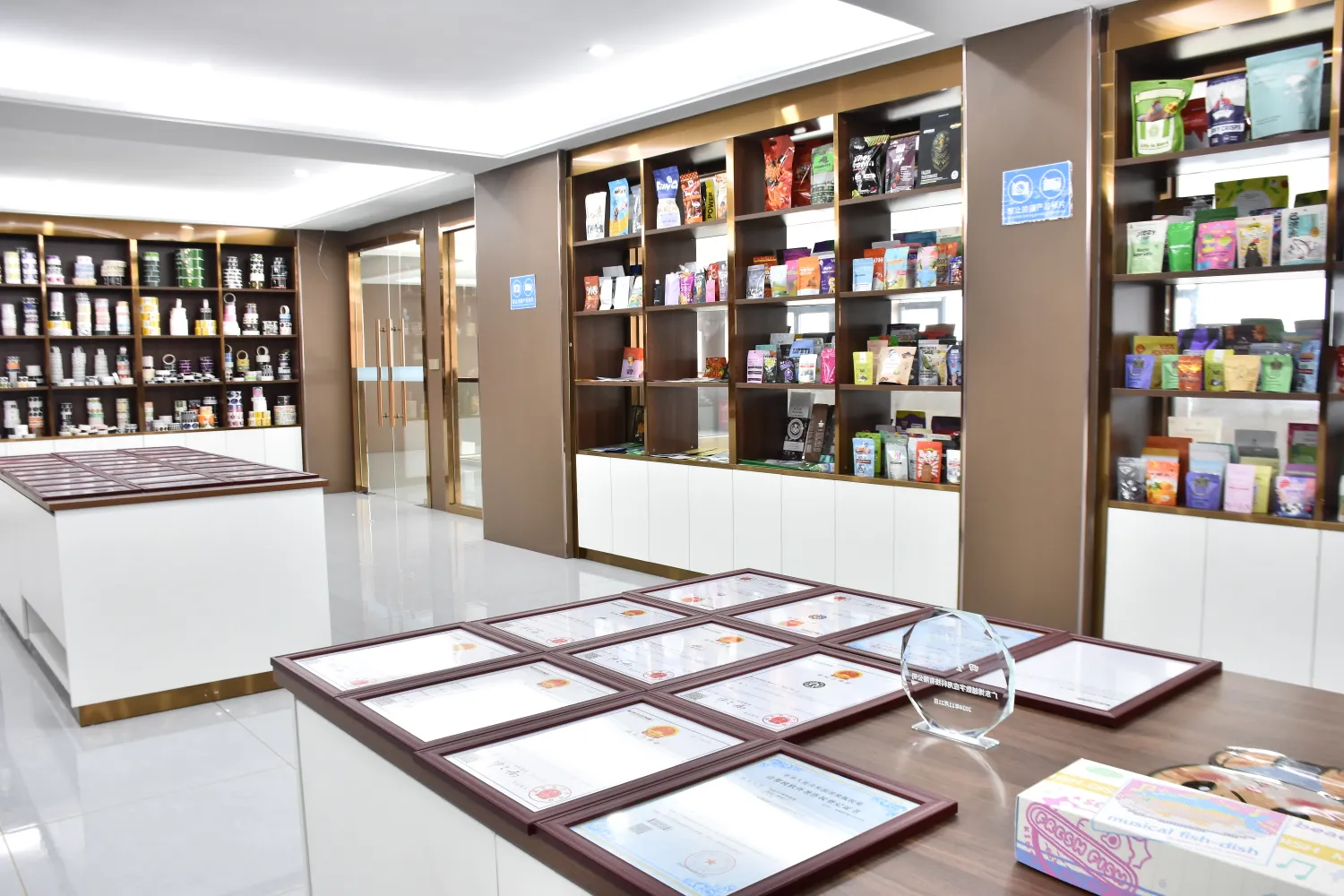
JINYI is a source factory for custom flexible packaging, with 15+ years of production experience serving food, supplement, pet food, and consumer goods brands globally. Our facility runs multiple gravure printing lines alongside HP digital print systems — supporting both large-volume consistency and small-batch flexibility from the same production floor.
From material selection to finished pouch, every client gets full visibility into film specs, production timeline, and quality control. That’s what From Film to Finished — Done Right means in practice.