JINYI shares practical packaging guidance for your decisions.
If you are sourcing custom flexible packaging — coffee bags, stand-up pouches, side gusset bags — The Bag Broker is one of the first names that comes up, particularly in the UK and European market. They have a clean website, a strong product range, and a track record with specialty coffee roasters and food brands. But The Bag Broker is not a manufacturer. They are a distributor — and that distinction matters when you are making decisions about MOQ, pricing, material specifications, and long-term supply chain reliability. This guide breaks down exactly what The Bag Broker offers, where it works well, and where sourcing factory-direct gives you a structurally better outcome. If you have already looked at similar comparisons in this space, our breakdown of Noissue vs Direct Factory covers comparable ground for that platform.
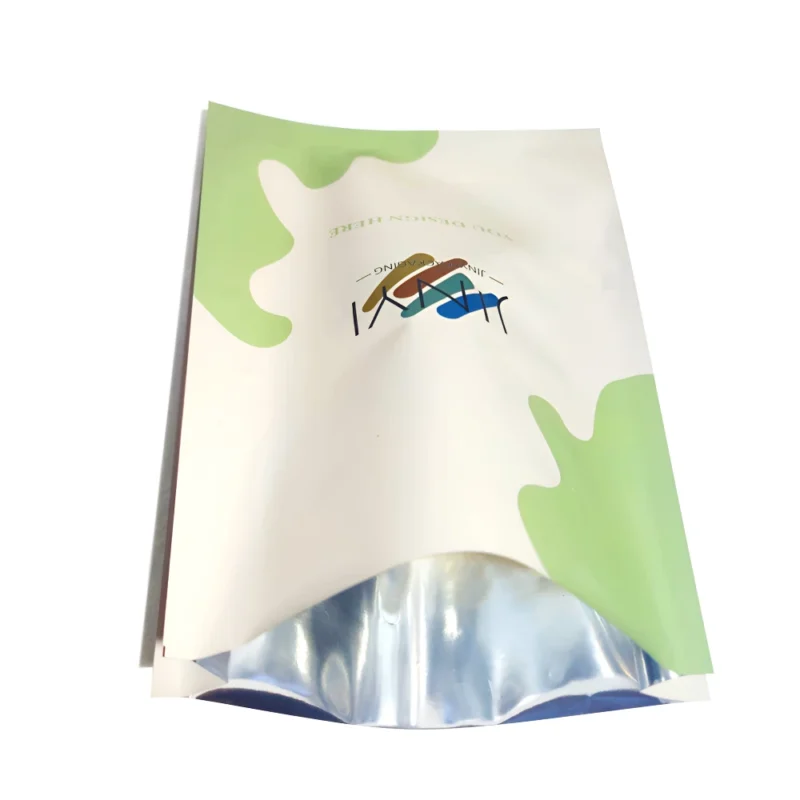
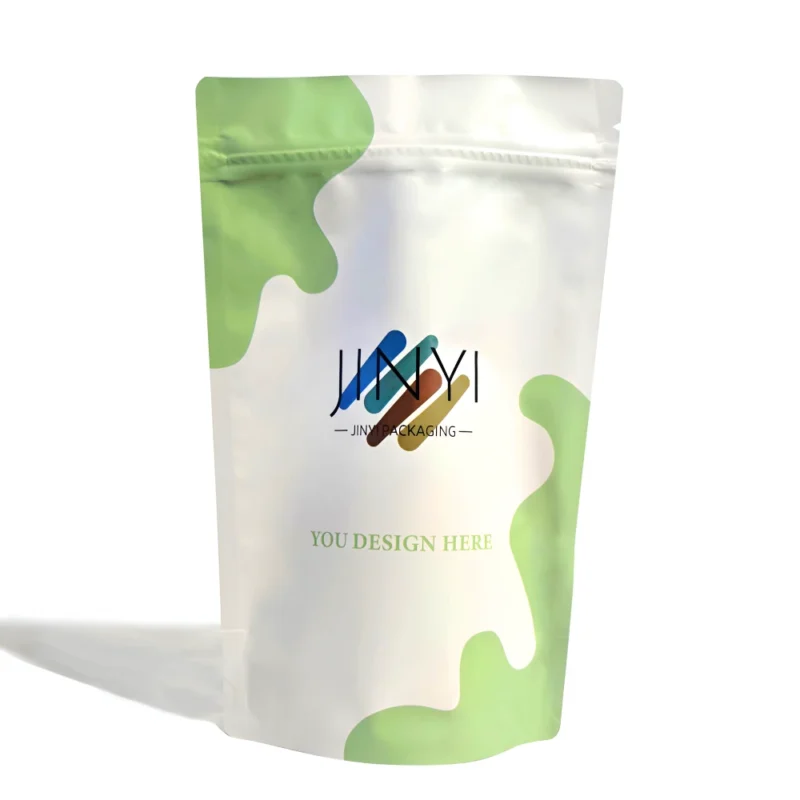
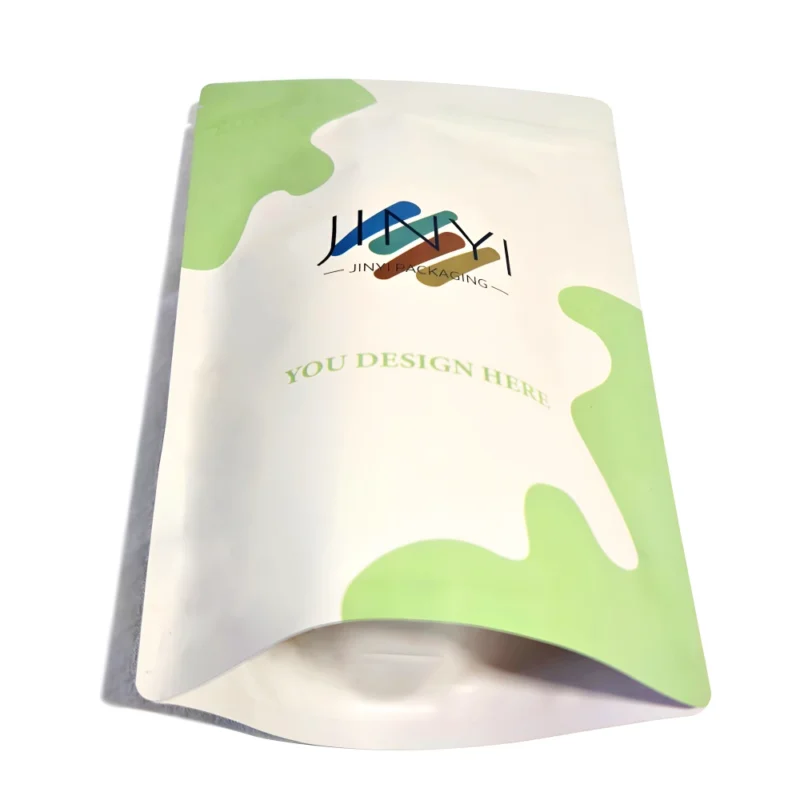
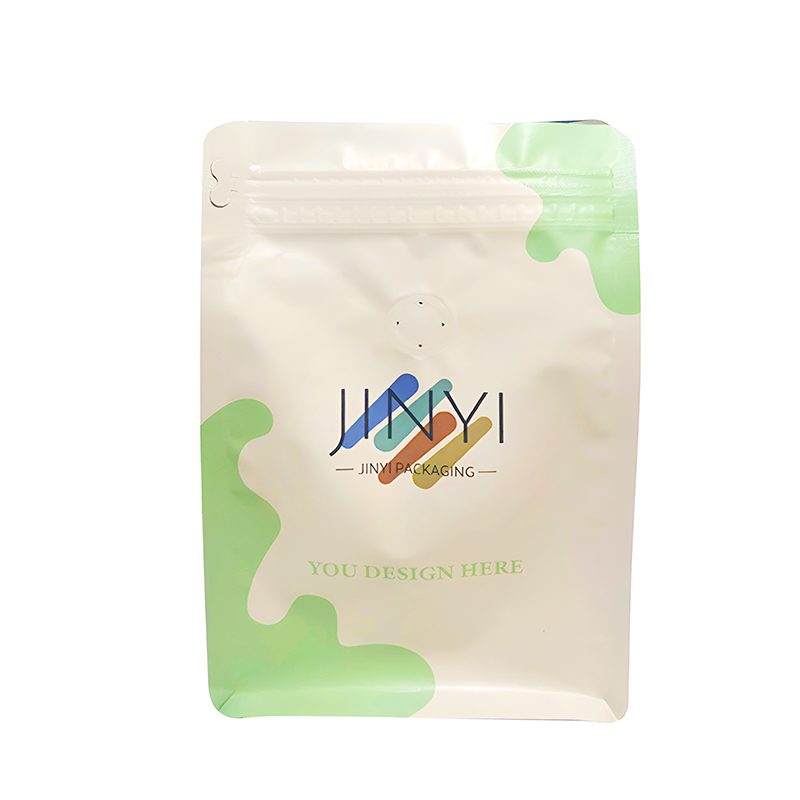
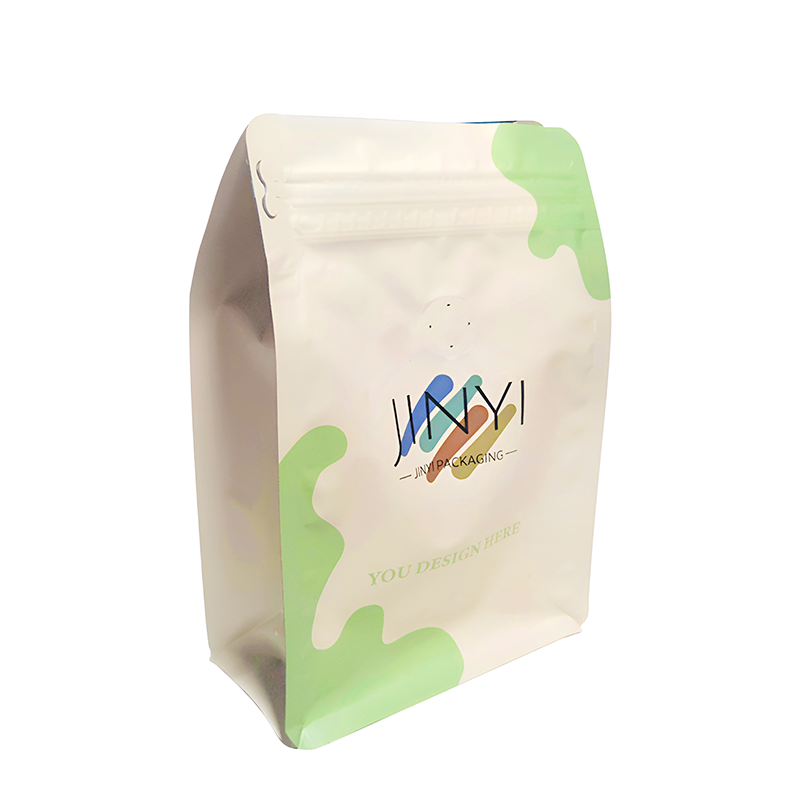
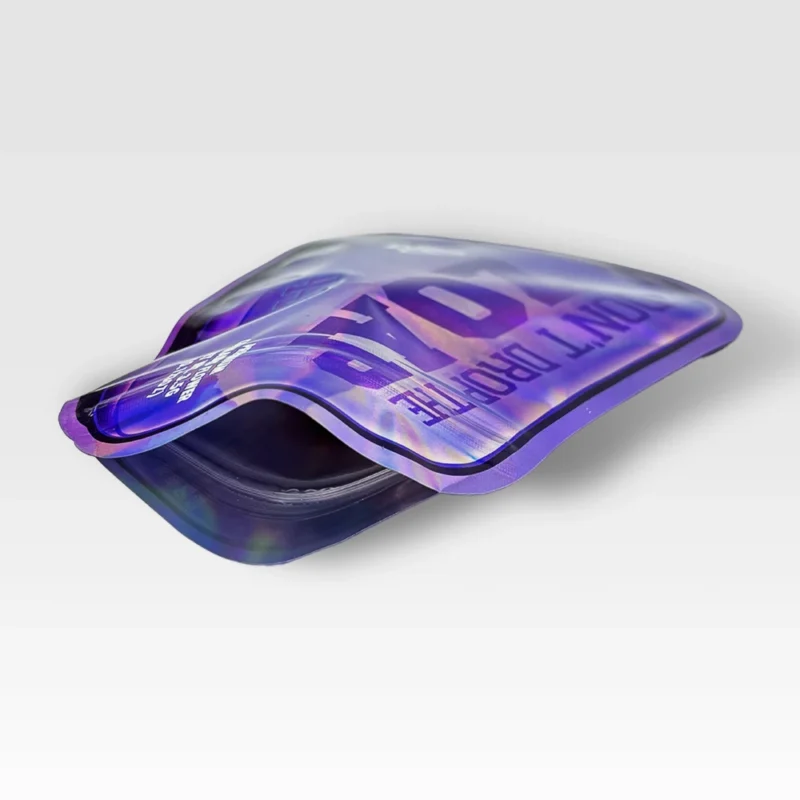
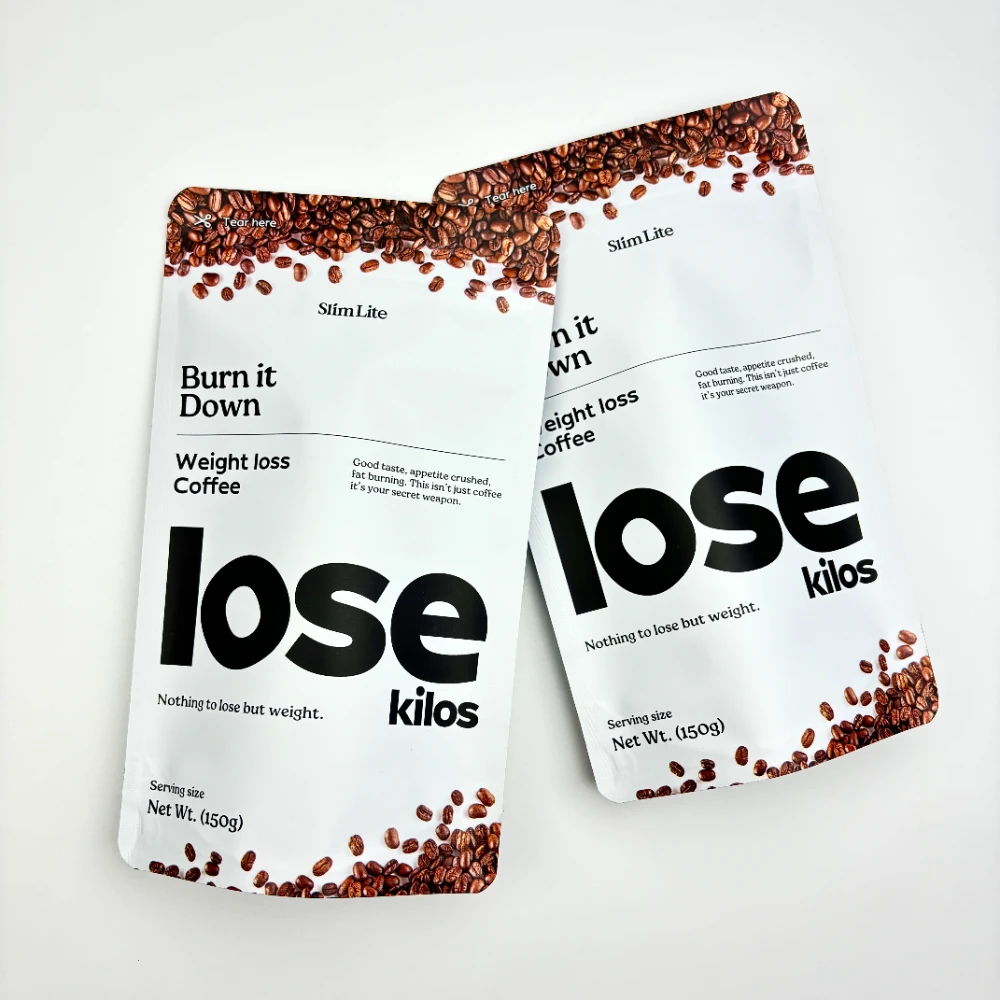
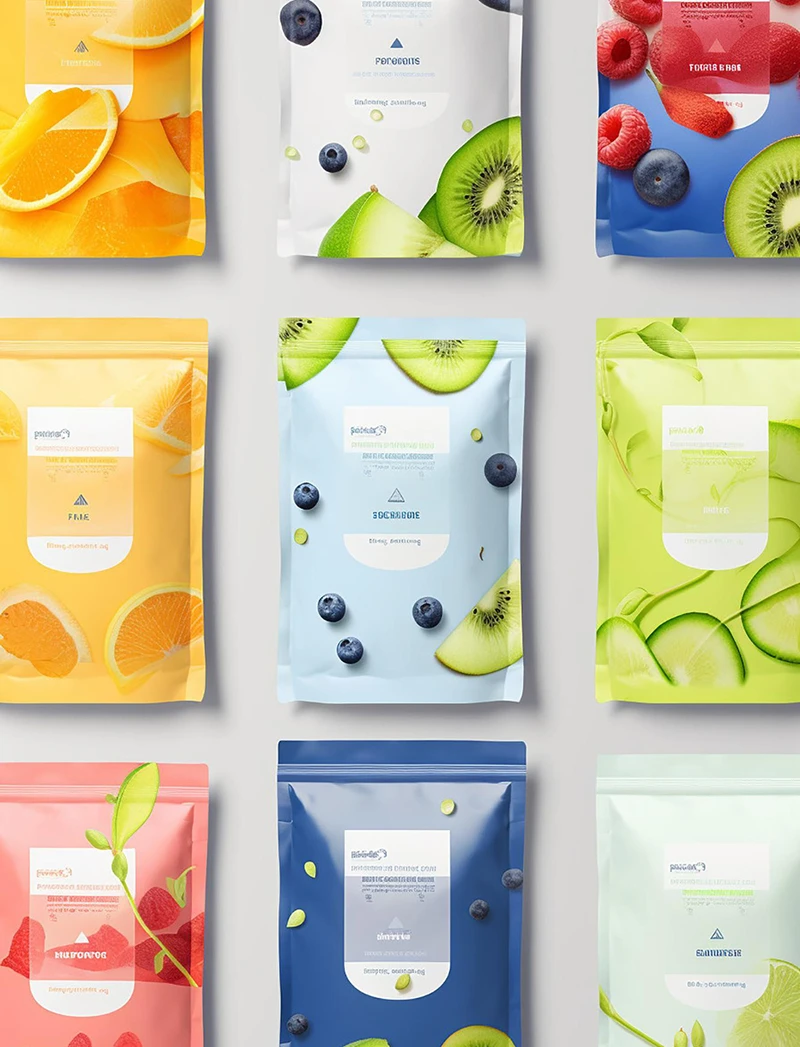
High-Barrier Coffee Pouches — Manufactured by JINYI
What Is The Bag Broker — And How Does It Actually Work?
The Bag Broker was founded in 2004 by Holger Nygaard and has grown into one of the more recognised flexible packaging suppliers in the UK and European market. They operate warehouses in the UK, Netherlands, Australia, and Dubai, with a sourcing office in Taiwan. Their model has two sides: a stock packaging line — plain or minimally branded bags available for immediate dispatch — and a custom printed line for branded orders.
The critical thing to understand is that The Bag Broker does not manufacture their bags. They source from upstream factories — primarily in Asia — and act as an intermediary between those factories and end buyers. This is a legitimate and useful model for certain buyers. But it means that every order you place with The Bag Broker has a margin layer built in, and your visibility into the actual production process, material specifications, and factory quality controls is limited to what The Bag Broker chooses to share.
Note: The Bag Broker’s Taiwan office handles sourcing, which means their bags are manufactured in Asian factories — the same region where direct-factory suppliers like JINYI operate. The difference is whether you pay the distributor margin or work directly with the source.
What Products Does The Bag Broker Offer?
The Bag Broker’s product range is focused on flexible packaging for the food and beverage sector. Their core formats include stand-up pouches, side gusset bags, and box bottom bags. Their strongest vertical is specialty coffee — they have built significant traction with independent coffee roasters who need bags with degassing valves, zippers, and recyclable or compostable material options. Tea packaging, dry food bags, and pet food packaging round out the product line.
Their stock range covers plain bags in standard sizes and materials — kraft, recyclable barrier film, and compostable PLA — available for same-day dispatch in the UK. This is one of their genuine advantages: if you need unbranded bags immediately, their stock line can ship in 24 to 48 hours. Their custom printed line covers the same formats with full-colour digital printing, and more recently gravure printing for larger runs.
Format
Available at The Bag Broker
Available at JINYI Direct
Stand-up pouch (Doypack)
✓ Stock + custom
✓ Full custom, from 500 units
Side gusset bag
✓ Stock + custom
✓ Full custom, from 500 units
Box bottom bag
✓ Custom
✓ Full custom
Degassing valve (coffee)
✓ Available
✓ Standard on coffee orders
Recyclable / compostable film
✓ Available
✓ Available on request
Full material spec document
✗ Not standard
✓ Included with every order
MOQ, Pricing, and Lead Times: A Side-by-Side Comparison
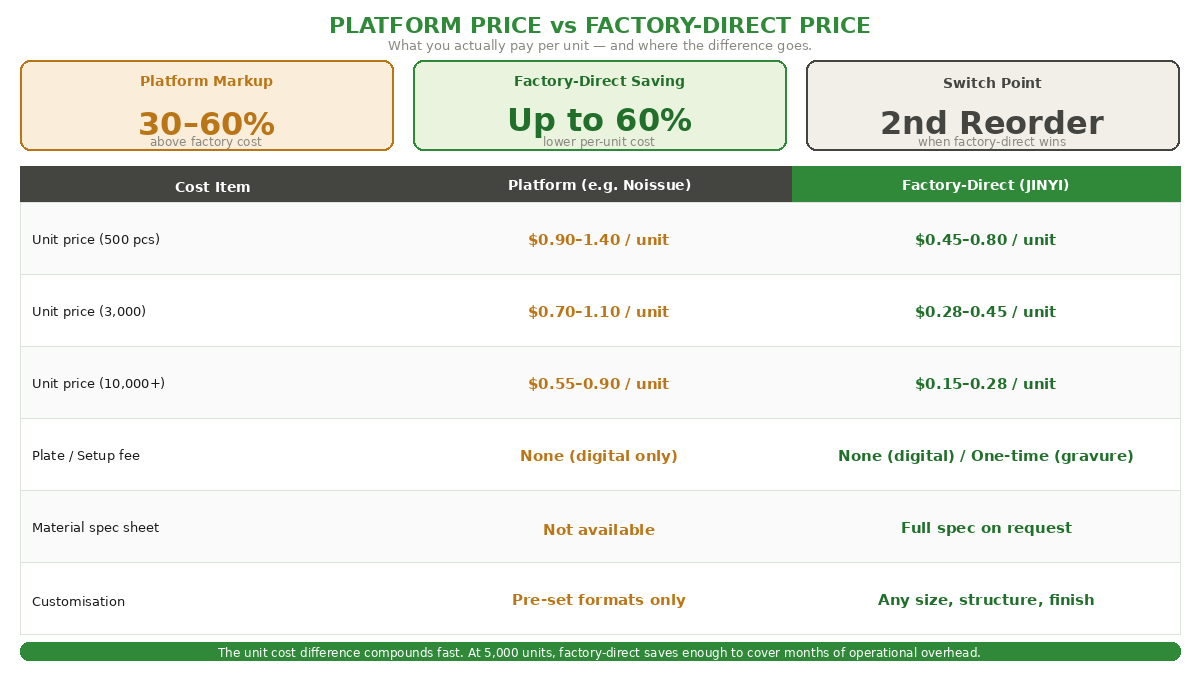
This is where the structural difference between a distributor and a direct factory becomes most visible. The Bag Broker’s custom printed line starts at 3,000 units for digital printing, with lead times of 10 to 12 weeks. For a brand placing its first order or testing a new SKU, that is a significant upfront commitment — both in units and in cash tied up during the production window.
At JINYI, the same custom digital print run starts from 500 units with no plate fee, and gravure printing becomes available at higher volumes with a meaningfully lower unit cost. The lead time difference is also material — particularly for brands managing tight launch windows or seasonal SKUs.
Factor
The Bag Broker
JINYI Direct Factory
Custom print MOQ
3,000 units (digital)
500 units (digital)
Plate / setup fee
None (digital)
None (digital)
Custom lead time
10–12 weeks
Shorter — confirm at quote stage
Pricing model
Distributor margin included
Factory-direct, no middleman
Scale path
Platform pricing, limited flexibility
Digital → gravure at volume, unit cost drops
Stock (unprinted) availability
Yes — next-day UK dispatch
Custom only — no stock line
Material spec document
Not standard
Included with every order
Tip: If you are at the early stage of a product launch and need 500 to 1,000 custom bags to test market response, The Bag Broker’s 3,000-unit minimum locks you into more inventory than you may need. A factory-direct digital print run from 500 units lets you validate first and scale later — without overcommitting on stock.
Material Spec and Barrier Performance: What You’re Actually Getting
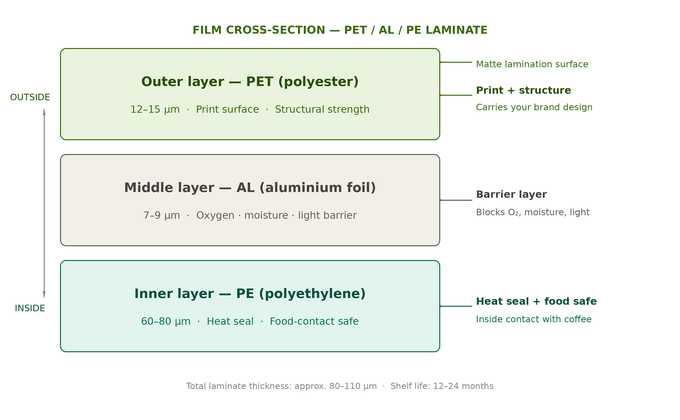
For most consumer brands, the bag just needs to look good and hold the product. But for brands in specialty coffee, functional food, supplements, or any category where shelf life and freshness claims are central to the product, the film structure underneath the print matters — and so does having documentation to prove it.
The Bag Broker offers recyclable, kraft, and compostable material options. Their bags are manufactured in Asia and meet food safety standards. But because they are a distributor, the material specification document — the OTR, MVTR, layer breakdown, food-contact certification — sits with their upstream factory, not with The Bag Broker directly. Most buyers do not receive this documentation as standard. If you need to verify barrier performance for retail compliance, co-manufacturing partnerships, or product liability purposes, you will need to specifically request it and may not always get complete data.
Documentation
The Bag Broker
JINYI Direct Factory
Film layer breakdown
On request — not always available
Standard with every order
OTR / MVTR values
On request — not always available
Included in spec sheet
Food-contact certification
Meets food safety standards
Certifications included
Factory audit / ISO certification
Upstream factory ISO-22000
Direct factory, verifiable
Note: If your brand is entering retail channels or working with a co-manufacturer, you will almost certainly be asked for a material specification document. A direct factory provides this as standard. A distributor may or may not be able to pass it through from their upstream supplier.
Which Brands Should Use The Bag Broker?
The Bag Broker genuinely works well for a specific type of buyer. If you fit the profile below, their model is a reasonable fit:
Scenario
Why The Bag Broker Works
UK-based roaster needing plain stock bags fast
Next-day UK dispatch from warehouse stock
Small brand, 3,000+ unit custom order, no spec docs needed
Established supplier, managed process, familiar to European buyers
Brand that wants local supplier contact in UK/EU
UK office, local account management, European time zones
Need compostable or recyclable certified stock bags immediately
Stock eco options available for fast dispatch
Tip: The Bag Broker’s strongest use case is their stock line — plain or minimally branded bags for buyers who need inventory quickly in the UK or Europe. For fully custom branded packaging, the MOQ and lead time advantages shift significantly toward direct factory sourcing.
Which Brands Should Source Factory-Direct?
Factory-direct sourcing makes structural sense once you move beyond the stock-bag use case. If you are building a branded product that needs a custom film spec, custom print, and a supply chain you can verify and scale, working directly with the source factory removes the distributor layer — and with it, the distributor margin, the communication buffer, and the documentation gap.
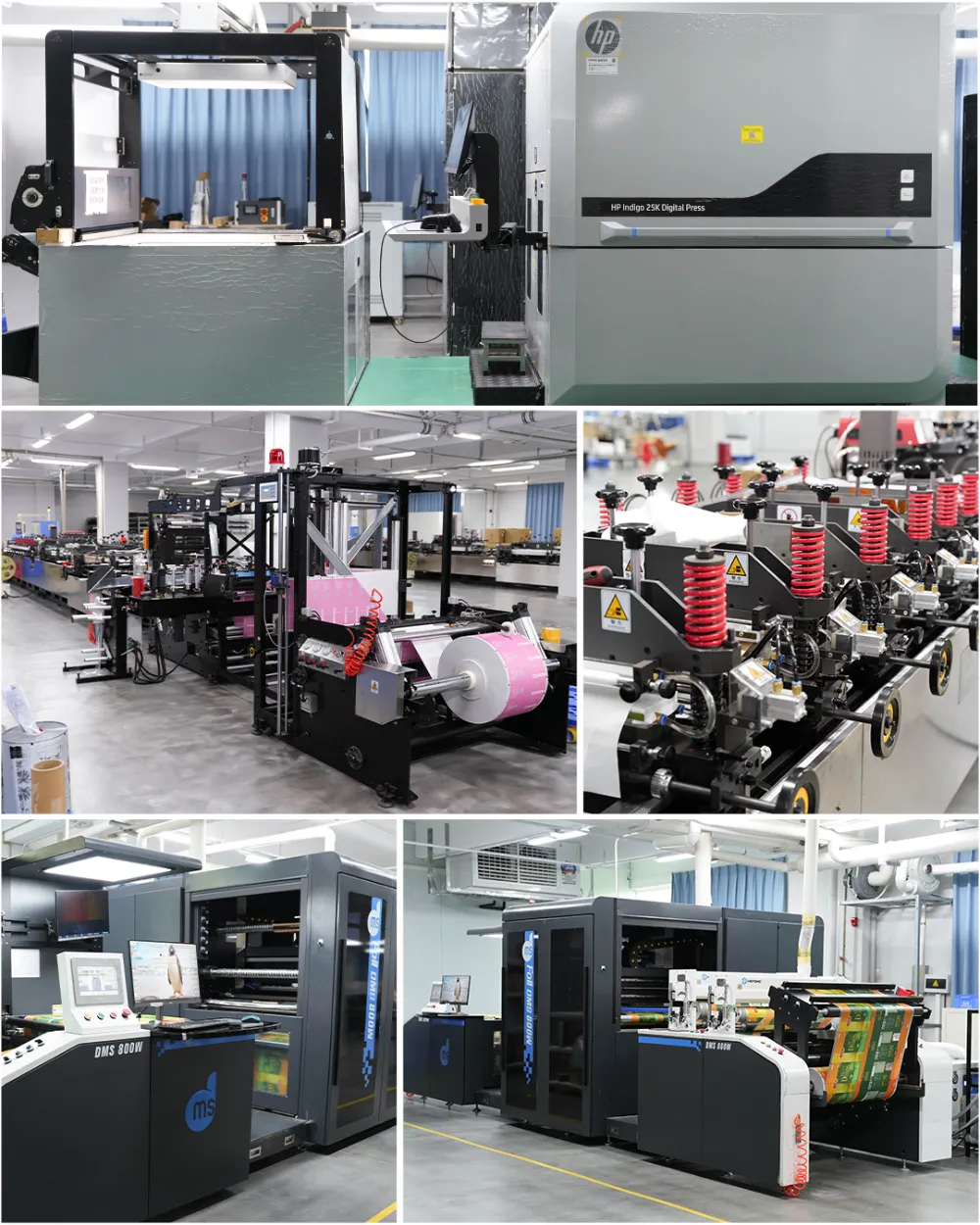
At JINYI, custom stand-up pouches and side gusset bags start from 500 units via HP digital print with no plate fee. Every order includes a full material specification document — film layer breakdown, OTR, MVTR, and food-contact certifications — so you can share it with retailers, co-packers, or compliance teams without chasing a supplier chain. When your volume grows, the same factory transitions your order to gravure printing, which brings the per-unit cost down materially without changing your spec, your supplier relationship, or your supply chain.
Scenario
Why Direct Factory Works Better
Launch order under 3,000 units
500-unit MOQ means less capital at risk on a first run
Need material spec docs for retail or compliance
Full documentation standard — no chasing required
Multiple SKUs with different specs or finishes
Direct factory negotiation on spec, finish, and price per SKU
Scaling volume over time
Digital → gravure path reduces unit cost as volume grows
Brands outside UK / EU shipping globally
Factory ships direct to 150+ countries, no European warehouse step
Note: The distributor model adds value when you need local stock proximity and speed. It costs you margin, documentation visibility, and MOQ flexibility. Once your brand is past the early test phase and has a validated spec, moving to a direct factory relationship almost always produces a better unit economics outcome.
Get a Factory-Direct Quote for Your Custom Flexible Packaging
Tell us your bag format, target volume, and product category. We will come back with a full spec recommendation, material documentation, and a factory-direct price — within 24 hours. No distributor margin. No documentation gaps.
JINYI is a source factory for custom flexible packaging, with 15+ years of production experience serving food, supplement, coffee, and consumer goods brands across 150+ countries. Our facility runs HP digital print systems alongside multiple gravure printing lines — giving brands a clear path from small launch orders to full-scale production without changing suppliers.
Every client receives full material specification documentation with their order — film structure, barrier data, food-contact certifications — as standard. That is what From Film to Finished — Done Right means in practice.
Elsa
Business Development Manager · JINYI Packaging
Elsa leads business development and customer order management at JINYI. With 8 years in foreign trade across Yiwu and Dongguan, she has a sharp understanding of market demand and what buyers actually need — turning real customer insight into the right packaging decisions.
Customer needs Order management Business development
Is The Bag Broker a manufacturer or a distributor?
The Bag Broker is a distributor, not a manufacturer. They source their bags from upstream factories — primarily in Asia — and act as an intermediary between those factories and end buyers. They have warehouses in the UK, Netherlands, Australia, and Dubai, and a sourcing office in Taiwan. This model offers fast access to stock bags in the UK and Europe, but adds a margin layer and limits direct visibility into factory processes and material specifications.
What is The Bag Broker’s minimum order quantity for custom printed bags?
The Bag Broker’s custom digital print line starts at 3,000 units, with lead times of 10 to 12 weeks. For brands that need smaller quantities — 500 to 2,000 units — a direct factory like JINYI offers digital print runs from 500 units with no plate fee and typically shorter lead times.
Can I get the same flexible packaging bags as The Bag Broker factory-direct?
Yes. The stand-up pouches, side gusset bags, and box bottom bags that The Bag Broker sells are manufactured in Asian factories. JINYI produces the same formats directly, from 500 units, with full material specification documentation included — so you get the same product type at factory-direct pricing with better transparency into what you are actually receiving.
What is the difference between ordering from a platform vs a direct factory for custom pouches?
A platform or distributor sits between you and the factory, adding a margin layer and acting as the communication buffer. This can simplify the buying experience, but it limits your access to material documentation, pricing transparency, and direct negotiation on spec. A direct factory removes that layer — you deal with the source, get full documentation, and have a clearer path to negotiating on volume, spec, and price as your brand grows.
Does The Bag Broker provide material specification documents for their custom bags?
Not as standard. Because The Bag Broker sources from upstream factories, material specification documents — including OTR, MVTR, film layer breakdown, and food-contact certifications — sit with the upstream manufacturer. Buyers can request this information, but it is not always available in full. If your business requires documentation for retail compliance, co-manufacturing agreements, or product liability purposes, sourcing direct from a factory that includes specs with every order is a more reliable approach.