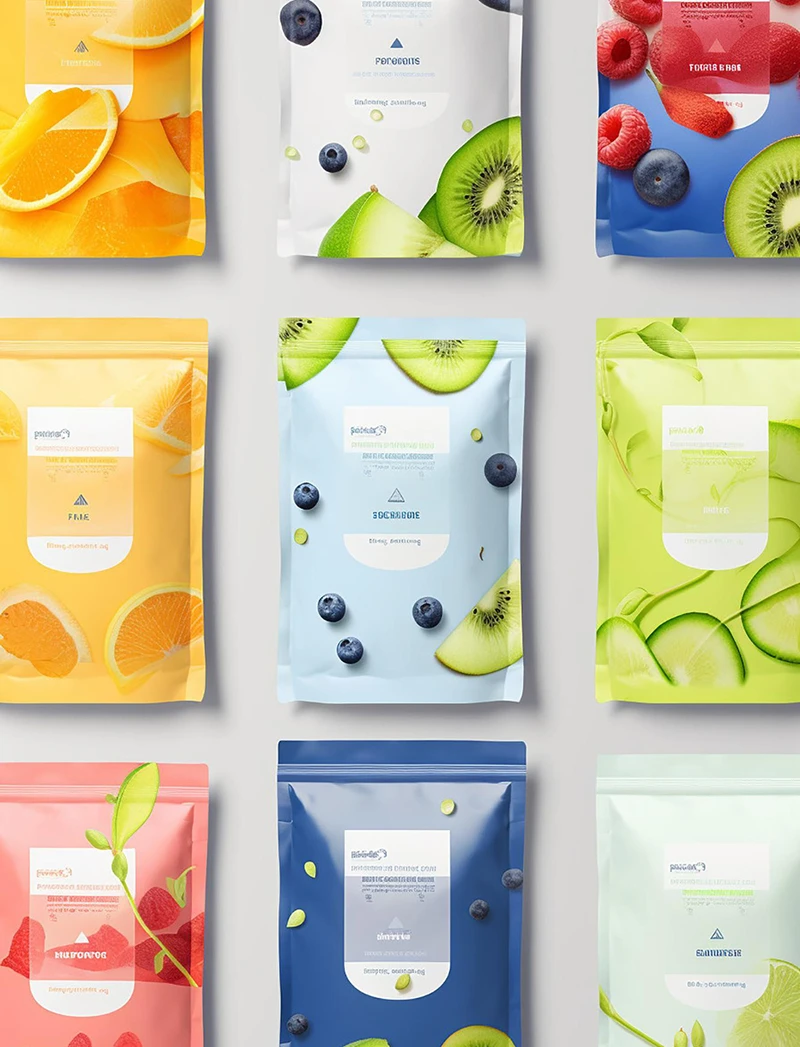
JINYI shares practical packaging guidance for your decisions.
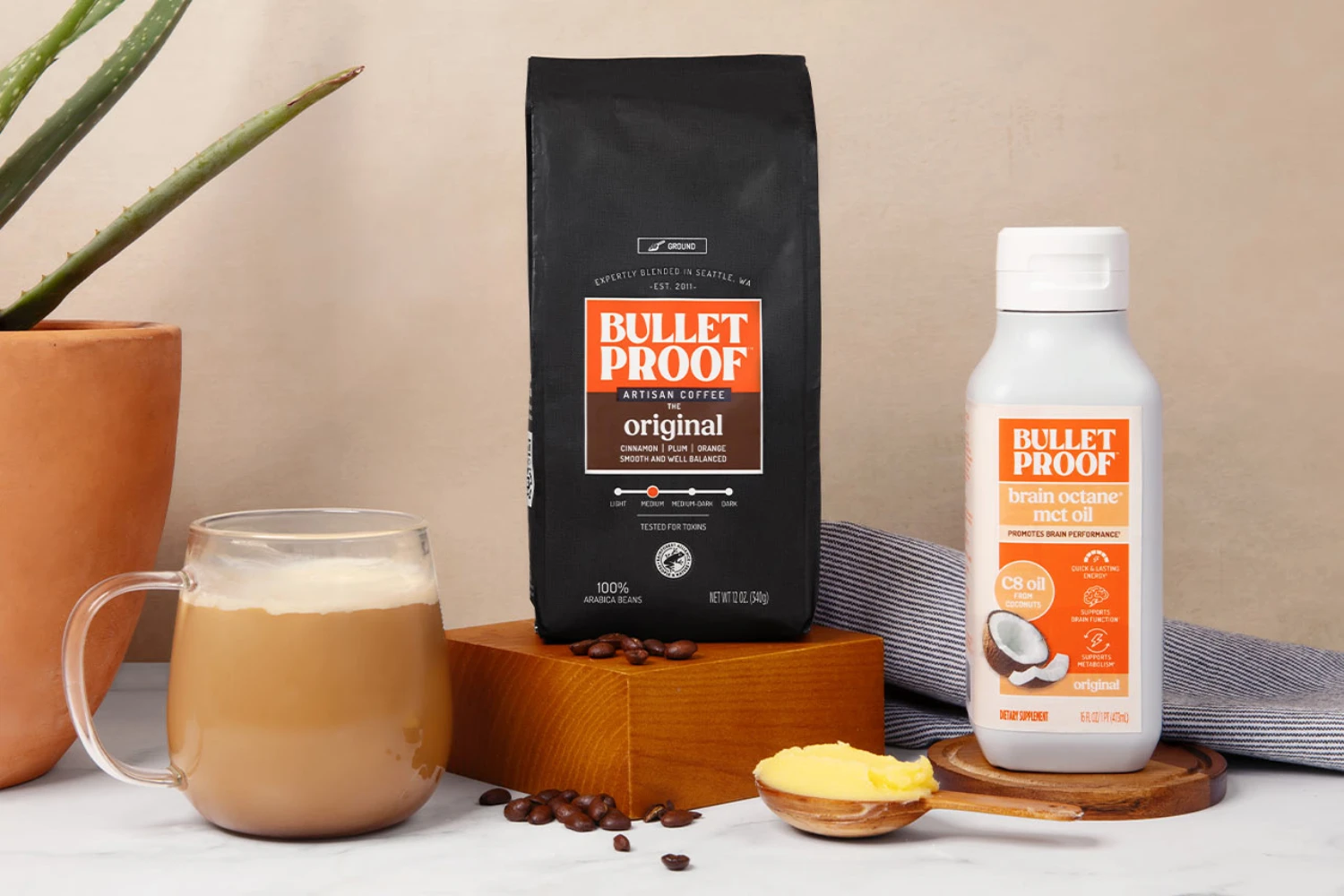
Bulletproof Coffee built one of the most recognisable brands in the performance nutrition space — and their packaging is a direct extension of that positioning. The black matte bag, the clean white typography, the “clean coffee” messaging: every element is deliberate. For any brand in the coffee, supplement, or functional food space looking to source a similar structure, this breakdown covers what Bulletproof Coffee packaging is actually made of, why those choices were made, and how to get the same spec factory-direct. If you want to understand how another brand approached a comparable structure, our breakdown of Starbucks coffee packaging is a useful reference point.
Bulletproof Coffee uses two primary bag formats depending on SKU size. Their 12 oz retail line — the format you find in grocery stores and on their direct-to-consumer website — uses a stand-up pouch (also called a Doypack). This format stands upright on shelf without support, has a bottom gusset that expands when filled, and provides a clean front panel for their black matte print and white logo. It is one of the most widely used formats in retail coffee packaging because it balances cost, shelf presence, and freshness performance at standard retail weights.
For their 5 lb bulk whole bean SKU — primarily sold through their own website and Amazon — Bulletproof uses a side gusset bag. This format has gussets on both sides rather than the bottom, allowing it to hold significantly more volume while maintaining a compact footprint for palletising and shipping. Side gusset bags are the standard format for commercial-volume coffee — 1 kg, 2 kg, and 5 lb bags across most premium coffee brands use this structure because it stacks efficiently in cartons and handles the weight of large fills without seal stress.
SKU
Format
Why This Format
12 oz ground / whole bean
Stand-up pouch (Doypack)
Retail shelf display, cost-efficient at standard weights
Tip: If you are launching a retail coffee SKU under 500g, a stand-up pouch is the right starting format — lower tooling cost, flexible MOQ, and strong shelf presence. Move to a side gusset structure when your volume per SKU exceeds 1 kg or you need to optimise for bulk DTC shipping.
What Film Structure Is Bulletproof Coffee Packaging Made Of?
Bulletproof’s bags are opaque and black — no window, no transparency. That is the first signal of the film structure. Opaque bags in this category almost universally use an aluminium foil barrier layer as the core middle layer, producing a near-zero oxygen and moisture transmission rate. The structure Bulletproof uses across their retail coffee line is a standard high-barrier laminate: PET / AL / PE.
Maximum barrier against oxygen, moisture, and UV light
Inner
PE (Polyethylene)
Heat seal layer · food-contact safe · product protection
The aluminium foil middle layer is what delivers the barrier performance Bulletproof needs to support their shelf life claims. PET/AL/PE achieves an oxygen transmission rate (OTR) of approximately 0.01 cc/m²/day and a moisture vapour transmission rate (MVTR) of approximately 0.01 g/m²/day — both near zero. At those figures, roasted coffee maintains its flavour profile and passes their toxin-testing threshold for 12 to 18 months under standard retail storage conditions.
Note: If your product requires 12+ months shelf life or broad retail distribution, PET/AL/PE is the standard spec. For brands with faster inventory turnover or sustainability-first positioning, metallised film (VMPET) provides a similar barrier at lower cost and better recyclability — but OTR performance is lower, typically 0.5–1.5 cc/m²/day.
Why Bulletproof’s “Clean Coffee” Claim Connects Directly to Packaging Spec
Bulletproof’s core brand claim is that their coffee is tested for mycotoxins — mould-derived toxins that can develop in coffee under poor storage or processing conditions. This is their primary product differentiator, and it shapes their packaging specification in a way that most brands do not think about.
A bag that has weak barrier performance — oxygen gets in, moisture gets in — creates conditions where mycotoxin risk increases after packaging, even if the green beans and roasting process were clean. Bulletproof’s choice of PET/AL/PE is not just a freshness decision. It is a brand integrity decision. The packaging must maintain the same controlled-environment conditions that their sourcing and testing programme establishes upstream. A substandard film structure would undermine the entire “clean coffee” claim from the moment the bag is sealed.
Film Option
OTR
Shelf Life (Coffee)
Suitable for Clean / Toxin-Tested Claims?
PET / AL / PE
~0.01 cc/m²/day
12–18 months
Yes — maximum protection
PET / VMPET / PE
0.5–1.5 cc/m²/day
6–12 months
Conditional — depends on distribution speed
Kraft / PLA (compostable)
5–15 cc/m²/day
3–6 months
Not recommended for toxin-sensitive claims
High-Barrier Coffee Pouches — Manufactured by JINYI
For any brand making functional or health-adjacent claims about their coffee — clean sourcing, organic certification, mould-free testing — your packaging spec needs to support that claim through the full shelf life window. The bag is not just packaging. It is part of your quality control system.
The One-Way Degassing Valve
Every Bulletproof Coffee bag includes a one-way degassing valve — the small circular disc you will find on the back panel. This is standard for any brand packaging freshly roasted coffee, and it connects directly to their “clean coffee” positioning. Freshly roasted coffee releases CO₂ for several days after roasting. Without a degassing valve, that gas has nowhere to go — either the bag inflates and risks seal failure, or the roaster has to rest the coffee for 5 to 7 days before sealing, losing the freshness advantage they have paid to protect.
The one-way valve allows CO₂ to exit while preventing oxygen from entering. For Bulletproof, this is not just a freshness feature — it is what allows them to package coffee close to the roast date and still deliver it within their quality window. A brand making mycotoxin-testing claims cannot afford oxygen ingress after sealing. The valve is a non-negotiable component of their spec.
Tip: If your coffee is freshly roasted and you are sourcing bags without a degassing valve, you either need to rest the coffee for 5–7 days before sealing — losing freshness — or accept a shorter effective shelf life. For most specialty and functional coffee brands, a valve is not optional.
Surface Finish and Print Treatment
Bulletproof’s bags use a full-coverage matte lamination finish in black, with white reverse-printed typography. The matte finish is a deliberate choice — it signals premium, reduces glare under retail lighting, and creates a tactile quality that glossy finishes do not deliver. It also hides fingerprints and handling marks, which matters for a product that sits on shelf for extended periods.
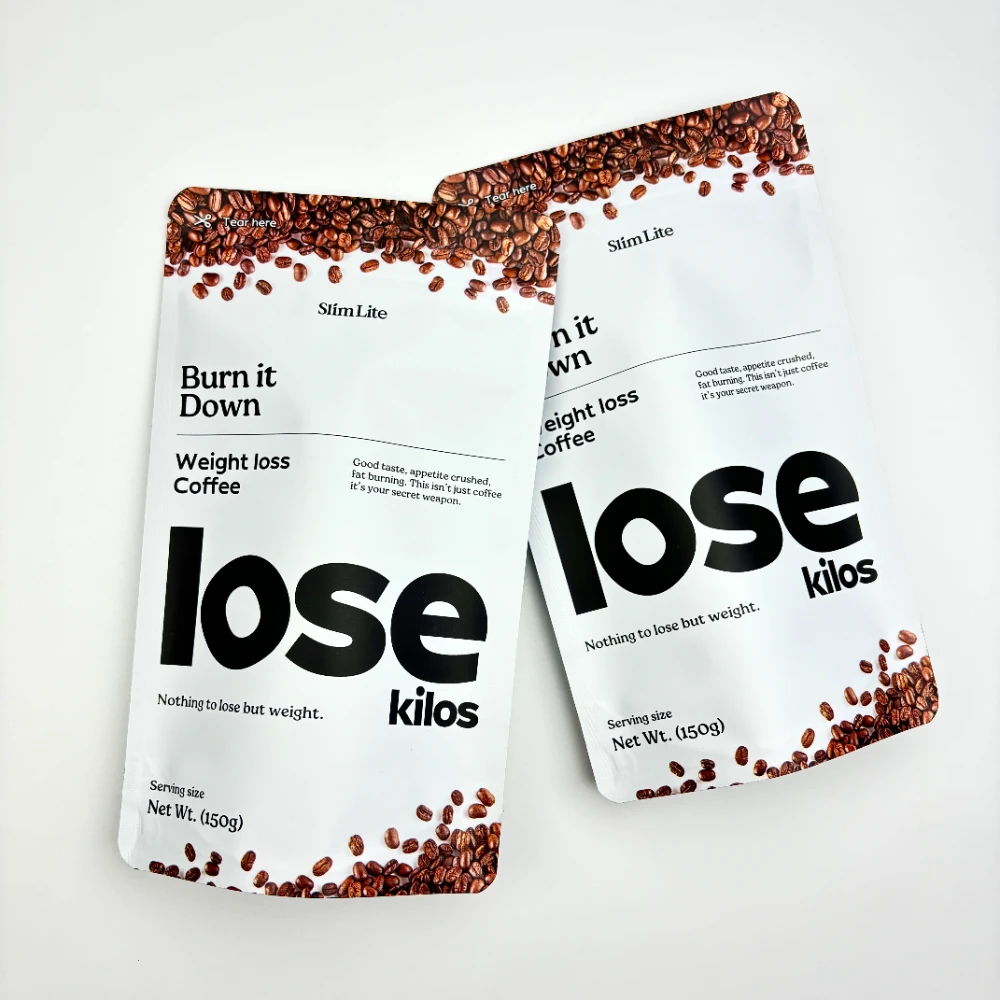
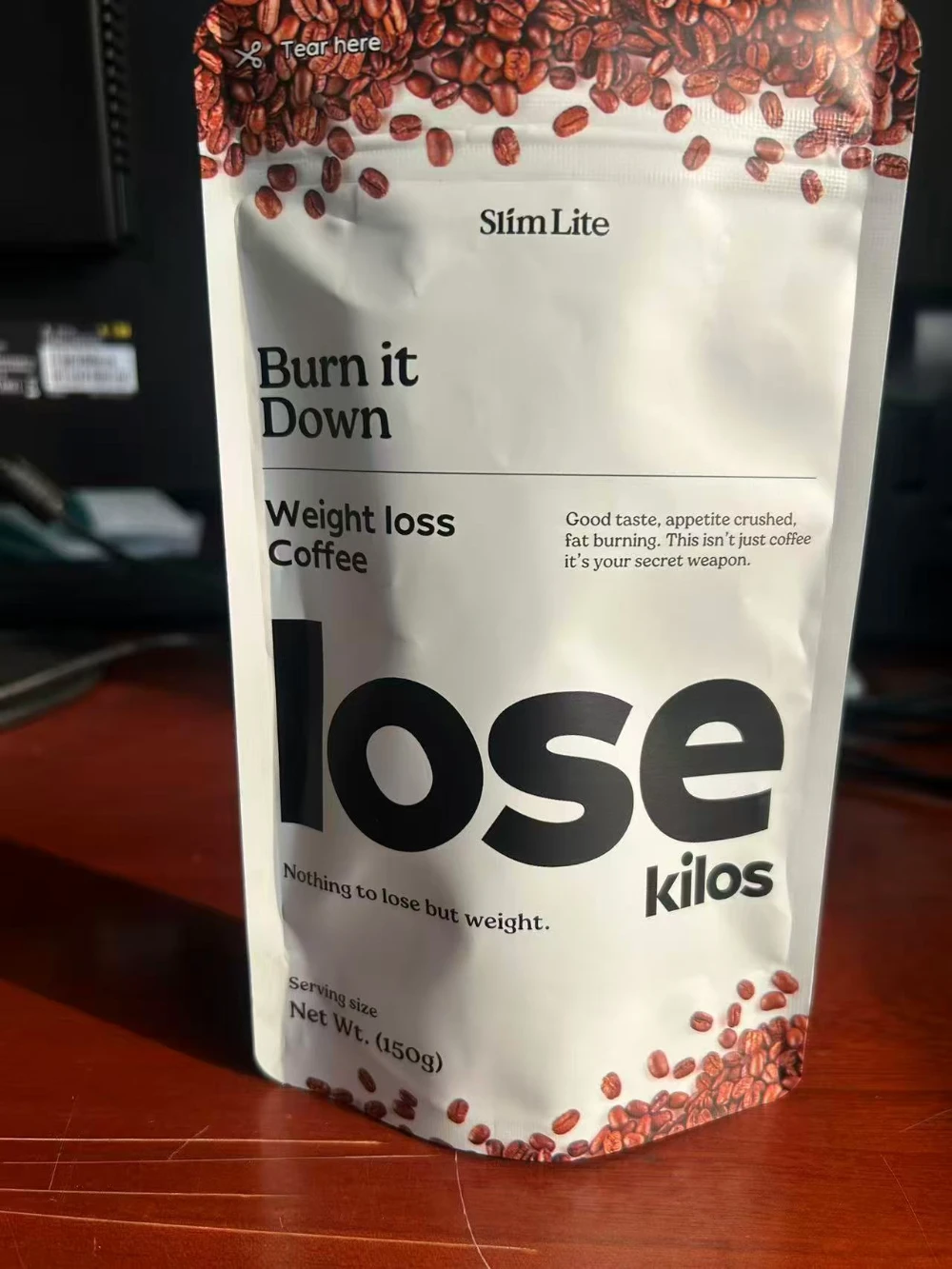
Matte-finish coffee pouches produced by JINYI, shown under natural light.
The white print on black matte is achieved through reverse printing on the PET outer layer — the artwork is printed on the inner surface of the PET film before lamination, which protects the ink from abrasion and environmental contact. This is standard gravure or HP digital print process for premium coffee packaging. The high contrast between the black background and white type is what gives Bulletproof bags their immediate shelf recognition — a single clean design element that works at retail, online, and in brand photography.
Finish
Visual Effect
Best For
Matte lamination
Soft, premium, no glare
Premium retail, functional brands, DTC
Gloss lamination
Vibrant, high contrast
Mass retail, high-colour artwork
Matte + spot gloss UV
Matte base with selective shine
Luxury differentiation within a product line
Hot stamping (foil)
Metallic accent on specific elements
Reserve / limited edition SKUs
Note: Matte lamination adds a small cost premium over gloss — typically 5 to 10% on unit price — but the shelf differentiation and perceived quality uplift are disproportionate. For brands where premium positioning is the primary brand claim, matte is almost always the right call.
How to Source the Same Packaging Structure Factory-Direct
The black matte stand-up pouch in PET/AL/PE with a one-way degassing valve and white reverse print is a standard production spec. It is not proprietary to Bulletproof, and you do not need their volume to access it. At JINYI, the same structure is available from 500 units via HP digital print — no plate fee, full material specification document provided, degassing valve included as standard on all coffee pouch orders.
For brands scaling to higher volumes, gravure printing brings the per-unit cost down significantly while maintaining the same film structure, barrier performance, and finish quality. Every order comes with a complete material spec sheet — OTR, MVTR, layer breakdown, and food-contact certifications — which you can provide to retailers, compliance teams, or co-manufacturing partners who need to verify your packaging against product claims.
Spec
Platform / Intermediary
JINYI Direct Factory
MOQ
500–1,000 units (often higher)
From 500 units (digital print)
Plate / setup fee
Included in unit price (hidden)
No plate fee for digital print
Material spec document
Rarely provided
Included with every order
Degassing valve
Optional add-on (extra cost)
Standard on coffee pouches
Scale path
Platform pricing, limited negotiation
Switch to gravure at volume for lower unit cost
If you want to see how another high-performance coffee brand approached a comparable packaging spec — structure, valve, finish, and sourcing — our breakdown of Death Wish Coffee’s packaging covers a real-world spec in comparable detail.
Get the Same Structure for Your Coffee Brand
Tell us your bag size, target shelf life, and print requirements. We will come back with a full spec recommendation, material documentation, and a factory-direct quote — within 24 hours.
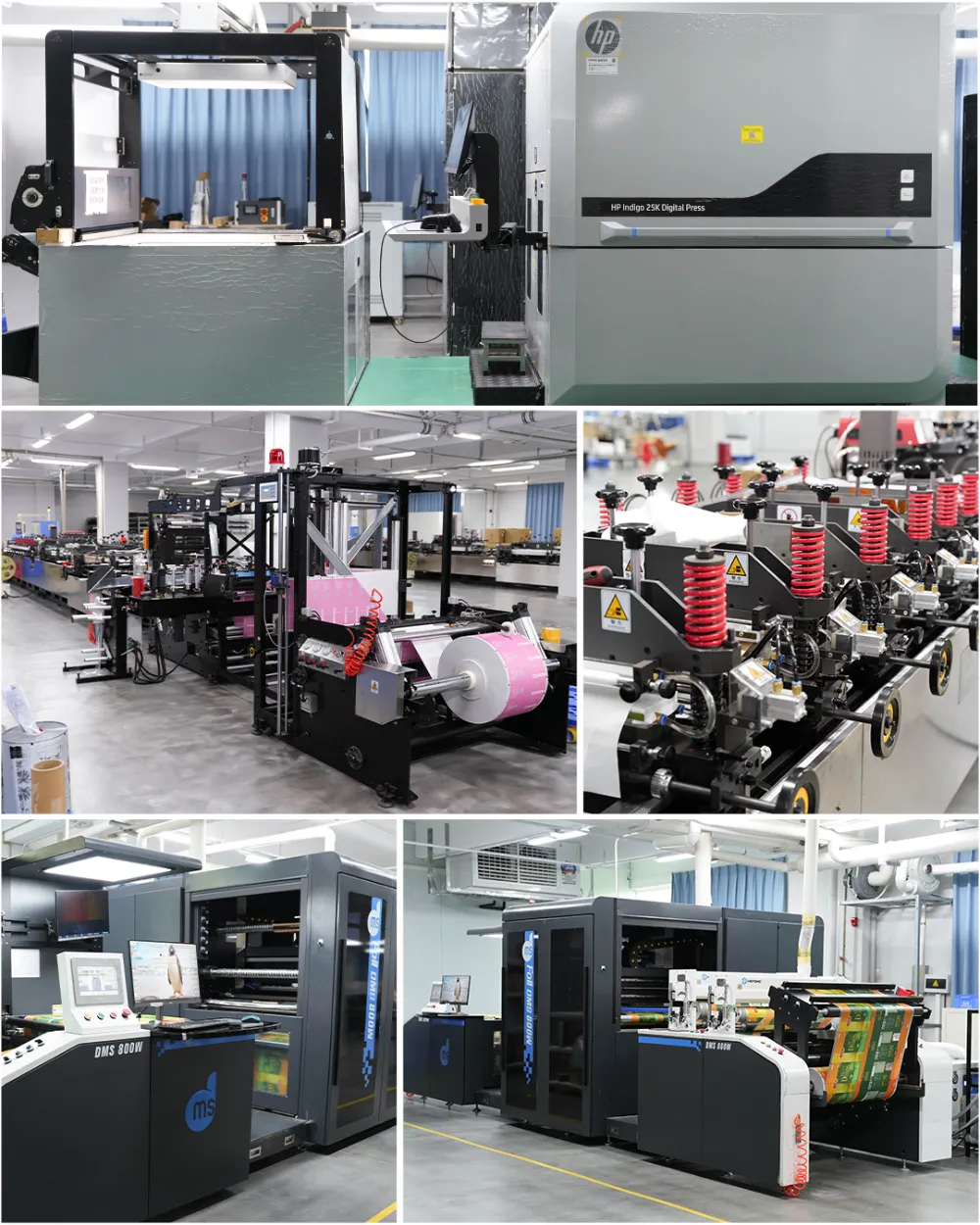
JINYI is a source factory for custom flexible packaging, with 15+ years of production experience serving food, supplement, coffee, and consumer goods brands globally. Our facility runs multiple gravure printing lines alongside HP digital print systems — supporting both large-volume consistency and small-batch flexibility from the same production floor.
From film selection to finished pouch, every client gets full visibility into material specs, production timeline, and quality control. That is what From Film to Finished — Done Right means in practice.
Elsa
Business Development Manager · JINYI Packaging
Elsa leads business development and customer order management at JINYI. With 8 years in foreign trade across Yiwu and Dongguan, she has a sharp understanding of market demand and what buyers actually need — turning real customer insight into the right packaging decisions.
Customer needs Order management Business development
What bag format does Bulletproof Coffee use for retail packaging?
Bulletproof Coffee uses a stand-up pouch (Doypack) for their 12 oz retail ground and whole bean SKUs. For their 5 lb bulk whole bean product, they use a side gusset bag. Both formats are available factory-direct from JINYI from 500 units with full material documentation.
What film material is Bulletproof Coffee packaging made from?
Bulletproof Coffee bags use a PET/AL/PE laminate — a polyester outer layer for print quality, an aluminium foil middle layer for maximum barrier protection against oxygen, moisture, and UV light, and a polyethylene inner layer for heat sealing and food contact. This structure supports a shelf life of 12 to 18 months under standard retail storage conditions.
Does Bulletproof Coffee packaging have a degassing valve?
Yes. Every Bulletproof Coffee bag includes a one-way degassing valve. Freshly roasted coffee releases CO₂ for several days after roasting, and the valve allows that gas to escape without allowing oxygen to enter — preserving freshness and preventing bag inflation. This is a standard component on any coffee bag where the roast-to-pack window is short.
Can I get the same black matte pouch as Bulletproof Coffee factory-direct?
Yes. The black matte stand-up pouch in PET/AL/PE with a one-way degassing valve is a standard production spec available at JINYI from 500 units via HP digital print with no plate fee. Full material specification documentation — including OTR, MVTR, and food-contact certifications — is provided with every order.
What is the difference between a stand-up pouch and a side gusset bag for coffee?
A stand-up pouch has a bottom gusset that allows it to stand upright, making it ideal for retail shelf display at standard weights (100g to 500g). A side gusset bag has gussets on both sides, allowing for significantly higher fill volume and a compact shipping footprint — the standard format for commercial-volume coffee in 1 kg, 2 kg, and 5 lb sizes. Both formats are available from JINYI in PET/AL/PE with all standard coffee packaging features.