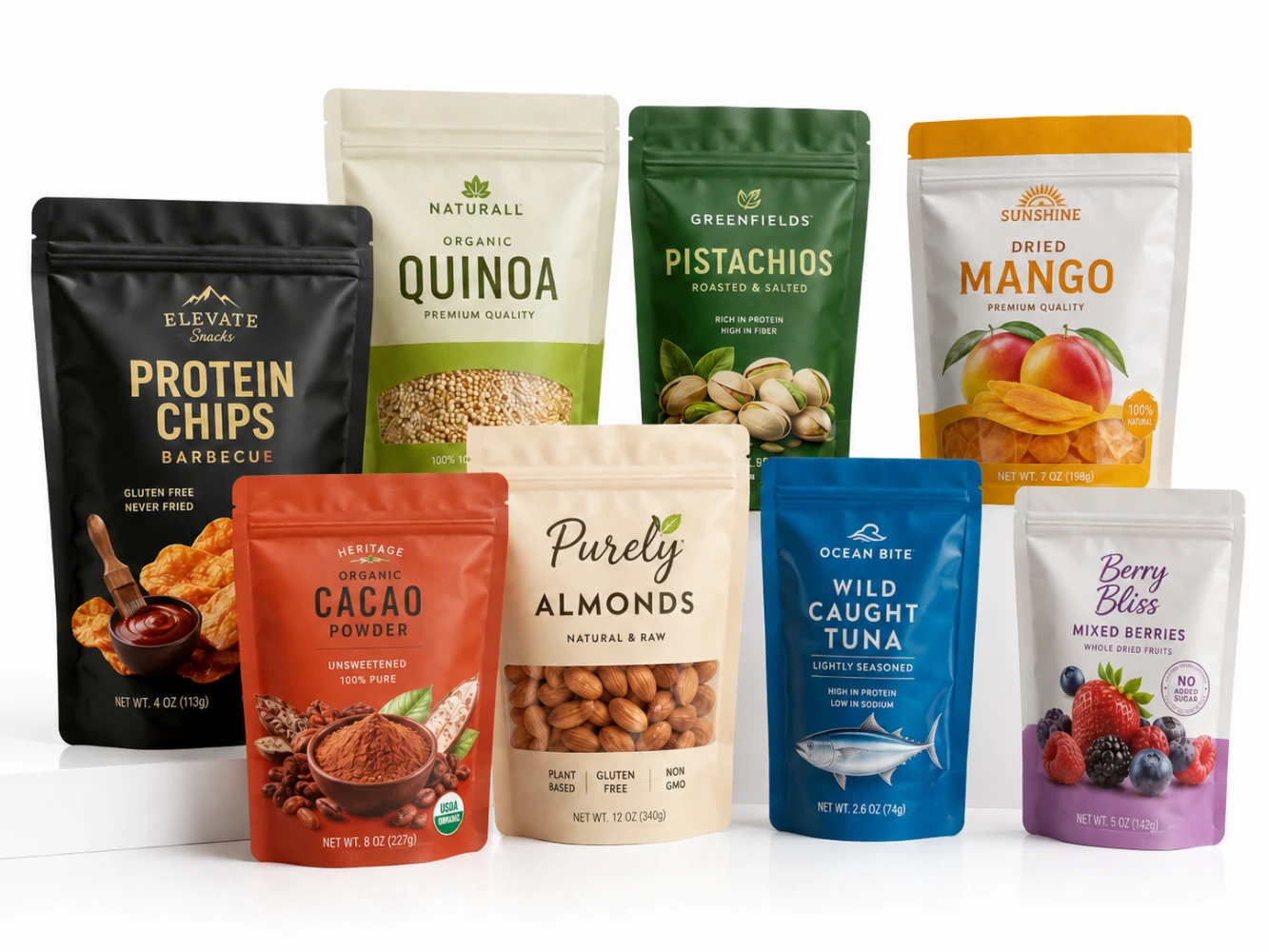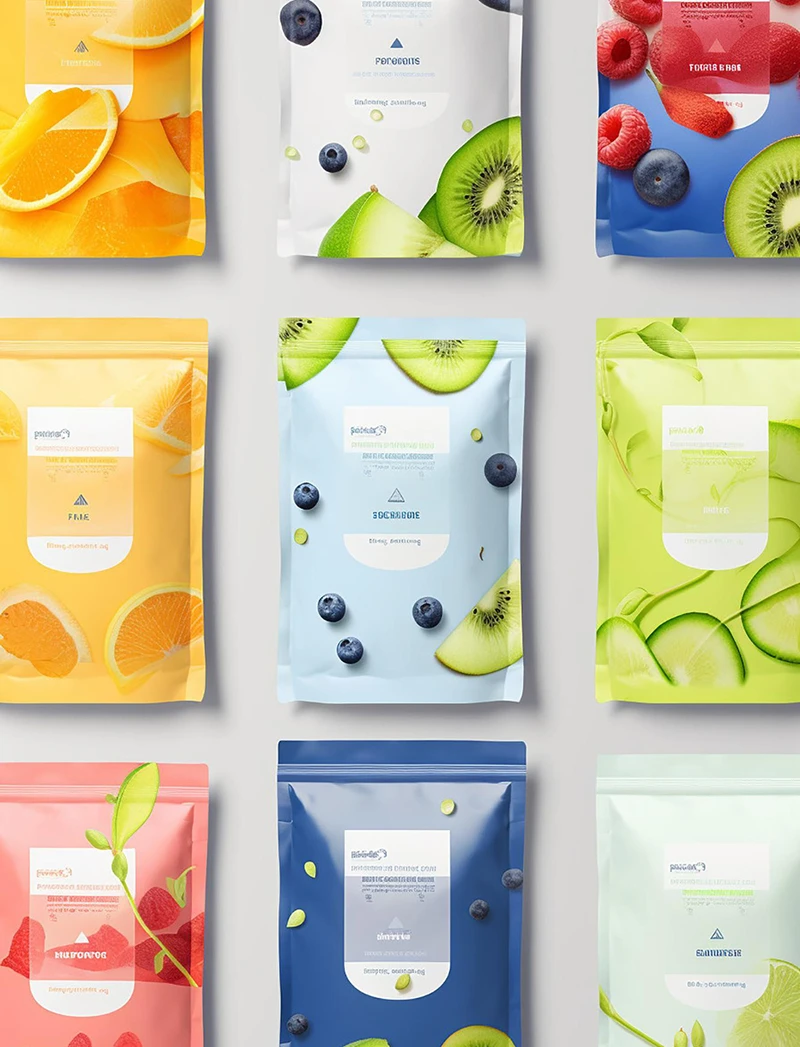

Custom Snack Packaging: A Buying Guide to Barrier Materials, Pouch Formats, and MOQ

A technical buying guide for snack brands — barrier requirements by product category, pouch formats,...
Read More

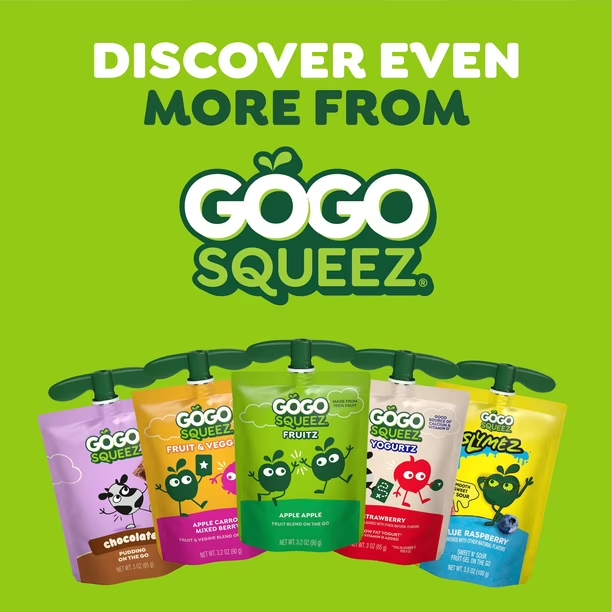
The Pouch That Changed How Kids Snack: GoGo squeeZ and the Engineering Behind the Squeeze

GoGo squeeZ sells 1.5 billion fruit pouches a year — no preservatives, no refrigeration, 12...

Read More

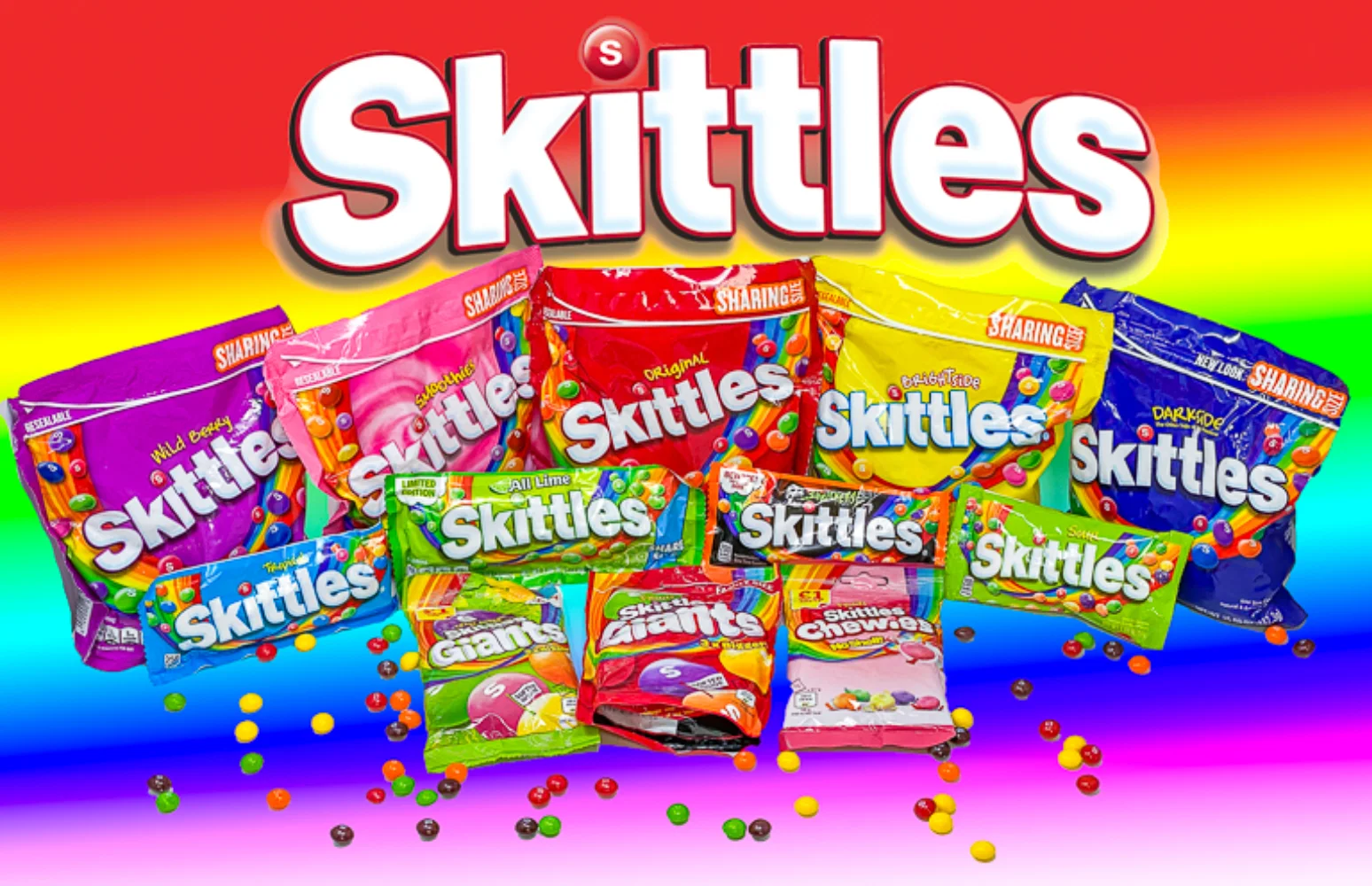
The Bag That Has to Be the Rainbow: How Skittles Packages Its Most Valuable Asset

Skittles has been asking you to taste the rainbow since 1974. But the bag holding...

Read More

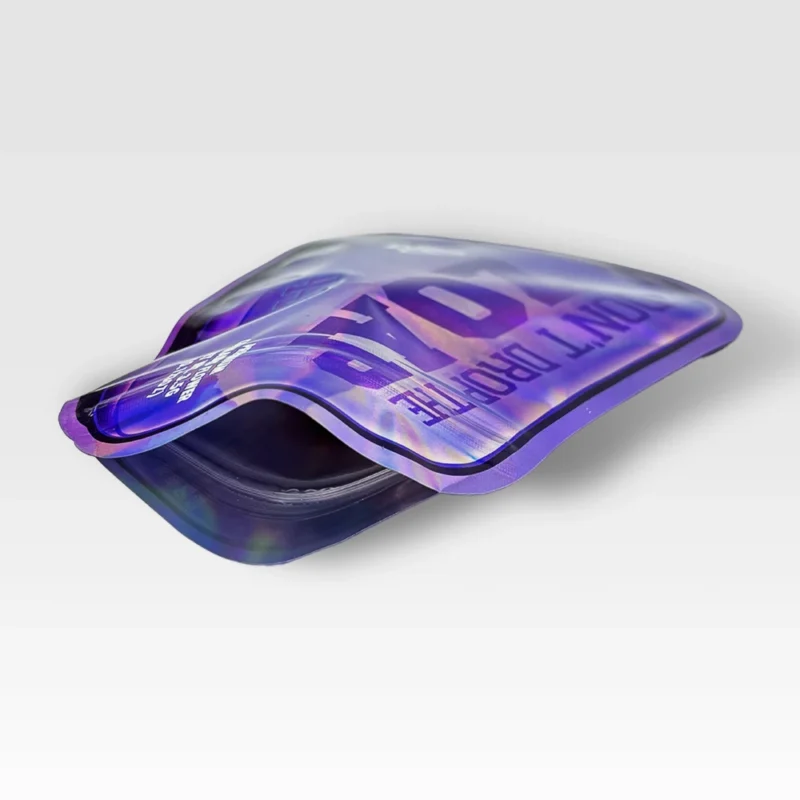
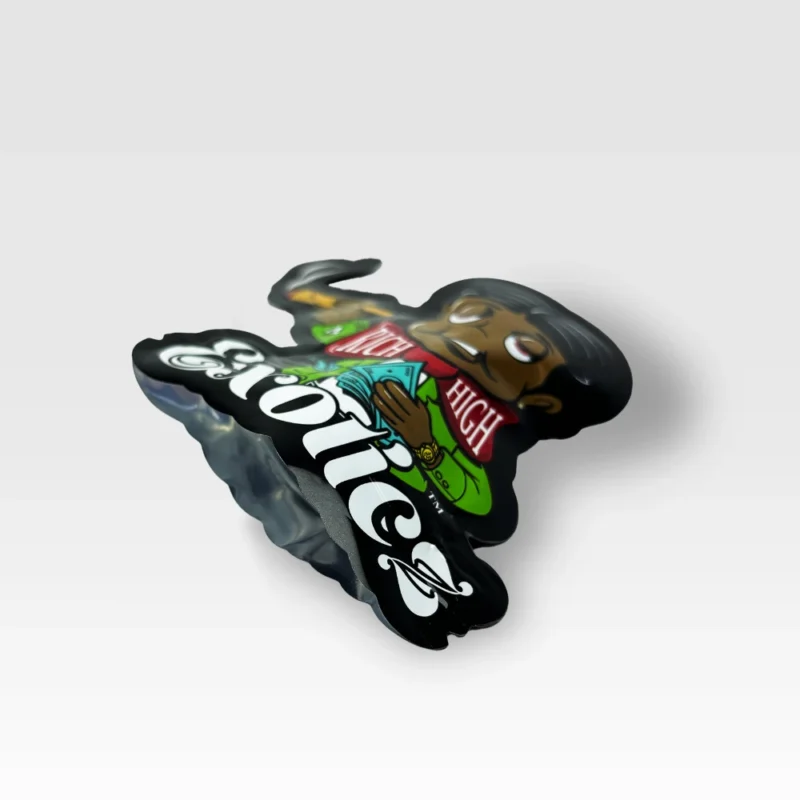
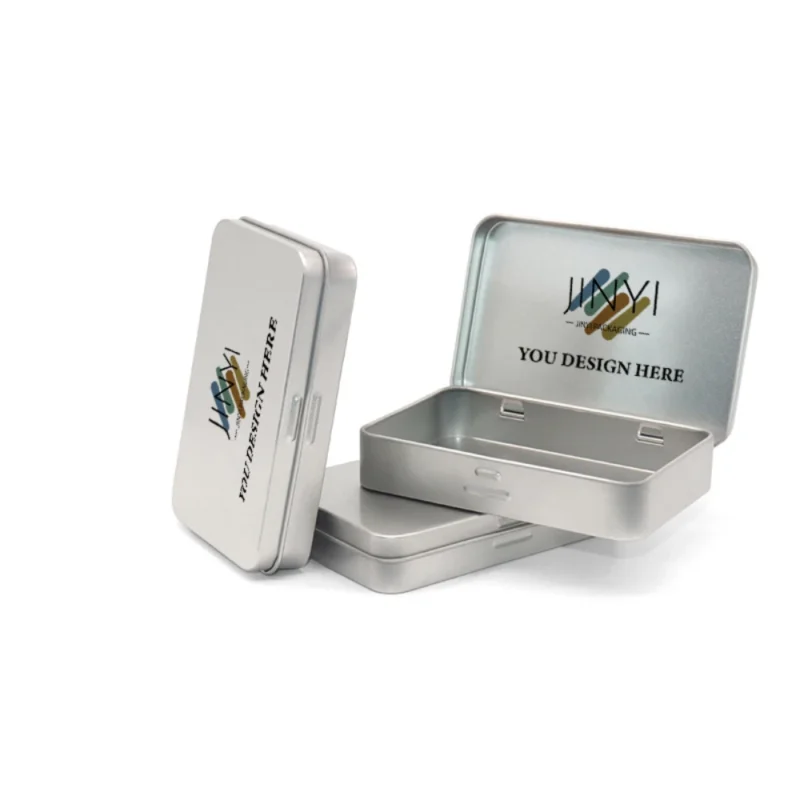
Custom Packaging Sets for Retail: Pouches, Display Boxes, Die-Cut Bags, and How to Order Them Together

A complete guide to custom retail packaging sets — display box structures, die-cut pouches, matte...

Read More

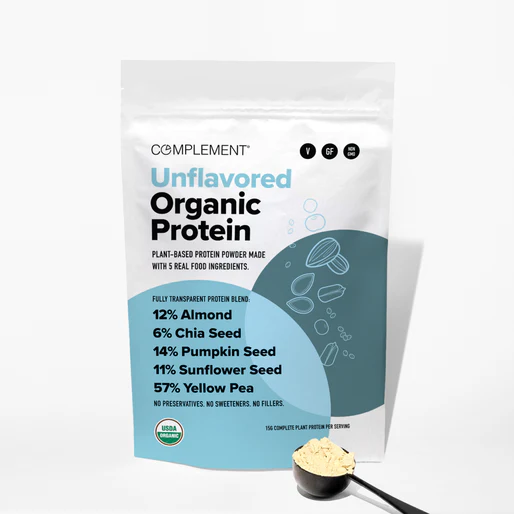
Built in a Blender, Scaled to 30,000 Stores: How Orgain’s Packaging Kept Up

Orgain started with a blender in a doctor's kitchen and grew into the #1 plant...

Read More

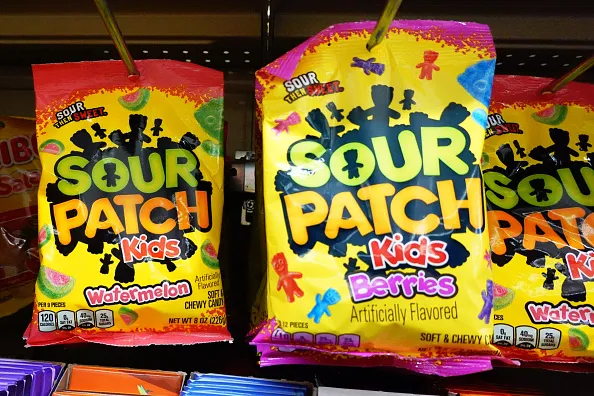
From Mars Men to Sour Patch Kids: How the Bag Kept Up With the Brand

Sour Patch Kids started life as Mars Men in the 1970s and became one of...

Read More

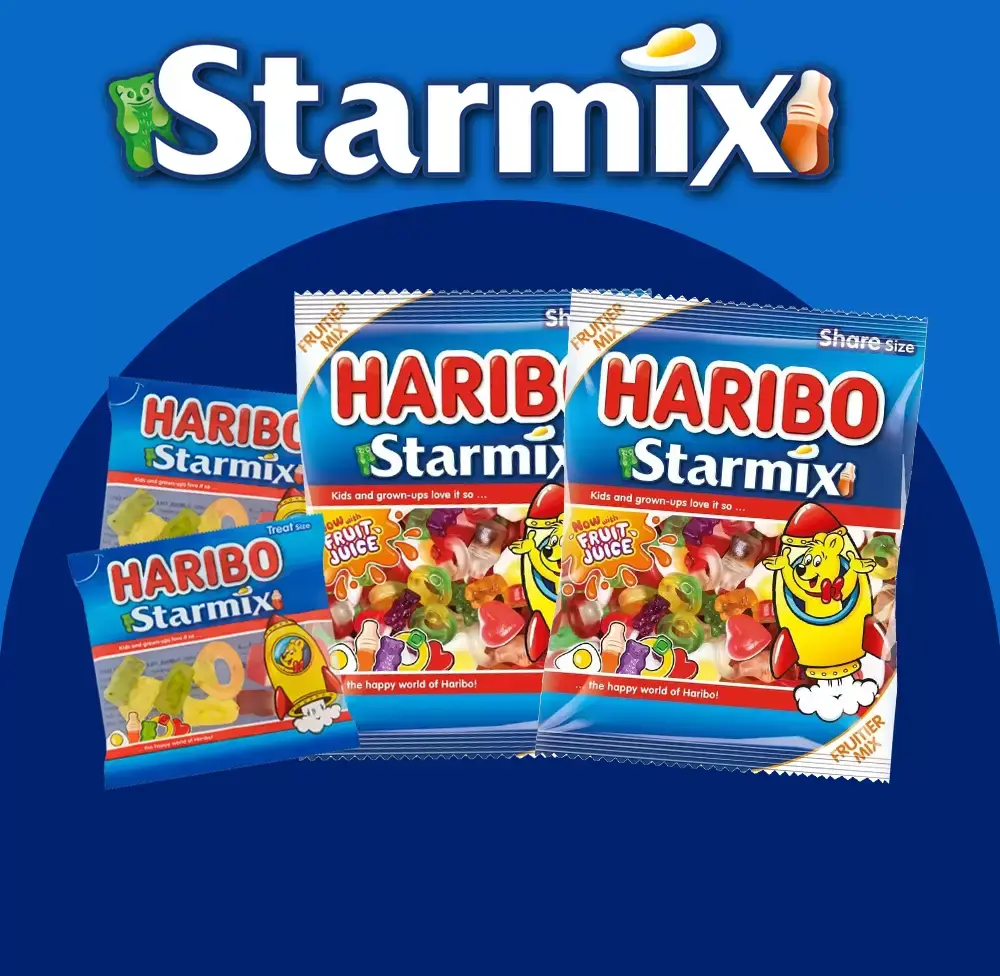
Haribo Uses a Simpler Bag Than You Think — And a More Complicated One Than You’d Expect

Haribo bags look like any other snack bag — but the engineering brief is completely...

Read More

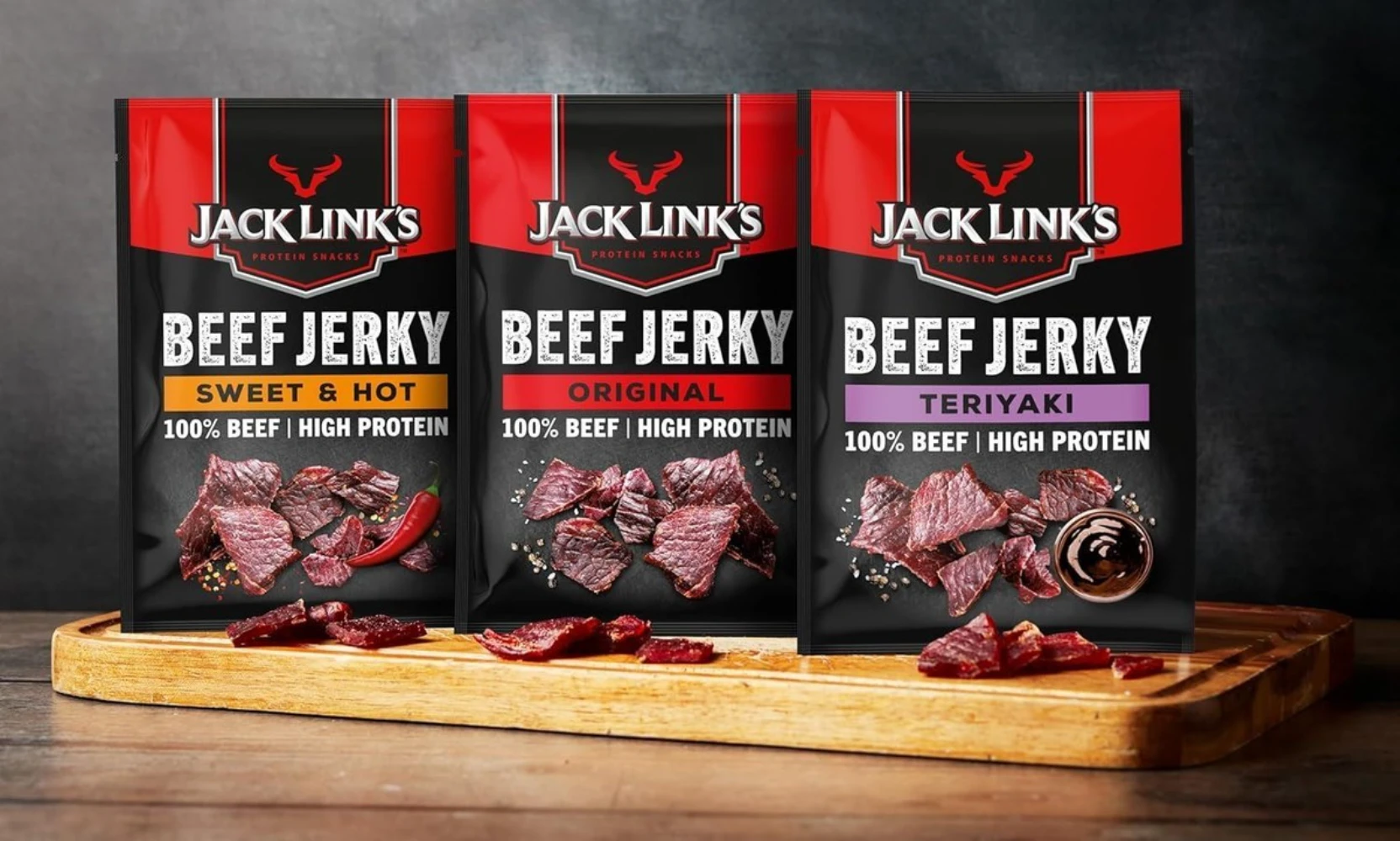
What Packaging Does Jack Link’s Use? A Manufacturer’s Breakdown

Jack Link's is the world's best-selling beef jerky brand — and its packaging is significantly...

Read More

Sunscreen Stability Under Heat: Which Fails First—UV Filters, Fragrance, or Viscosity—and How Should Testing Be Designed?

Heat exposure can make a sunscreen look “fine” while protection, smell, or texture quietly drifts....

Fragrance in Plastic vs Glass: Which Loses Top Notes Faster and Why Does Permeation Matter?

Some fragrances smell bright at launch, then feel flat weeks later. Customers notice missing top...

Why Do Lotions Separate After Shipping: Heat Cycling, Emulsion Breakdown, and What Packaging Can and Cannot Fix?

Lotions can arrive separated, even when they looked perfect at release. Customers blame the bottle....

Vitamin C Serum Packaging: What Actually Slows Oxidation—Airless Pumps, Droppers, or Barrier Materials?

Vitamin C serums can oxidize fast. Color shifts and potency drops frustrate customers. Many brands...

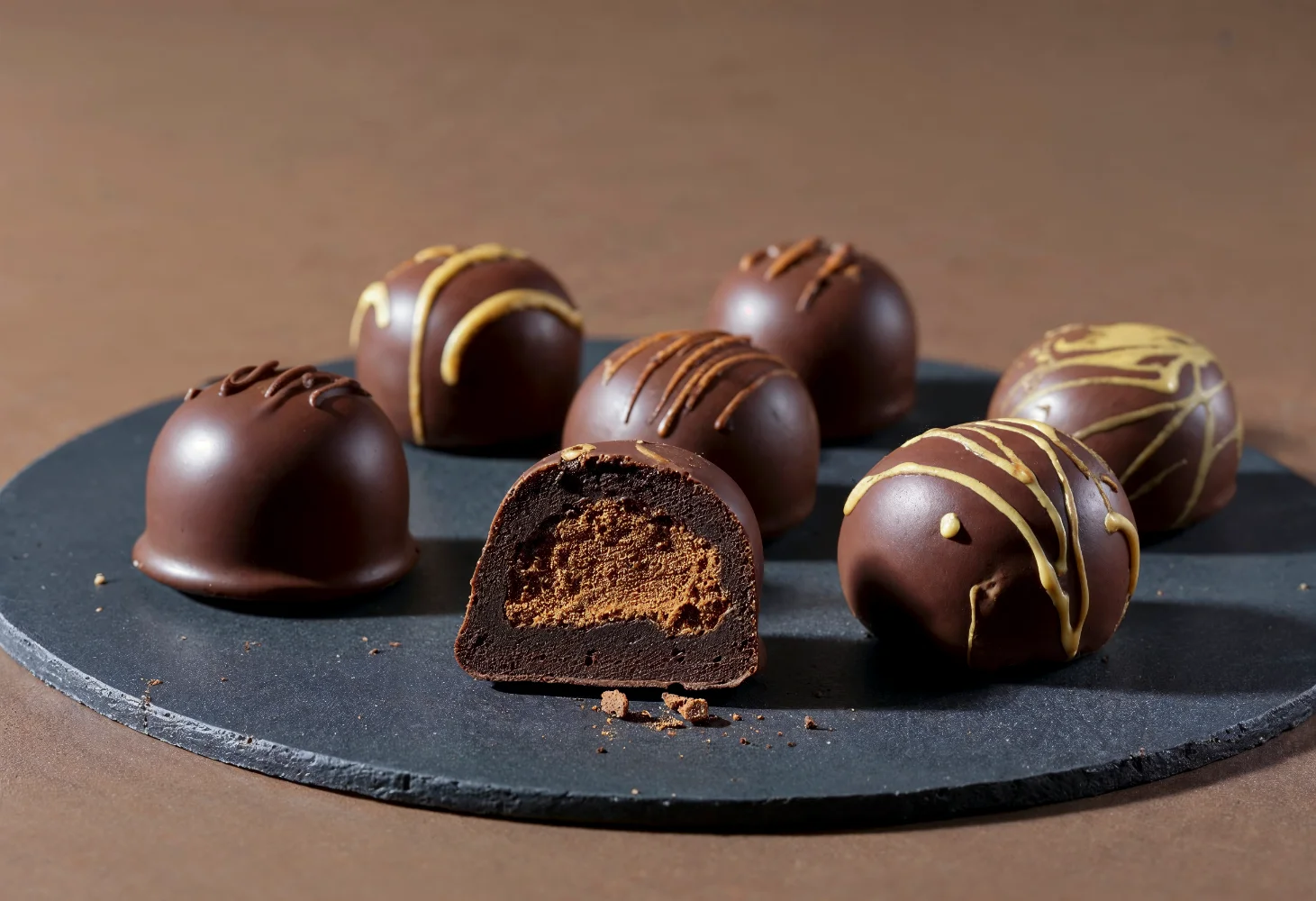
Chocolate Bars vs Filled Chocolates: Which Fails First Under Heat Cycling and Why?

Chocolate can look perfect at packing, then arrive dull, gray, or oily. Heat cycling often...

Flow Wrap vs Resealable Pouch for Cookies: What Actually Reduces Staling and Flavor Loss?

Cookies can taste “old” fast. They lose crunch. They lose aroma. The worst part is...

Freeze-Dried Pet Treats vs Jerky: What Really Drives Shelf Life—and What Packaging Can Control?

Crunchy one week, leathery the next—and customers blame the treat. The real culprits are usually...

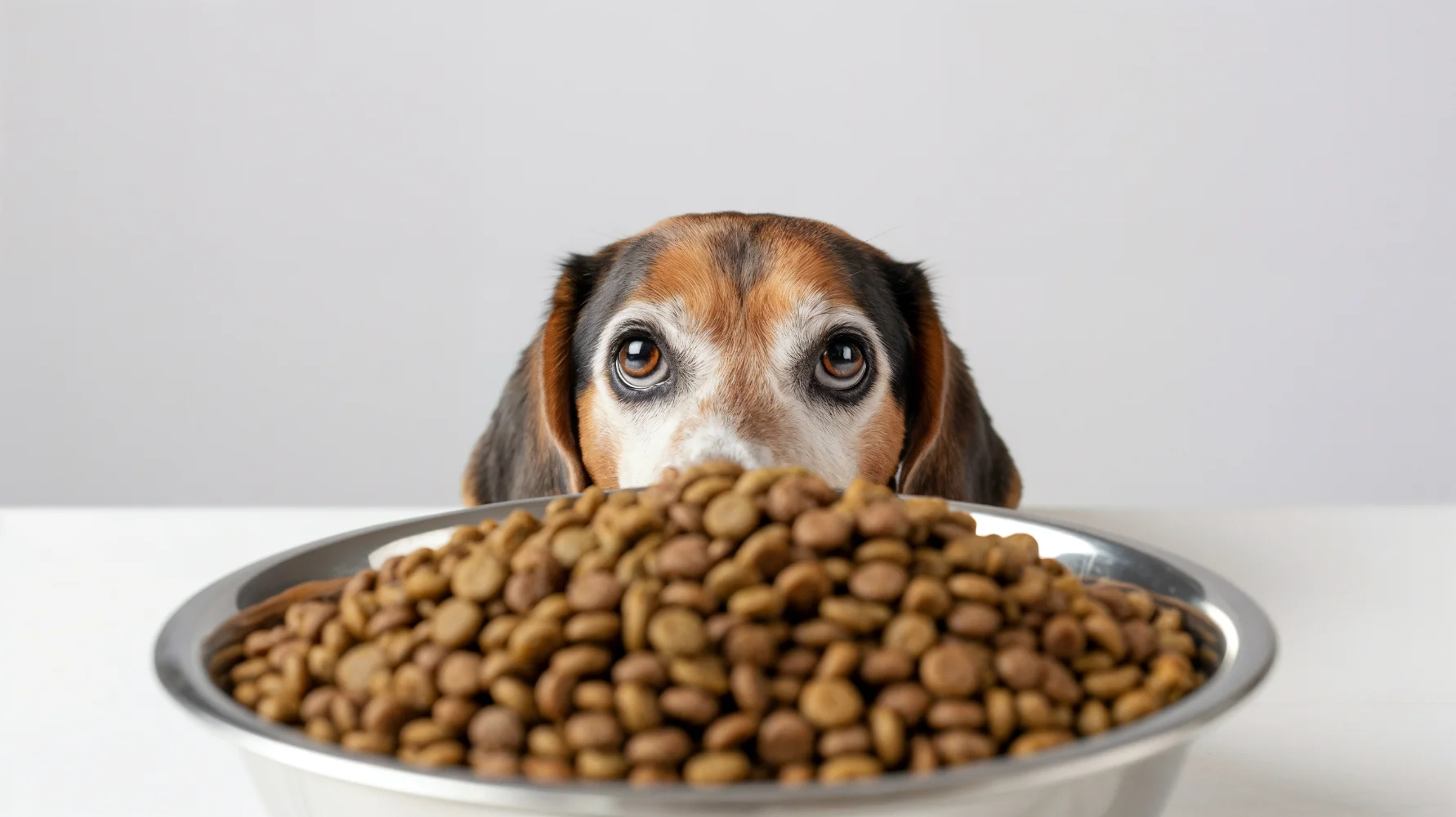
Why Do Kibble Bags Fail on Shelf: Grease Migration, Pinholes, and Odor Loss?

Kibble looks fine at packing, then shows grease spots, weak aroma, and “stale” complaints on...

Why Do Your Pet Treats Go Soft? Humidity, WVTR, and Seal Leaks That Kill Crunch

If your crunchy treats keep turning soft, customers blame “stale product.” The real culprit is...

Gummy vs Hard Candy vs Chewy Candy: Does Water Activity Explain Shelf Life Better Than “Thicker Bags”?

Sticky, clumped candy can wreck reviews fast, and many teams blame the film first. That...