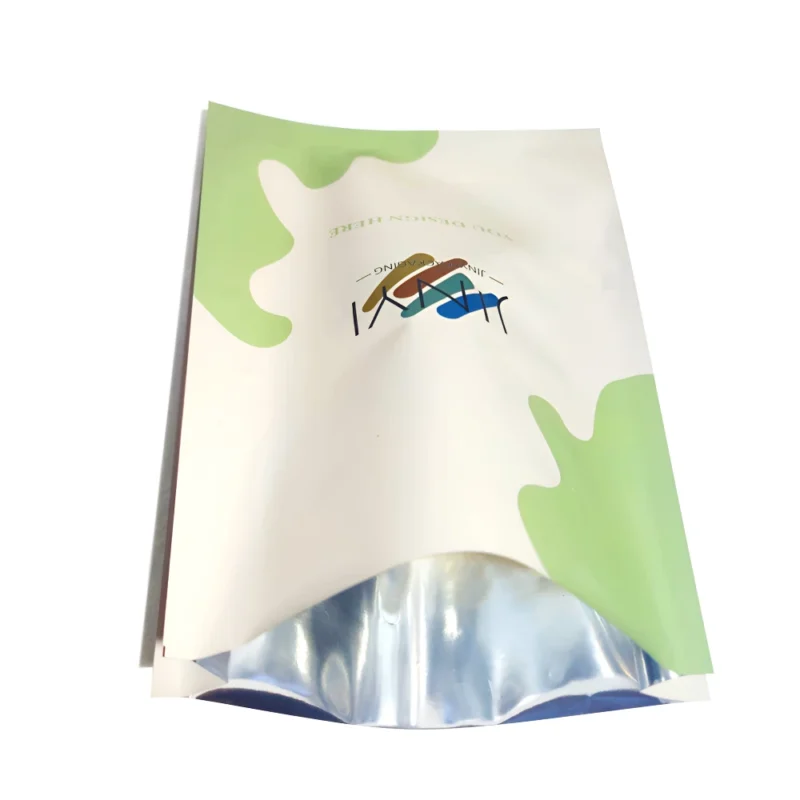
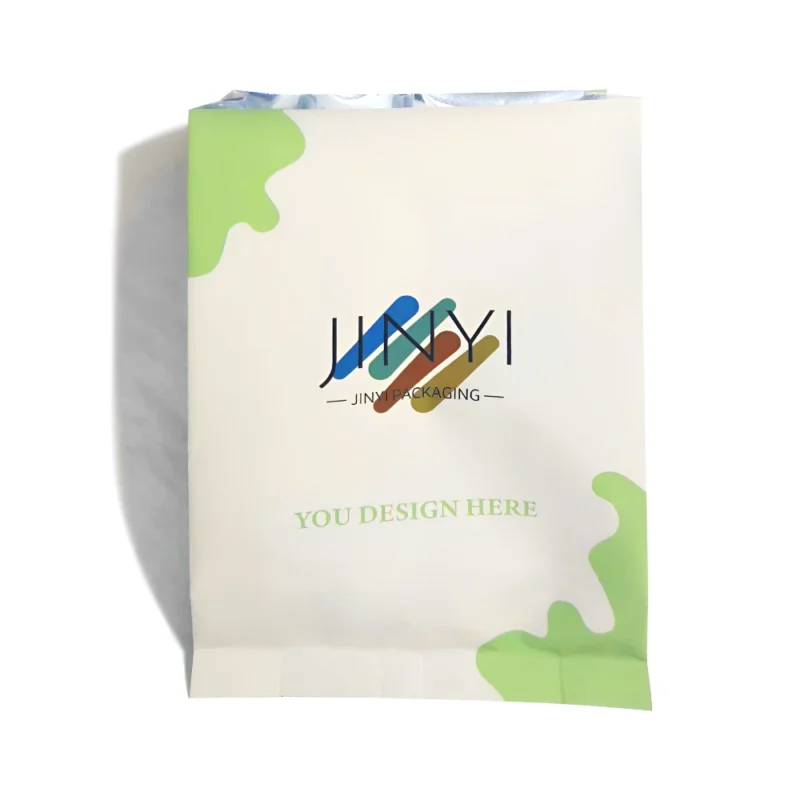
JINYI shares practical packaging guidance for your decisions.
The bag your pet food brand goes to market in isn’t just packaging — it’s the first thing a buyer sees on a shelf, the thing that keeps your product fresh through distribution, and the physical object that communicates whether your brand belongs in a premium pet store or a discount bin. Getting that decision wrong is expensive. Getting it right from the start is one of the highest-leverage moves a new pet food brand can make.
This guide covers the decisions that matter most before you place your first custom order: which format fits your product and channel, what material and barrier spec your pet food actually needs, how finish and branding choices affect retail performance, and what MOQ and lead times to expect. If you want to go deeper on how these pouches are actually manufactured, our complete guide to how custom stand-up pouches are made covers the full production process end to end.
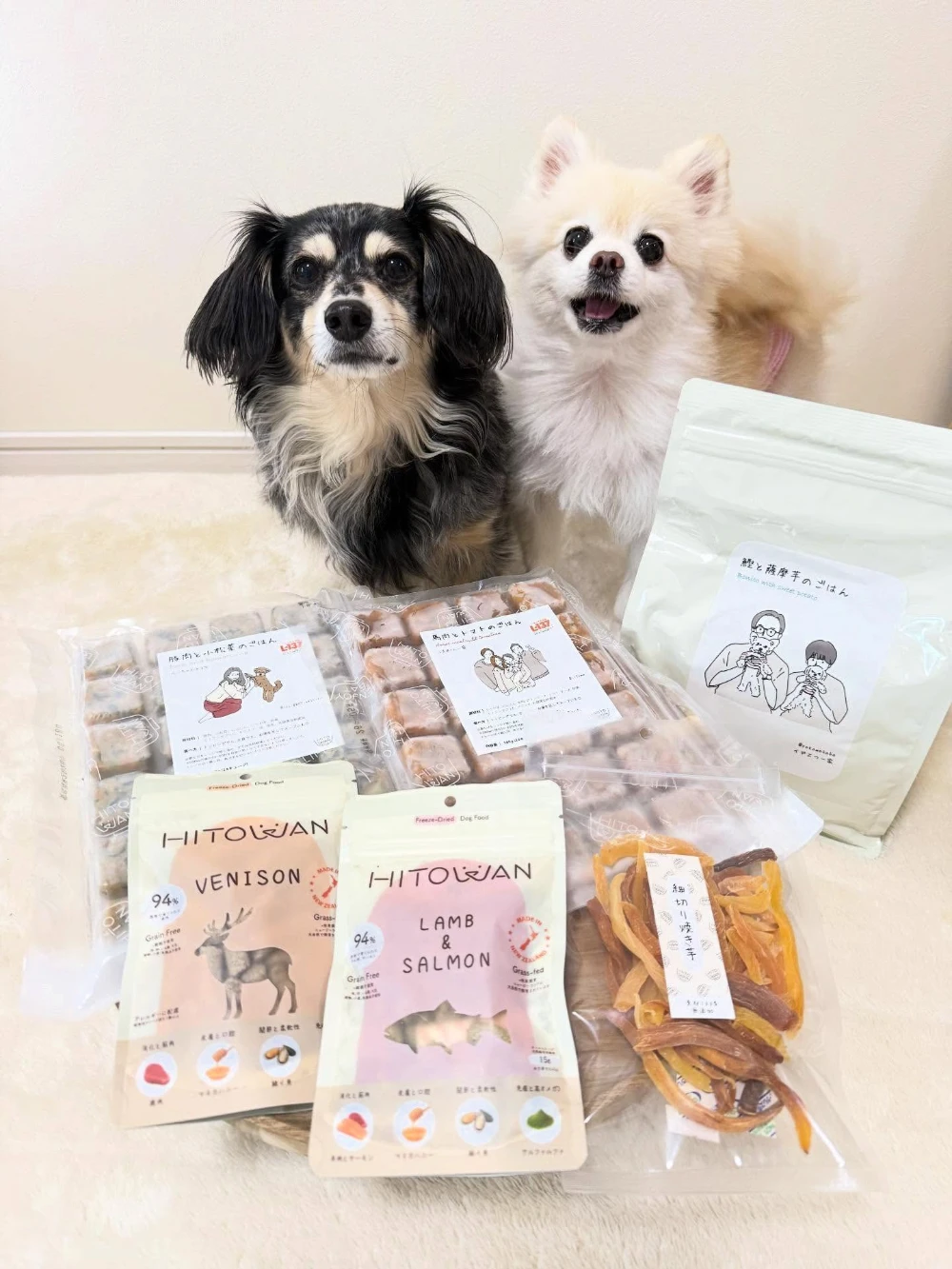
HITOWAN’s custom pet food pouches produced by JINYI — their client captured this shot with their dogs, a real-life moment that shows the product in the hands of the people it’s made for.
Pick your pouch format based on product type and sales channel first — stand-up pouches suit most new brands, flat bottom bags suit premium retail, side gusset bags suit large-format or wholesale SKUs.
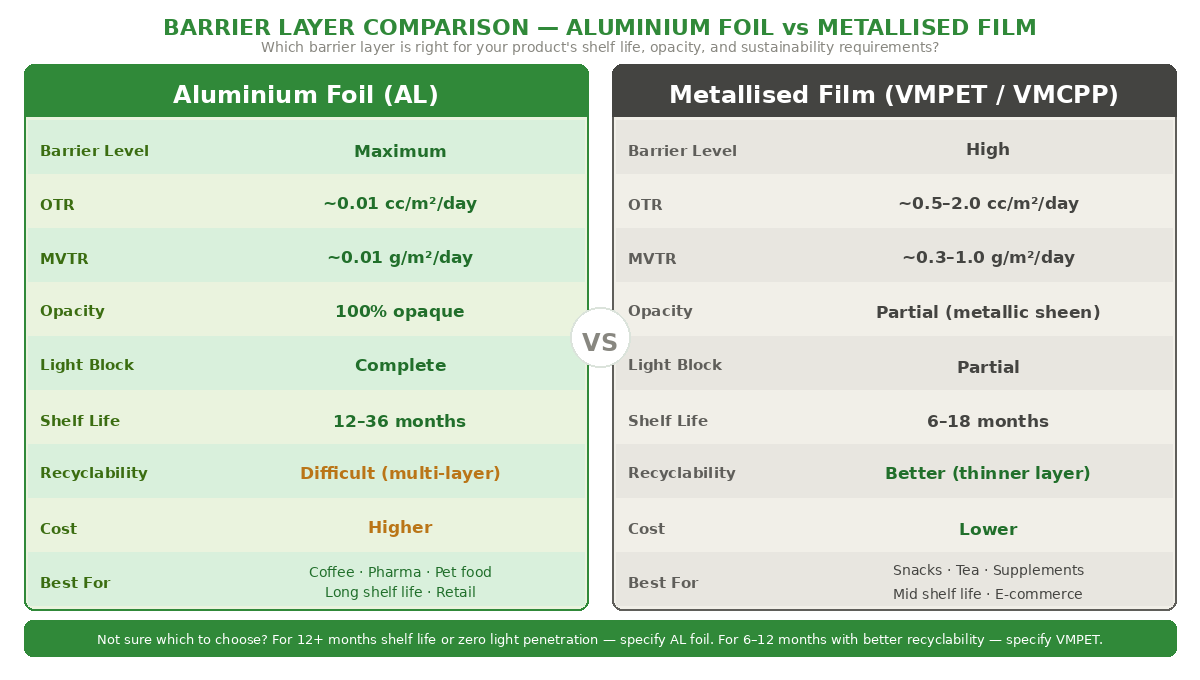
Use high-barrier materials for pet food — aluminium foil or VMPET laminates are the minimum spec for most categories; wet food and freeze-dried require full foil.
Your surface finish is a brand decision as much as a packaging decision — matte communicates premium, gloss communicates value, and the wrong choice can undermine your price point.
Plan for MOQ starting from 500 units via digital print — the right entry point for new brands before volume is confirmed.
JINYI dispatches within 7–15 days from artwork approval (no sample required) — significantly faster than the industry average.
Always request material documentation from your supplier — food-contact certification and barrier specs are required for most retail compliance and organic claims.
Why Pet Food Packaging Decisions Are More Complex Than Most Categories
Pet food packaging looks straightforward from the outside — a pouch, a zipper, some branding. In practice, it sits at the intersection of food safety requirements, shelf life engineering, retail compliance, and brand positioning in a way that most other consumer categories don’t. A brand that gets its packaging spec wrong doesn’t just end up with a bag that looks off — it ends up with product that degrades before it reaches the consumer, fails import compliance checks, or gets rejected by retail buyers who require specific documentation before a product can go on shelf.
The complexity comes from four directions at once. First, pet food covers a wide range of product types — dry kibble, wet food, freeze-dried raw, treats, chews, supplements — and each has meaningfully different barrier requirements, fill weights, and structural needs. A bag that works perfectly for dry kibble is inadequate for freeze-dried raw. Second, the pet food buyer is increasingly sophisticated: premium pet food has outpaced growth in the broader food category for years, and the brands winning shelf space and DTC loyalty are the ones whose packaging communicates quality as clearly as their ingredient list does. Third, retail compliance requirements — labelling, food-contact certifications, country-of-origin documentation — vary by market and need to be built into your packaging spec from the start, not retrofitted after production. Fourth, the pet food category is crowded, and packaging is one of the few levers a new brand controls entirely before launch.
Product Type
Typical Shelf Life
Barrier Requirement
Key Packaging Need
Dry kibble
12–18 months
Medium-High
Resealable zipper, puncture resistance
Wet / moist food
12–24 months
Highest
Full foil barrier, heat-seal integrity
Freeze-dried / raw
12–24 months
Highest
Moisture and oxygen barrier critical
Treats and chews
6–12 months
Medium
Resealable zipper, branding visibility
Supplements / powder
12–18 months
High
Moisture barrier, tamper-evidence
Note: Always tell your supplier your target shelf life and distribution conditions upfront — not just your product category. The same dry kibble sold in humid Southeast Asia needs a different barrier spec than the same product sold in a dry European climate. A supplier who doesn’t ask about this is not giving you the right spec.
Pouch Formats for Pet Food: Stand-Up, Flat Bottom, and Side Gusset Compared
The format you choose determines your shelf presence, your logistics cost, and how your brand reads to a buyer at retail or on a DTC product page. For pet food, three flexible formats cover the vast majority of the market — and each serves a different product profile and business model.
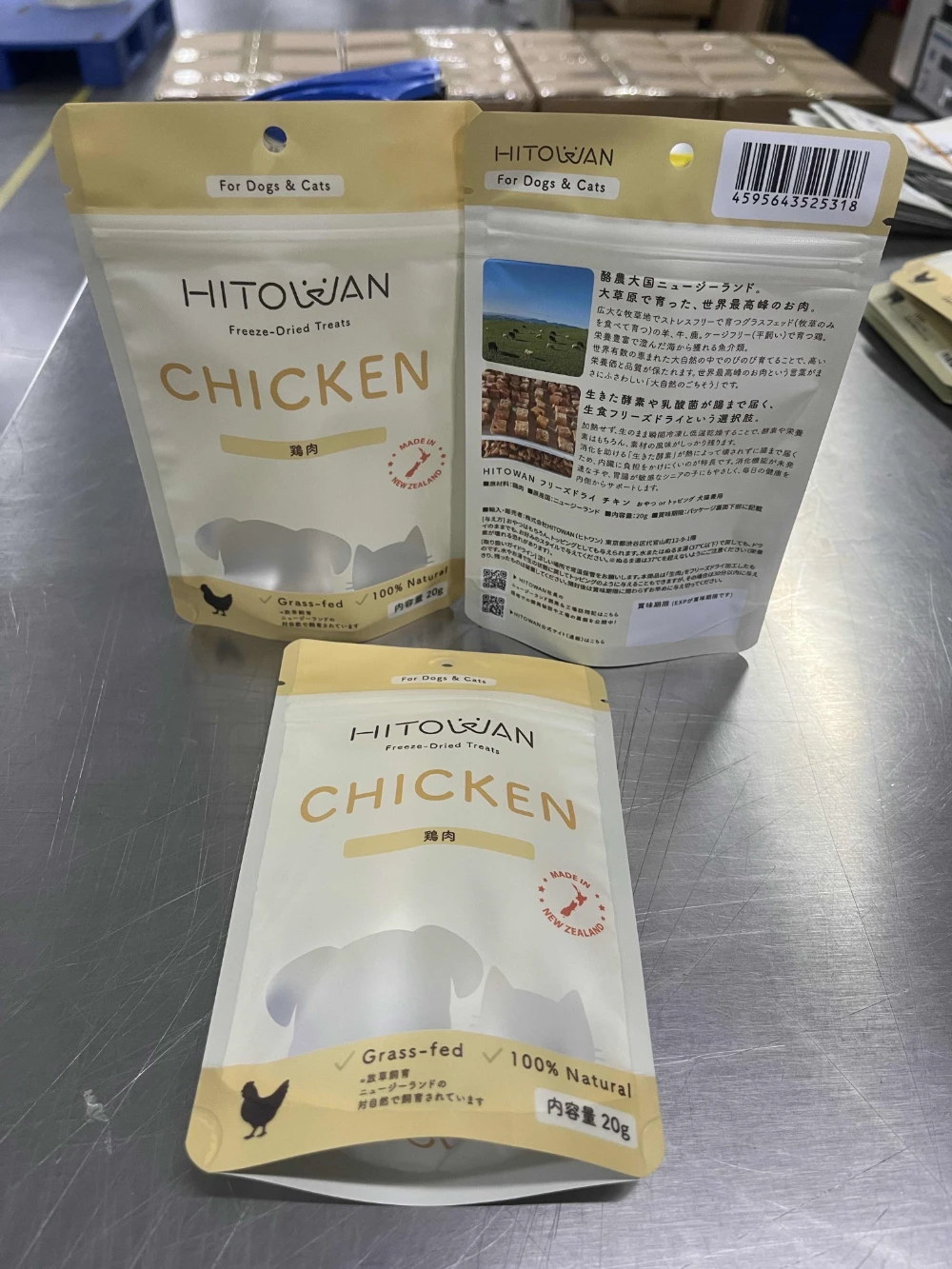
HITOWAN Chicken flavour pet food pouches produced at JINYI — warm-toned matte finish with Japanese-market illustration design and resealable zipper
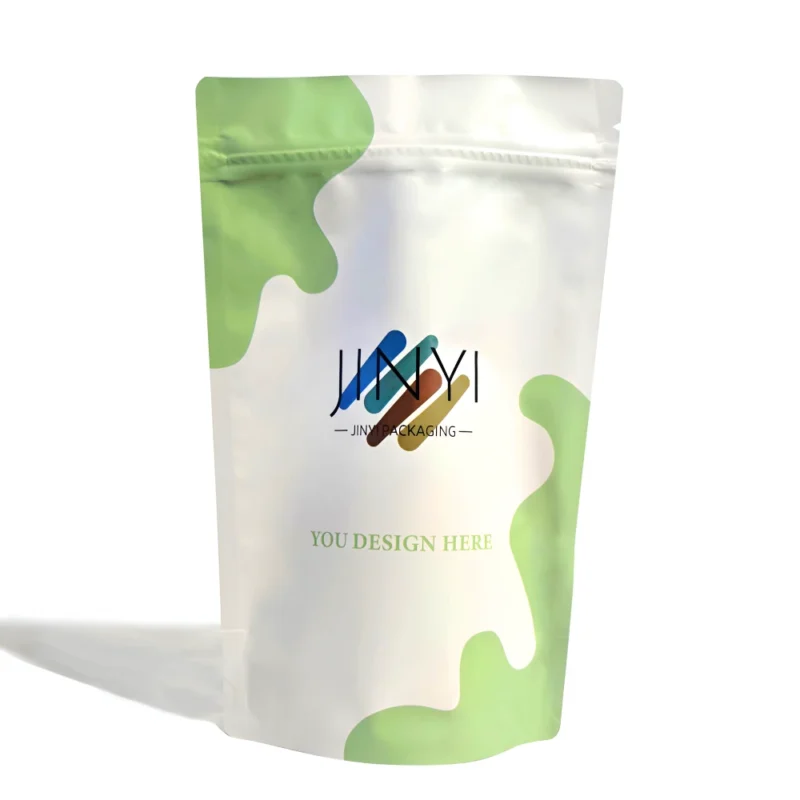
The stand-up pouch is the dominant format across treats, supplements, and small-format dry food SKUs. It holds its shape on shelf, ships flat when empty, works across a wide range of fill weights from 100g to 2kg, and carries the lowest MOQ of any flexible format. For most brands launching their first pet food SKU, the stand-up pouch is the right starting point — it validates your product and packaging at lower unit cost before you commit to a more premium format.
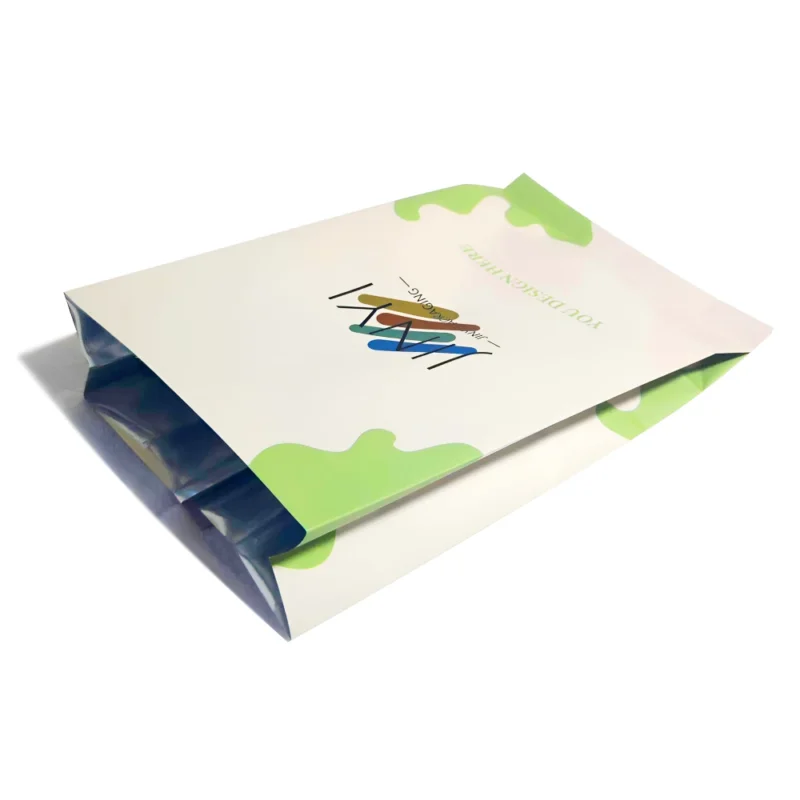
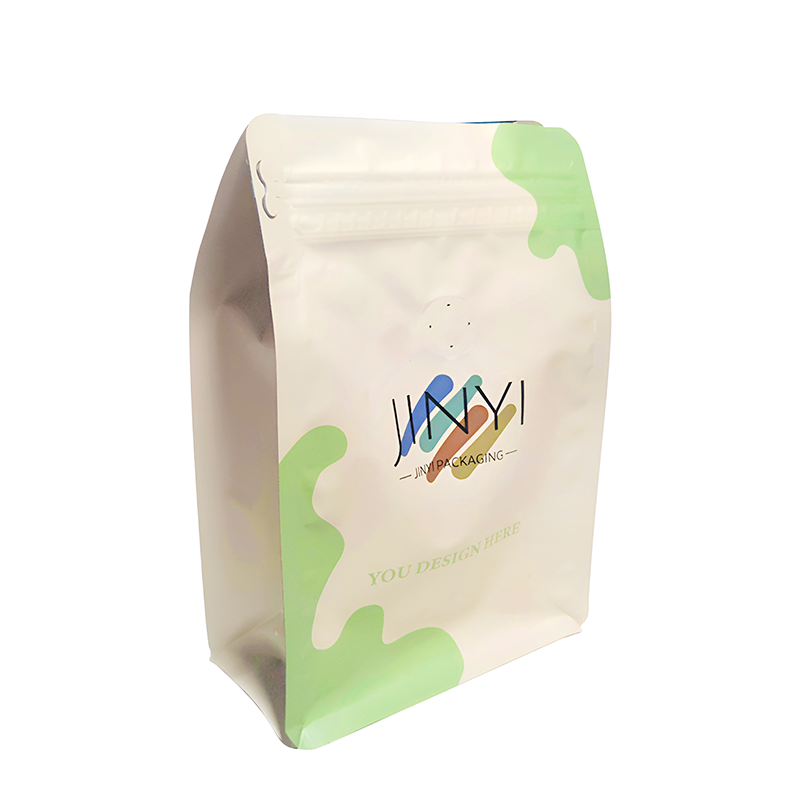
The flat bottom bag — also called a box bottom or quad-seal bag — provides a structured, box-like base that sits more rigidly on shelf and gives your brand a noticeably stronger retail presence. The wider flat base makes it more stable at all fill levels, and the four sealed side panels give you significantly more branding surface area than a standard stand-up pouch. Premium pet food brands — particularly those in the freeze-dried, raw, and functional nutrition segments — increasingly use flat bottom bags because the format communicates quality before the consumer reads a word. The trade-off is a higher unit cost and typically a higher MOQ.
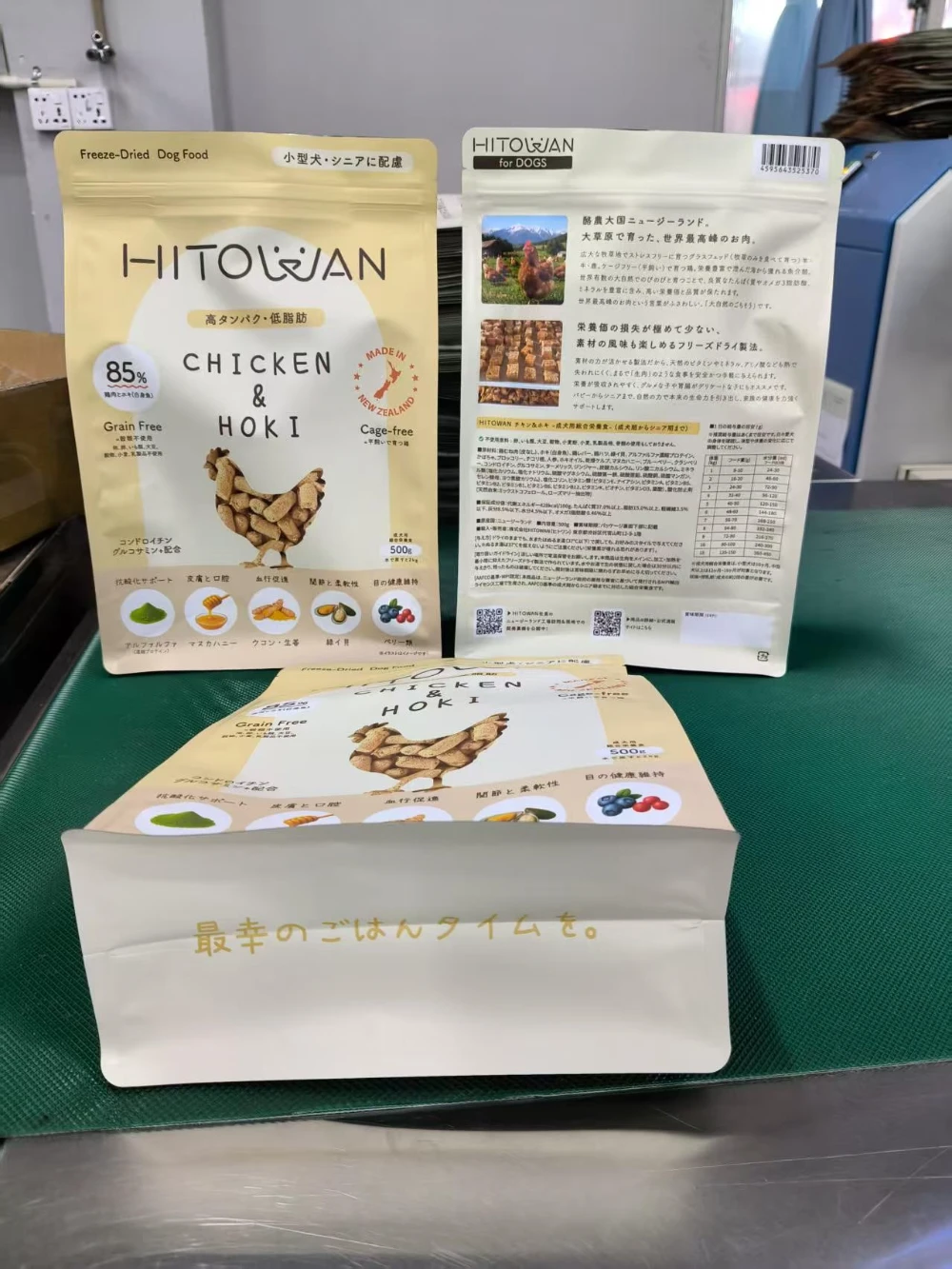
HITOWAN Chicken & Boki flavour pouches produced at JINYI — premium Japanese pet food packaging with matte white finish and full-colour illustration print
The side gusset bag is the right format for large-format dry food SKUs — typically 3kg, 5kg, 10kg, and above — where fill weight and structural integrity take priority over shelf aesthetics. The side-sealed construction handles heavy fills without the base deformation you get from a stand-up pouch at high weights, and the format is standard across the mainstream dry pet food category globally. If your primary SKU is a large-format kibble bag for wholesale or mass retail, this is the format to start with.
Format
Best For
Typical Fill Weight
Key Trade-Off
Stand-up pouch
Treats, supplements, small-format dry food, DTC
100g – 2kg
Most cost-efficient — softer shelf profile
Flat bottom bag
Premium dry food, freeze-dried, boutique retail
200g – 2kg
Best shelf presence — higher unit cost
Side gusset bag
Large-format kibble, wholesale, mass retail
3kg – 15kg
Best for heavy fills — less premium aesthetic
Tip: If you are launching multiple SKUs across different fill weights, you don’t need to use the same format for all of them. Many pet food brands use stand-up pouches for treats and small-format SKUs, flat bottom bags for their premium mid-size range, and side gusset bags for large-format bulk options — using format as a deliberate signal of product tier.
Materials and Barrier Requirements for Pet Food Packaging
Pet food packaging is almost always a multi-layer laminate — a combination of a structural outer film, a barrier layer, and a food-contact inner layer. The barrier layer is the critical variable. It determines how much oxygen and moisture can pass through the film over time, which directly controls your shelf life. Choosing the wrong barrier layer doesn’t just affect freshness — it can void your shelf life claims, expose you to compliance risk, and generate customer complaints that are difficult to diagnose without spec documentation.
Material Structure
Barrier Level
Shelf Life Target
Best For
PET / AL / PE (Full Foil)
Highest
18–24 months
Wet food, freeze-dried, raw, high-protein treats
PET / VMPET / PE (Metalized)
Medium-High
12–18 months
Dry kibble, treats, supplements
Kraft / AL / PE
High
12–18 months
Premium natural and organic pet food brands
Matte OPP / BOPP
Medium
6–12 months
Short shelf life treats, boutique brands with fast turnover
For most pet food brands targeting a 12-month or longer shelf life, PET/AL/PE full foil or PET/VMPET/PE metalized laminate are the two most practical starting points. Full foil gives you the highest barrier performance and suits any product with high moisture or fat content. Metalized VMPET gives you solid barrier performance at a lower unit cost and works well for dry kibble and treats where the shelf life requirement is achievable without the maximum barrier spec.
Kraft + foil laminate is worth considering for brands in the natural, organic, or holistic pet food space where the earthy material aesthetic is part of the brand language. It delivers the barrier performance of full foil while the kraft outer layer communicates a clean, natural positioning that resonates with the premium pet food buyer. For a closer look at how these film structures are built and why each layer matters, see our detailed breakdown in how custom stand-up pouches are made.
Note: Always request food-contact certification for the inner layer of your packaging before production begins. This documentation is required for compliance in most major markets and is standard practice at any reputable supplier. If a supplier cannot provide it on request, that is a significant red flag.
Surface Finish and Branding: How Your Bag Communicates Your Brand
The material spec determines how your packaging performs. The surface finish determines how it sells. In a crowded pet food aisle — or on a crowded DTC product page — finish is often the first signal a buyer receives about where your brand sits in the market. Getting this decision right doesn’t require a big budget. It requires understanding what each finish communicates and matching it to your brand’s positioning.
Finish
What It Communicates
Best For
Matte lamination
Premium, considered, restrained — the standard finish for premium pet food
The most common mistake in the pet food category is using a gloss finish on a brand that is positioned at a premium price point. Gloss reads as value — it’s the finish on mainstream grocery brands, discount treats, and private label products. If your product retails at a premium price, a matte finish is not optional. It’s the minimum visual signal that you belong at that price point.
Conversely, brands in the treat and value category sometimes over-invest in premium finishes that confuse their buyer. A gloss bag with bold colour printing and clear branding hierarchy is exactly what the mainstream pet treat buyer expects — and deviating from it without a clear reason can hurt rather than help shelf performance.
Tip: Before finalising your finish choice, look at where your product will sit at retail — physically or digitally — and identify what the brands at your target price point are using. Your finish should position you within that tier, not against it. A matte finish that looks out of place among gloss competitors is as much a problem as a gloss finish that undersells a premium product.
MOQ and Pricing: What Pet Food Brands Should Expect
MOQ in custom pet food packaging isn’t a fixed number — it varies by format, print method, film structure, and pouch size. Understanding how these variables interact helps you choose the right supplier for your current stage, rather than committing to volumes your sales can’t yet support.
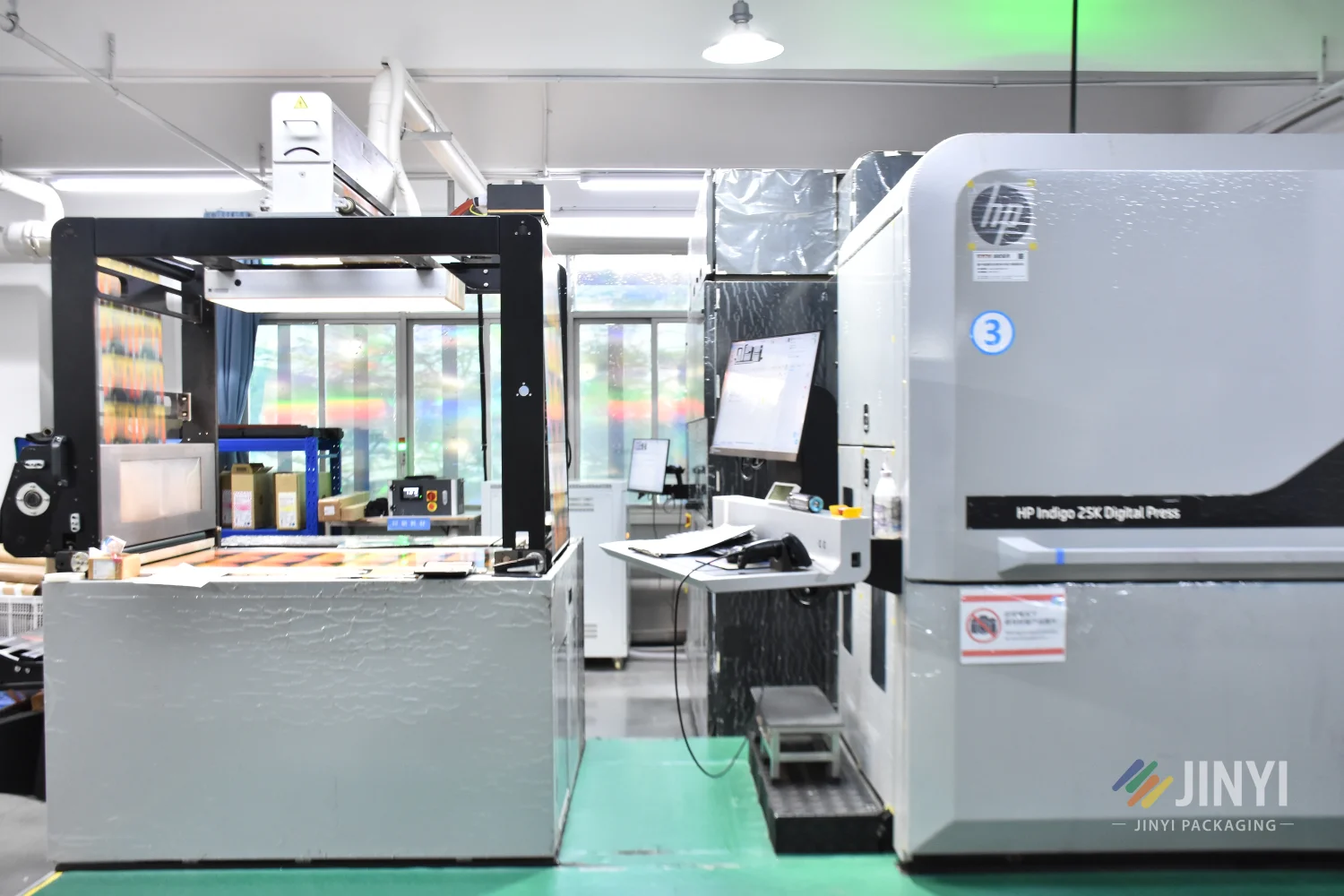
HP Indigo 25K at JINYI — consistent colour output across all press systems via ESKO Automation Engine
Format
Print Method
Typical MOQ
Best For
Stand-up pouch
Digital print
500 – 1,000 pcs
New brands, multiple SKUs, market testing
Stand-up pouch
Gravure print
3,000 – 5,000 pcs
Established brands with confirmed volume
Flat bottom bag
Digital or gravure
1,000 – 3,000 pcs
Premium retail brands with confirmed demand
Side gusset bag
Gravure print
3,000 – 5,000 pcs
Large-format wholesale and mass retail SKUs
Digital printing is the right starting point for most new pet food brands. There are no plate fees, setup costs are lower, and you can run multiple SKUs — different flavours, sizes, or product variants — at lower volume without each one needing to hit MOQ individually. The per-unit cost is higher than gravure at scale, but your total upfront commitment stays manageable while you validate your product and packaging in the market.
Gravure printing delivers superior colour consistency and a significantly lower per-unit cost at scale. Once your demand is confirmed and your packaging design is locked, transitioning to gravure is the standard path — and a supplier who runs both digital and gravure lines gives you that transition without changing partners. If you are launching multiple SKUs with the same bag structure but different artwork, ask your supplier whether they can consolidate across SKUs to meet MOQ rather than requiring each variant to hit the minimum independently.
Tip: When comparing quotes, make sure you are comparing like for like. MOQ, print method, film structure, plate fees, sample costs, and whether material documentation is included all affect your total cost. A lower unit price that excludes plate fees or certification documents is not a lower total cost.
Lead Times and How to Plan Your Launch
Most custom packaging suppliers quote 4–6 weeks for production alone. At JINYI, orders without a sample requirement are dispatched within 7–15 days from artwork approval — shipping time not included. That timeline applies across stand-up pouches, flat bottom bags, and side gusset bags in standard film structures, for both digital and gravure print runs.
Stage
Without Sample
With Sample
Quote and spec confirmation
1 – 3 days
1 – 3 days
Dieline and artwork approval
2 – 5 days
2 – 5 days
Sample production and review
Not required
7 – 10 days
Production and dispatch
7 – 15 days
7 – 15 days
Total to dispatch
10 – 23 days
17 – 33 days
The most common source of delay at any supplier — including JINYI — is artwork revision loops. Every round of changes on the dieline or print file adds 2–5 days. Getting your brand direction, colour palette, and artwork finalised before engaging your supplier is the single most effective way to compress your timeline. If you are working with a designer on your packaging artwork, brief them with the dieline template from your supplier before they start — not after.
Tip: If your launch date is fixed and time is tight, skip the sample and go straight to production — JINYI dispatches within 7–15 days from artwork approval. If you have flexibility, a sample adds 7–10 days and gives you a final checkpoint on colour accuracy, zipper function, and seal integrity before committing to a full run.
JINYI Client Case Study: HITOWAN — Tokyo’s Premium Pet Food Chain
When a brand runs seven pet food retail stores across Tokyo — one of the most competitive consumer markets on the planet — every decision they make is held to a higher standard. HITOWAN is exactly that kind of client. And they chose JINYI.
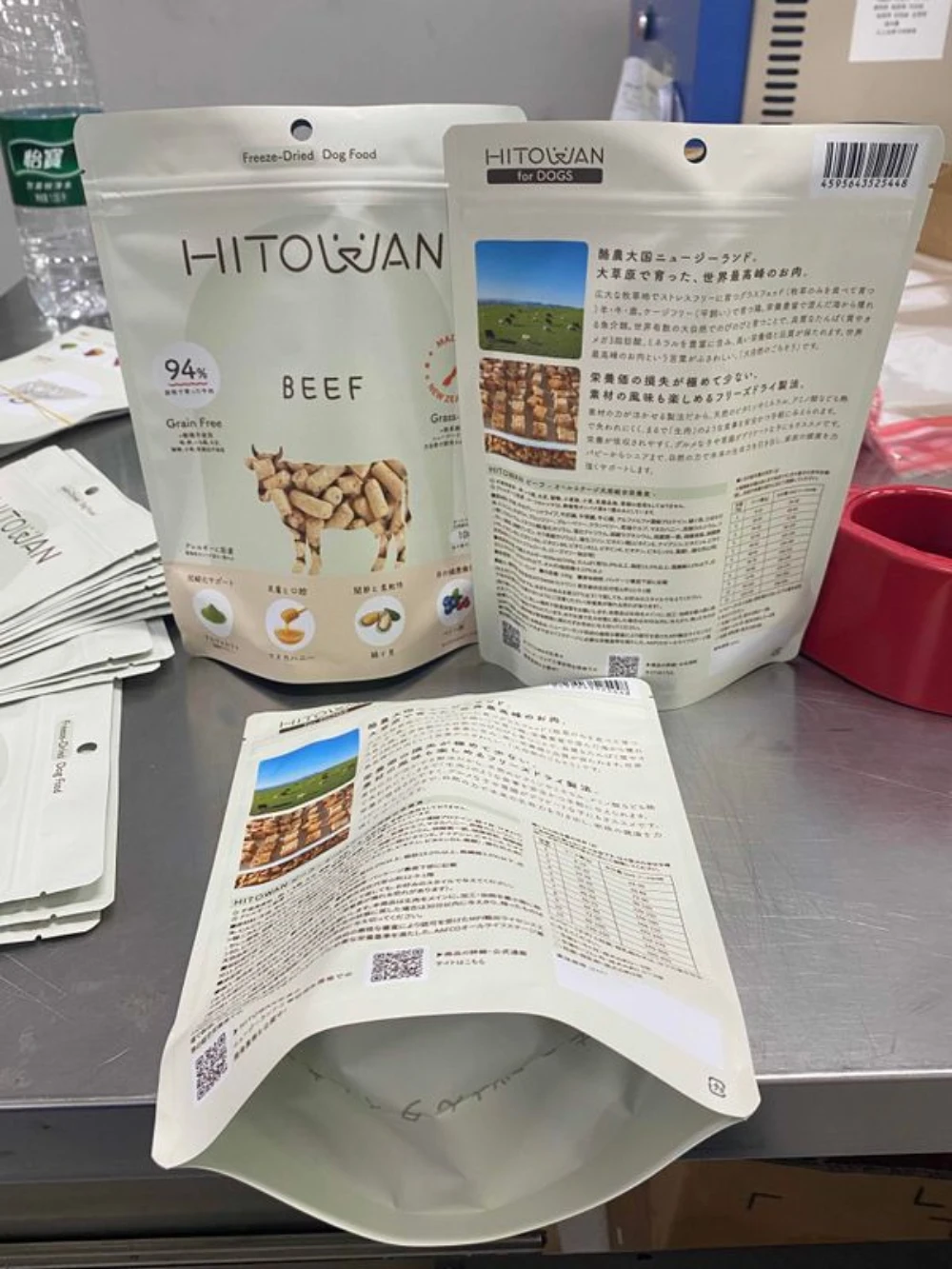
HITOWAN Beef flavour pet food pouches produced at JINYI — Japanese market pet food flexible packaging with illustration print and resealable zipper
HITOWAN’s packaging requirements span two distinct supply chains, and both demand the same uncompromising barrier performance. A portion of the pouches we produce ship directly to New Zealand, where premium meat ingredients are processed and sealed on-site before making the long journey back to Japan — meaning every bag must survive international transit across shifting temperatures and humidity conditions without a single point of seal failure or barrier compromise. The remaining pouches ship to HITOWAN’s central kitchen in Japan, where fresh pet meals are prepared and filled daily before being distributed to their seven retail stores for immediate sale — a completely different use case, but the same non-negotiable requirement for airtight freshness from the moment of sealing.
Two supply chains. Two sets of demands. One supplier they trust with both: JINYI.
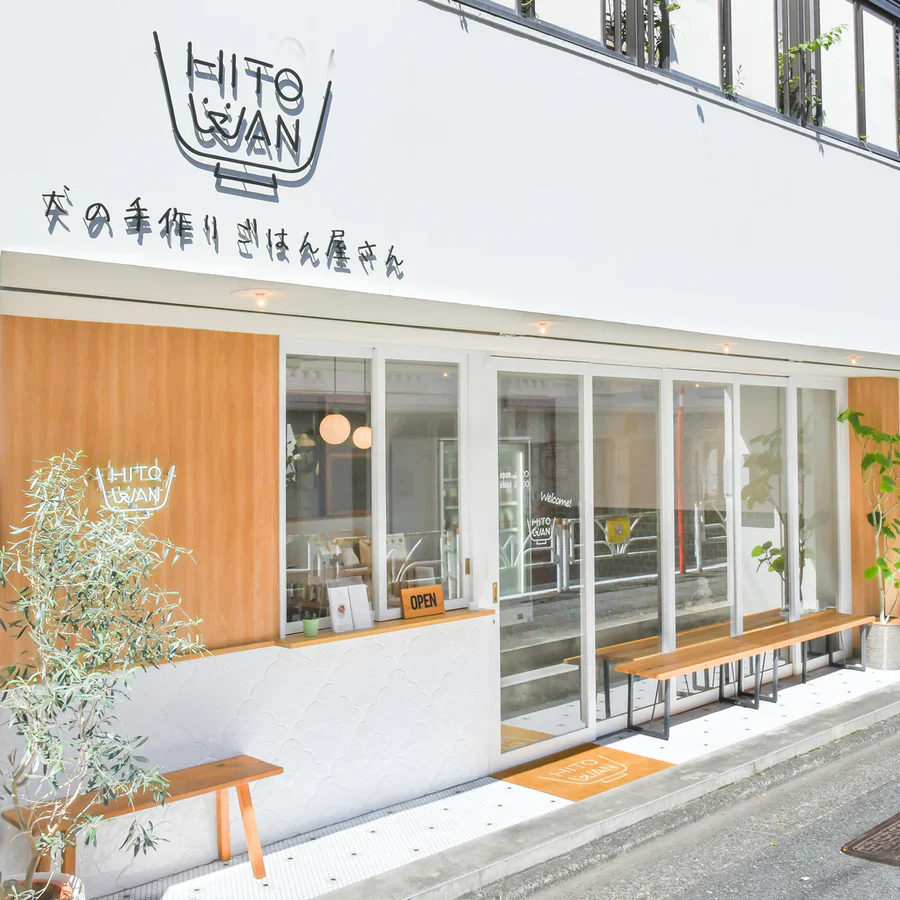
One of HITOWAN’s seven Tokyo retail locations — a brand built on freshly prepared pet food and the kind of quality standard that demands packaging to match.
Every pouch across HITOWAN’s retail range — chicken, venison, fish, beef, and beyond — was produced at JINYI’s factory. The high-barrier laminate structure we specified for their range was chosen precisely because it meets the dual demands of long-haul transport integrity and same-day freshness preservation. Nothing was left to chance.
This is what factory-direct packaging from JINYI looks like in practice: a premium brand in one of the world’s toughest markets, trusting us with product lines where the packaging has to perform as hard as the product inside it — every single bag, every single order.
Pet food is one of the most unforgiving categories in flexible packaging. The barrier requirements are strict, the compliance documentation is non-negotiable, and the brands that win shelf space and consumer loyalty are the ones whose packaging performs as hard as the product inside it. Getting this right requires more than a supplier who can print a bag — it requires a factory that understands the spec, documents everything, and delivers consistently across every order.
That is what JINYI is built to do. Fifteen years of production experience, HP digital and gravure print capability under one roof, and full material certification as standard — not as an add-on. If your pet food brand is ready to move from concept to packaging, we are ready to spec it with you.
Source Your Custom Pet Food Packaging Factory-Direct
Tell us your format, product type, target shelf life, surface finish, and volume. We will come back with a full spec recommendation, material documentation, and a factory-direct quote — within 24 hours.
JINYI is a source factory for custom flexible packaging with 15+ years of production experience, serving pet food, food, supplement, and consumer goods brands across 150+ countries. Our facility runs HP digital print systems alongside multiple gravure printing lines — giving brands a clear path from small launch orders to full-scale production without changing suppliers.
Every client receives full material specification documentation with their order as standard — film structure, barrier data, and food-contact certifications included. That is what From Film to Finished — Done Right means in practice.
Elsa
Business Development Manager · JINYI Packaging
Elsa leads business development and customer order management at JINYI. With 8 years in foreign trade across Yiwu and Dongguan, she has a sharp understanding of market demand and what buyers actually need — turning real customer insight into the right packaging decisions.
Customer needs Order management Business development
It depends on your product type and sales channel. Stand-up pouches suit treats, supplements, and small-format dry food — they are the most cost-efficient starting format for most new brands. Flat bottom bags suit premium dry food and freeze-dried products where shelf presence and brand positioning are the priority. Side gusset bags suit large-format kibble and wholesale SKUs where fill weight and structural integrity take priority.
What material should I use for dog food packaging?
For dry kibble with a 12–18 month shelf life, PET/VMPET/PE metalized laminate provides solid barrier performance at a practical cost. For wet food, freeze-dried, or high-protein products requiring 18–24 months shelf life, PET/AL/PE full foil laminate is the correct spec. For natural or organic brands where material aesthetic matters, kraft + foil laminate delivers the same barrier performance with a cleaner visual.
What MOQ should I expect for custom pet food packaging?
For digital print stand-up pouches, MOQ starts from 500 units with no plate fee — the most accessible entry point for new brands. Flat bottom bags typically start from 1,000 units. Side gusset bags and gravure print runs generally require 3,000 units or more. Contact your supplier with your full spec for a confirmed minimum.
How long does custom pet food packaging take to produce?
At JINYI, orders without a sample requirement are dispatched within 7–15 days from artwork approval — significantly faster than the industry average of 4–6 weeks production alone. Including a sample round adds 7–10 days. Total time from first contact to dispatch is typically 10–33 days depending on whether samples are requested. Shipping time to your location is additional.
Should I use matte or gloss finish for my pet food packaging?
Matte finish communicates premium positioning and is the standard for brands at higher price points — freeze-dried, functional nutrition, and specialty pet food. Gloss finish communicates accessibility and is standard for mass-market treats, value kibble, and mainstream retail brands. Match your finish to your price point and retail environment, not to personal preference.
Can I get different bag formats with the same film structure?
Yes. Stand-up pouches, flat bottom bags, and side gusset bags can all be produced in the same PET/AL/PE or PET/VMPET/PE film structure. This means you can run different formats across your SKU range — using format as a product tier signal — without changing your barrier spec or material supplier. Contact us with your full range to discuss consolidation options across formats.