Royal Canin is one of the most recognised names in global pet nutrition. Founded in France in 1968 and now part of the Mars family of brands, the company produces over 600 formulas covering dogs and cats across every life stage, breed, size, and health condition. Their distribution spans veterinary clinics, specialty pet retailers, grocery chains, and e-commerce worldwide. Managing that volume and that distribution complexity while maintaining a consistent brand identity requires packaging decisions that are as precise as the nutritional formulas inside the bag. This breakdown covers what Royal Canin packaging is actually made of — format, film, finish, and the sustainability challenge they have chosen to address head-on — and what those choices tell pet food brands about sourcing the same structures factory-direct.

What Makes Royal Canin’s Packaging Strategy Stand Out
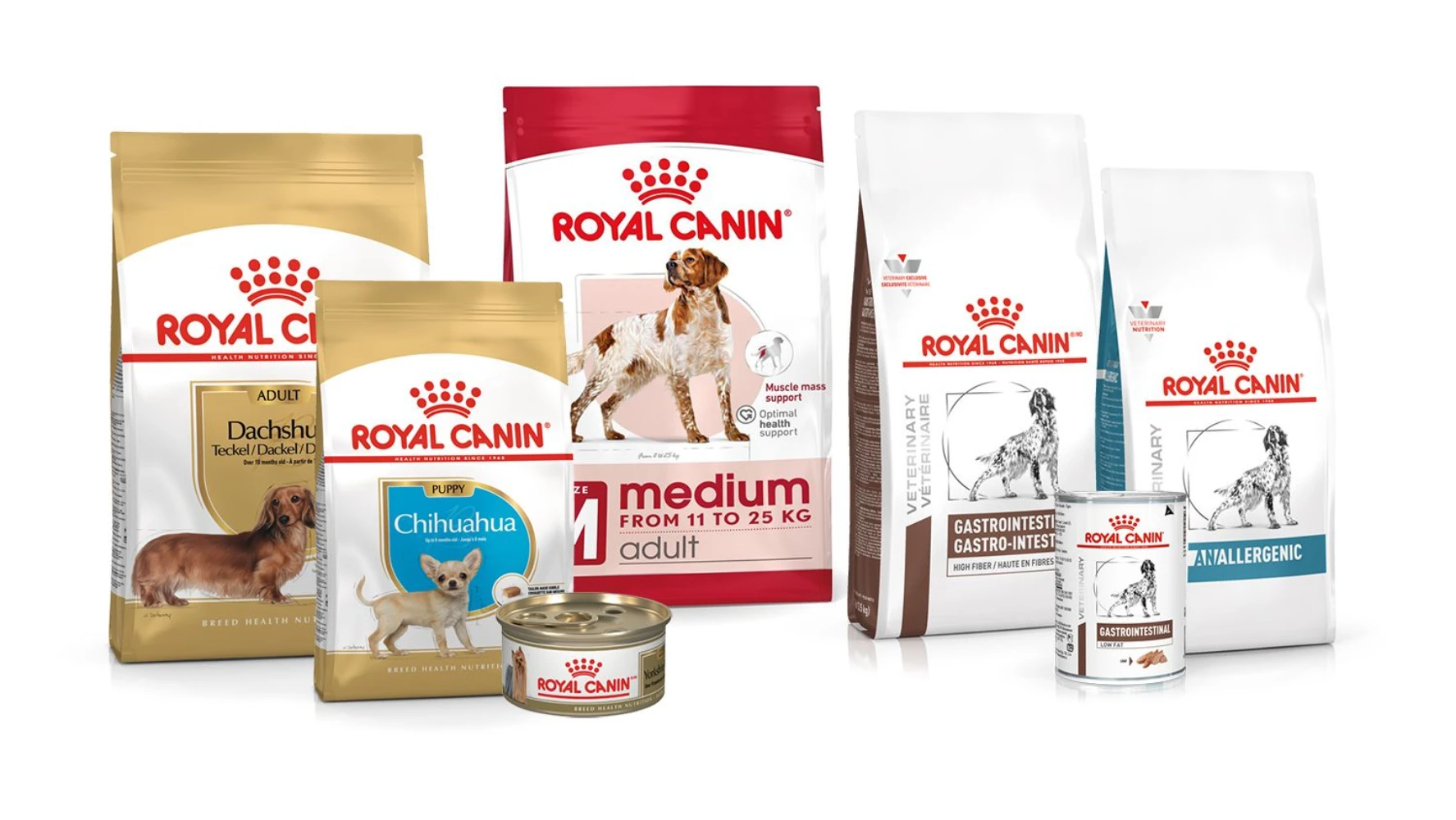
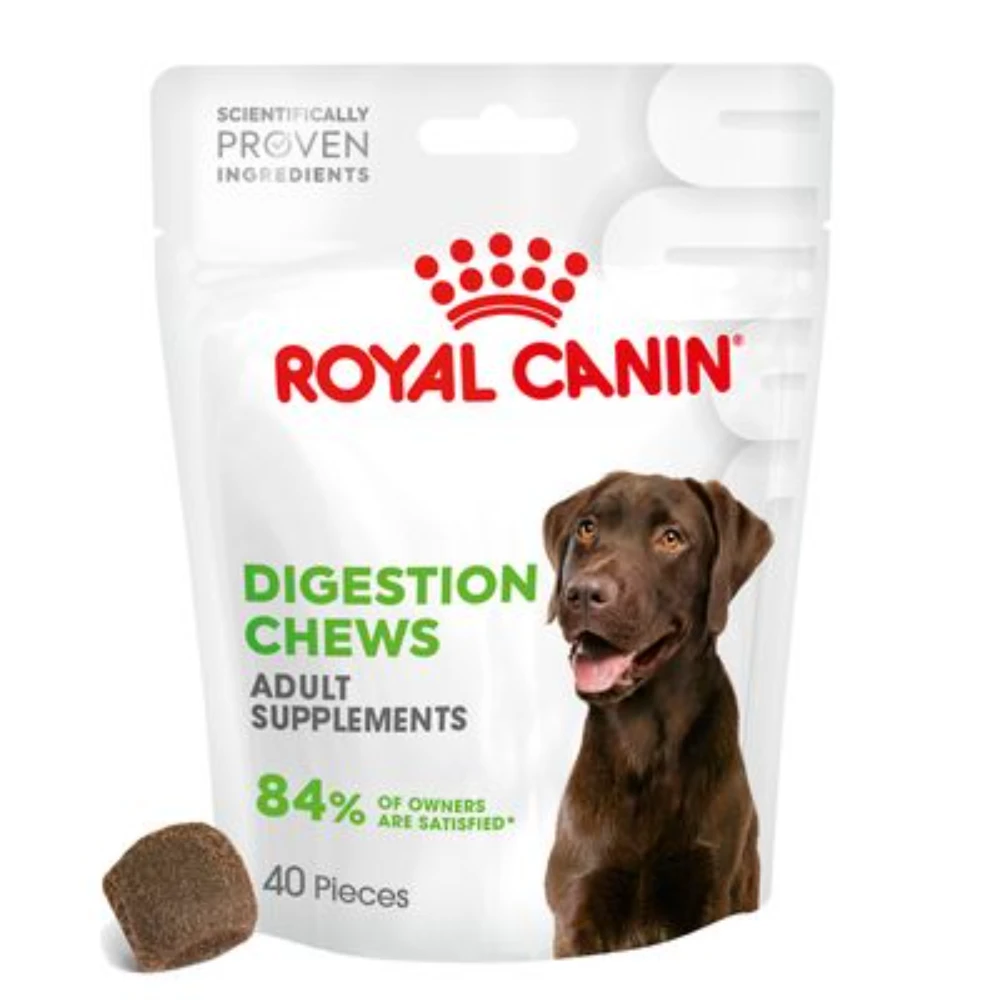
Walk into any veterinary clinic or specialist pet retailer and Royal Canin bags are immediately recognisable. The packaging is predominantly white — clean, clinical, and consistent across their entire product range. Where most pet food brands compete through vivid photography of ingredients, lifestyle imagery of happy animals, and high-saturation colour palettes, Royal Canin does almost the opposite. The white bag, the sparse layout, the clinical typography, and the image of a specific breed or size category communicate one thing above all: this is science-based nutrition, not a lifestyle product.
This is not an accident of brand history. Royal Canin’s packaging design is a deliberate positioning strategy that mirrors their route to market. Their strongest distribution channel is not grocery retail — it is veterinary clinics and specialist pet stores where purchasing decisions are made on recommendation rather than shelf appeal. A bag that looks like it belongs in a veterinary dispensary is exactly right for a brand whose products are frequently recommended by veterinarians. The white design does the channel alignment work that a heavily illustrated grocery-focused design would undermine.
Their product differentiation system — colour-coded accents and breed or condition-specific typography on the white base — allows them to maintain visual consistency at brand level while creating clear product differentiation within the range. A bag for a French Bulldog adult is instantly distinguishable from a bag for a Persian cat or a Labrador puppy, even though all three bags share the same white base design and typography system. For a brand managing over 600 formulas, this is a packaging architecture decision as much as a design decision.
Note: Royal Canin’s packaging strategy is built around a veterinary and specialist retail distribution model. For pet food brands entering grocery or mass retail channels, a pure white clinical design may not be the right choice — shelf presence in a high-competition grocery environment requires different visual tools. Understanding the channel your packaging needs to perform in is as important as understanding the film spec.
Dog Food Bag Formats — From Small Retail to Large Bulk
Royal Canin’s dry dog food range covers a weight range from 2.5 lb introductory sizes through to 30 lb and larger bulk bags, across breed-specific, size-specific, age-specific, and veterinary diet product lines. Across that range, the bag format shifts as the fill weight increases — each transition driven by the same logic that governs premium pet food packaging across the category: shelf stability at small weights, logistics performance at large weights, and a consistent white design language throughout.
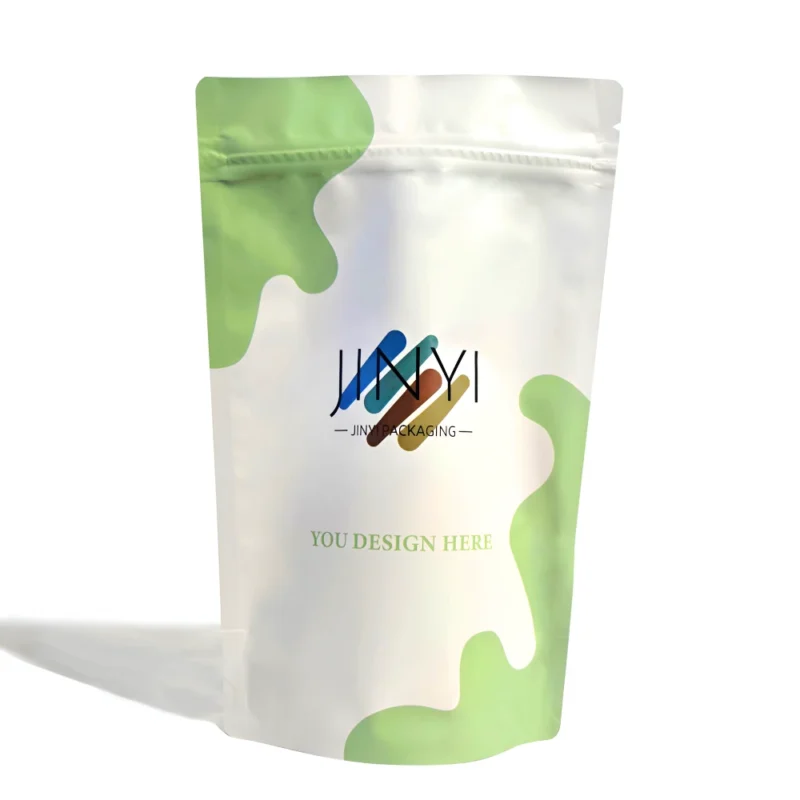
At the smaller end of the range — 2.5 lb to 7 lb — Royal Canin uses a stand-up pouch format. These bags stand upright on shelf via a bottom gusset, and Royal Canin specifies resealable zippers as standard on these smaller sizes — a practical feature that reflects their understanding of how the product is consumed. A 2.5 lb bag for a small breed dog may last two to three weeks after opening; a resealable closure maintains product freshness and aroma through repeated openings. The stand-up pouch format at these weights also provides a wide, flat front panel — enough space to carry the breed image, the Royal Canin logotype, the size and age classification, and the key nutritional claims without the design feeling crowded.
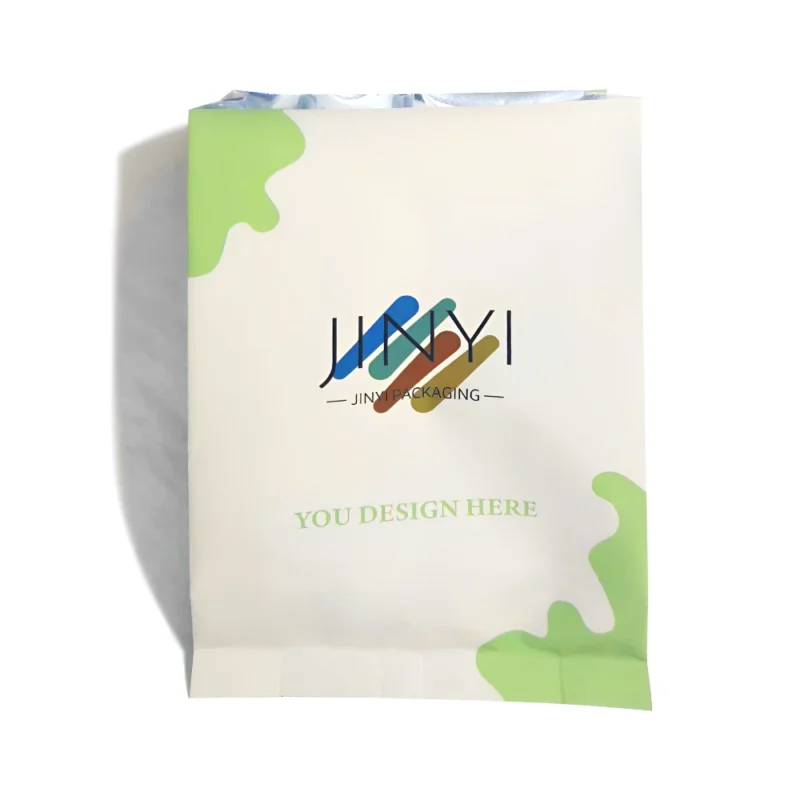
In the mid-range — 13 lb to 17 lb — the format transitions to a flat-bottom bag (also called a box-bottom or quad-seal bag). The structured flat base provides significantly better shelf stability at this fill weight than a stand-up pouch, and the four sealed side panels give the brand more printable surface for the additional compliance labelling — feeding guidelines, nutritional analysis, ingredient lists — that a mid-size SKU requires. At 13 lb and above, the flat-bottom bag is the standard format for premium pet food brands precisely because it maintains its shape and visual presence through the full consumption cycle, whether the bag is full or three-quarters empty.
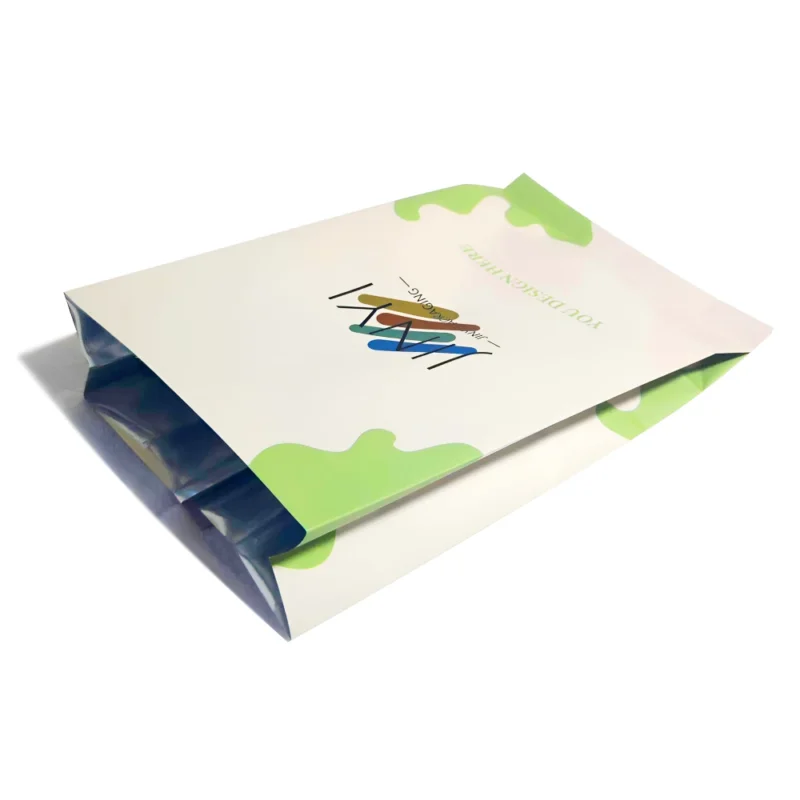
For their larger format SKUs — 22 lb to 30 lb and above — Royal Canin uses a side gusset bag or large-format quad-seal structure. At these fill weights, the bag’s primary job shifts from shelf presence to logistics performance: it must handle high-speed filling, resist puncture during pallet transport, and stack efficiently in distribution cartons without shifting or collapsing. The side gusset construction distributes fill weight laterally across both sides of the bag rather than concentrating it at the bottom seal, which is why this format is the standard for large commercial pet food volumes.
| SKU Weight |
Bag Format |
Key Feature |
Primary Channel |
| 2.5 lb – 7 lb |
Stand-up pouch |
Resealable zipper standard on small sizes |
Vet clinics, pet specialty, DTC |
| 13 lb – 17 lb |
Flat-bottom bag |
Structured base, wide print area, shelf stability |
Pet specialty, grocery, Amazon |
| 22 lb – 30 lb+ |
Side gusset / quad-seal |
High fill volume, pallet logistics, puncture resistance |
Mass retail, club stores, wholesale |
Tip: If you are launching a pet food brand and choosing your primary SKU format, the 1 kg to 1.5 kg fill weight range (roughly 2.5 lb to 3.5 lb) is where the stand-up pouch performs best. It provides strong shelf presence, ships efficiently, and at this weight range the resealable zipper adds meaningful practical value for the end consumer. Move to a flat-bottom format as your primary SKU weight increases toward 5 kg and above.
Cat Food Bag Formats — A More Concentrated Range
Royal Canin’s dry cat food range operates within a tighter weight band than their dog food line — primarily 3 lb, 6.6 lb, 8.8 lb, and 15 lb SKUs. Cat food consumption volumes per household are generally lower than dog food, which means the ultra-large format bags that appear in the dog food range are less common in cat food. The 3 lb and 6.6 lb SKUs use stand-up pouches with resealable zippers. The 8.8 lb and 15 lb SKUs transition to flat-bottom bags where the wider base and additional print area accommodate the fuller nutritional compliance labelling these sizes require.
Royal Canin’s cat food range includes a significant veterinary diet product line — urinary care, digestive sensitivity, renal support, weight management, and hypoallergenic formulas — all sold exclusively through veterinary clinics. These SKUs carry the same white packaging design as the retail range, but the veterinary diet branding is more prominent, and the packaging often carries additional medical compliance text that occupies more of the available panel space. The veterinary diet bags are typically smaller — 3 lb to 8.8 lb — reflecting the fact that these are therapeutic diets prescribed in controlled quantities rather than everyday feeding volumes.
| Product Line |
Dog Food |
Cat Food |
| Small SKU |
2.5 lb – 7 lb stand-up pouch |
3 lb – 6.6 lb stand-up pouch |
| Mid retail SKU |
13 lb – 17 lb flat-bottom bag |
8.8 lb – 15 lb flat-bottom bag |
| Large / bulk SKU |
22 lb – 30 lb+ side gusset |
Rarely exceeds 15 lb in retail |
| Resealable zipper |
Standard on small bags |
Standard on small bags |
| Vet diet line |
Available — vet clinic exclusive |
Extensive — vet clinic exclusive |
Note: For pet food brands launching a veterinary or therapeutic diet product line, the packaging brief needs to accommodate significantly more compliance text than a standard retail SKU — ingredient lists, feeding guidelines by weight and condition, veterinary recommendation language, and regulatory warnings. Plan your panel layout with this text load in mind before finalising your bag format and size.
Film Structure — The White Bag and What’s Inside It
Royal Canin’s dry food bags are opaque — the white surface conceals the contents entirely, which is a deliberate choice. Transparent windows or clear panels are common in premium pet food packaging because they allow the consumer to see the kibble shape and colour. Royal Canin does not use them on their main retail line. The white opaque surface is part of the brand language, and the film structure behind that surface is designed to support the shelf life requirements of a brand with global retail distribution — in some markets, bags may sit in distribution warehouses for weeks or months before reaching the consumer.
The film structure across Royal Canin’s dry food bags is a multi-layer laminate with a metallised barrier layer — primarily a PET / VMPET / PE construction. The outer PET layer provides the white print substrate — the white colour is applied as a full-coverage ink base coat on the inner surface of the PET before lamination, not a white film. The metallised PET (VMPET) middle layer provides the barrier performance against oxygen, moisture, and light. The inner PE layer provides the heat-seal surface and food-contact safety. This three-layer structure delivers an OTR of approximately 0.5 to 1.5 cc/m²/day — sufficient for a 12 to 18 month shelf life under standard retail storage conditions for dry kibble.
For their veterinary diet product line — particularly high-fat therapeutic formulas for renal, hepatic, or digestive conditions — the film specification may include an aluminium foil middle layer rather than metallised film, providing near-zero OTR for products where fat oxidation risk is higher and shelf life requirements are more stringent. The outer print and inner seal layers remain consistent with the retail range, maintaining the same white surface appearance across both product lines.
| Film Structure |
OTR |
Shelf Life (Dry Kibble) |
Best For |
| PET / VMPET / PE |
0.5–1.5 cc/m²/day |
12–18 months |
Standard retail dry kibble |
| PET / AL / PE |
~0.01 cc/m²/day |
18–24 months |
High-fat vet diets, long distribution chains |
| PET / AL / NY / PE |
~0.01 cc/m²/day |
18–24 months |
Large format bags requiring higher puncture resistance |
Tip: White pet food packaging requires a white ink base coat applied to the inner surface of the PET outer layer before lamination. This base coat is what produces the clean, bright white you see on the finished bag — the aluminium or VMPET layer beneath reflects the white back through the transparent PET. If your packaging supplier cannot explain exactly how your white print is achieved on your specified substrate, ask them to walk through the print process step by step before confirming your order.
Royal Canin’s Sustainability Packaging Challenge
Royal Canin has been unusually transparent about the sustainability challenge their dry food packaging presents. Unlike many brands that make general sustainability commitments without addressing the specific technical obstacles, Royal Canin has acknowledged directly that they have not yet found a recyclable flexible packaging solution that meets their food quality and shelf life requirements. Their position, stated publicly, is that they will not compromise on food safety or nutritional integrity to achieve recyclability — but they are actively working toward a solution.
In the interim, Royal Canin has partnered with TerraCycle to establish packaging take-back collection points at veterinary clinics and pet specialty retailers across markets where standard recycling infrastructure cannot process their bags. This approach closes the loop on packaging disposal without requiring a change in the film specification that would compromise product performance. It is a practical solution to a genuine technical problem — and it reflects the same nutrient-first, science-based approach that defines their product development.

The contrast between Royal Canin’s approach and Purina Pro Plan’s QUADFLEX® Recyclable solution is instructive. Purina — through their partnership with ProAmpac — has already transitioned their Veterinary Diets line to a recyclable mono-material PE structure. Royal Canin has not yet made that transition. Both are global leaders with extensive resources. The difference is not capability — it is a different set of specifications for what “acceptable barrier performance” means for their specific product range. For pet food brands building a packaging brief today, this contrast illustrates that there is no single correct answer to the sustainability question in flexible packaging. The right answer depends on your product’s specific barrier requirements, your target shelf life, and your distribution chain.
| Brand |
Sustainability Approach |
Status |
| Royal Canin |
TerraCycle take-back at vet clinics and pet retailers |
Active — recyclable film still in development |
| Purina Pro Plan |
QUADFLEX® Recyclable mono-material PE (ProAmpac) |
Launched — Vet Diets line, expanding |
Note: For pet food brands with a 3 to 5 year retail horizon, packaging recyclability is becoming a condition of shelf placement in major retail chains — not a differentiator. Building recyclability into your packaging brief now, at the specification stage, is significantly less disruptive than retrofitting it later when retail buyers make it a requirement. Ask your packaging supplier about recyclable film options that meet your specific barrier and shelf life requirements from the outset.
What Royal Canin’s Packaging Tells Pet Food Brands — And How to Source Factory-Direct
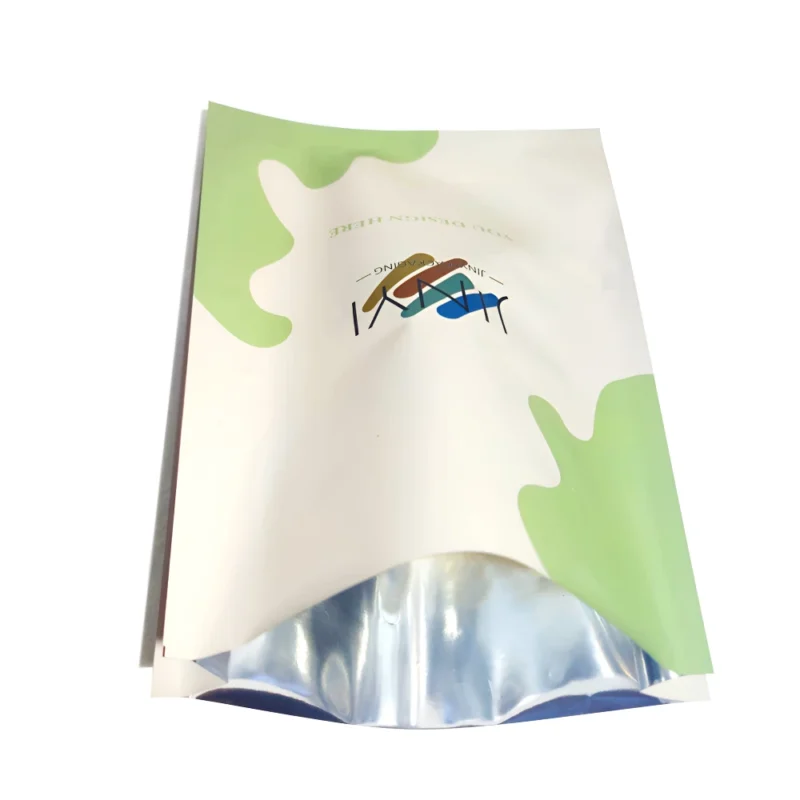
The formats Royal Canin uses across their dog and cat food range — stand-up pouches, flat-bottom bags, side gusset bags — are standard flexible packaging production formats available to any brand at any volume. The white design, the resealable zippers, the PET/VMPET/PE film structure — none of these are proprietary. What Royal Canin’s portfolio demonstrates is a packaging decision framework that scales: match the bag format to the fill weight, specify the barrier level to the product’s shelf life requirement, and build in the functional components (resealable zipper, tear notch) that the end consumer’s usage pattern requires.
At JINYI, the full range of pet food packaging formats is available factory-direct — stand-up pouches, flat-bottom bags, and side gusset bags in PET/VMPET/PE or PET/AL/PE structures, from 500 units via HP digital print with no plate fee. White base coat printing is available as standard. Resealable zippers are installed inline during bag making. Every order includes a full material specification document — OTR, MVTR, film layer breakdown, and food-contact certifications — which you can provide to retail buyers, veterinary partners, or co-manufacturers who require verification of your packaging spec. To understand the full production process behind the bags you order, our complete guide to how custom stand-up pouches are made covers every manufacturing stage in detail.
For a comprehensive overview of pet food packaging options by product type, bag format, and barrier specification, our pet food packaging solutions page covers the full range available for dog food, cat food, treats, and supplements. If you want to see how other brands in the pet food category have approached comparable packaging decisions, our breakdown of Purina Pro Plan’s packaging covers a different brand’s format and film strategy across a comparable product range. For brands in Asia-Pacific markets — particularly Japan — our guide to custom pet food packaging for the Japanese market covers the specific format, print, and compliance requirements that apply.
| Spec |
Platform / Intermediary |
JINYI Direct Factory |
| MOQ |
1,000–3,000 units typical |
From 500 units (digital print) |
| White base coat |
Confirm per supplier |
Standard — applied before lamination |
| Resealable zipper |
Optional add-on |
Available — installed inline during bag making |
| Material spec document |
Rarely provided as standard |
Included with every order |
| Scale path |
Platform pricing, limited flexibility |
Digital → gravure at volume, unit cost drops |
Get a Factory-Direct Quote for Your Pet Food Packaging
Tell us your bag format, fill weight, target shelf life, and quantity. We will come back within 24 hours with a full specification recommendation, material documentation, and factory-direct pricing.
Request a Pet Food Packaging Quote →
About JINYI
JINYI is a source factory for custom flexible packaging with 15+ years of production experience, serving food, supplement, coffee, pet food, and consumer goods brands across 150+ countries. We produce stand-up pouches, flat-bottom bags, and side gusset bags in PET/VMPET/PE, PET/AL/PE, and other barrier specifications — via HP Indigo digital print from 500 units and gravure printing at volume.
Every client receives full material specification documentation with their order as standard. That is what From Film to Finished — Done Right means in practice.

Elsa
Business Development Manager · JINYI Packaging
Elsa leads business development and customer order management at JINYI. With 8 years in foreign trade across Yiwu and Dongguan, she has a sharp understanding of market demand and what buyers actually need — turning real customer insight into the right packaging decisions.
Customer needs
Order management
Business development
Frequently Asked Questions
What bag format does Royal Canin use for dry dog food?
Royal Canin uses stand-up pouches with resealable zippers for their smaller retail SKUs (2.5 lb to 7 lb), flat-bottom bags for their mid-range SKUs (13 lb to 17 lb), and side gusset or large-format quad-seal bags for their high-volume SKUs (22 lb and above). The format transitions are driven by fill weight, shelf stability requirements, and logistics performance at each size point.
What film material is Royal Canin packaging made from?
Royal Canin dry food bags use a PET/VMPET/PE multi-layer laminate — a polyester outer layer for the white print surface, a metallised polyester middle layer for barrier performance against oxygen and moisture, and a polyethylene inner layer for heat sealing and food contact. The white surface is produced by a white ink base coat applied to the inner face of the PET before lamination. High-fat veterinary diet formulas may use a PET/AL/PE structure with aluminium foil for higher barrier performance.
Is Royal Canin packaging recyclable?
Royal Canin’s dry food bags are not currently recyclable through standard household recycling. The brand has acknowledged publicly that they have not yet found a recyclable flexible packaging solution that meets their food quality and shelf life requirements. In the interim, they have partnered with TerraCycle to establish take-back collection points at veterinary clinics and pet retailers, allowing consumers to return used bags for recycling through TerraCycle’s specialist programme.
What is the difference between Royal Canin and Purina Pro Plan packaging?
Both brands use similar flexible packaging formats — stand-up pouches, flat-bottom bags, and side gusset bags — across comparable size ranges. The key difference is in their sustainability approach: Purina Pro Plan has already launched a recyclable mono-material PE bag (QUADFLEX® Recyclable) for their Veterinary Diets line, while Royal Canin is still working toward a recyclable solution that meets their barrier requirements. Both brands use white as their primary packaging colour, reflecting a science-based, veterinary-aligned brand positioning.
Can I get the same white pet food bag as Royal Canin factory-direct with low MOQ?
Yes. The white stand-up pouch, flat-bottom bag, and side gusset bag formats that Royal Canin uses are standard flexible packaging production specs available at JINYI from 500 units via HP digital print with no plate fee. White base coat printing, resealable zippers, and food-contact certified film structures are all available as standard. Full material specification documentation — OTR, MVTR, film layer breakdown, and food-contact certifications — is included with every order.